When it comes to home design, certain features once considered trendy can quickly become outdated eyesores. As tastes evolve and technology advances, some elements simply don’t stand the test of time. Here, I delve into eleven house features that are past their prime, offering insights on why they age poorly and what you might consider as alternatives.
Popcorn Ceilings
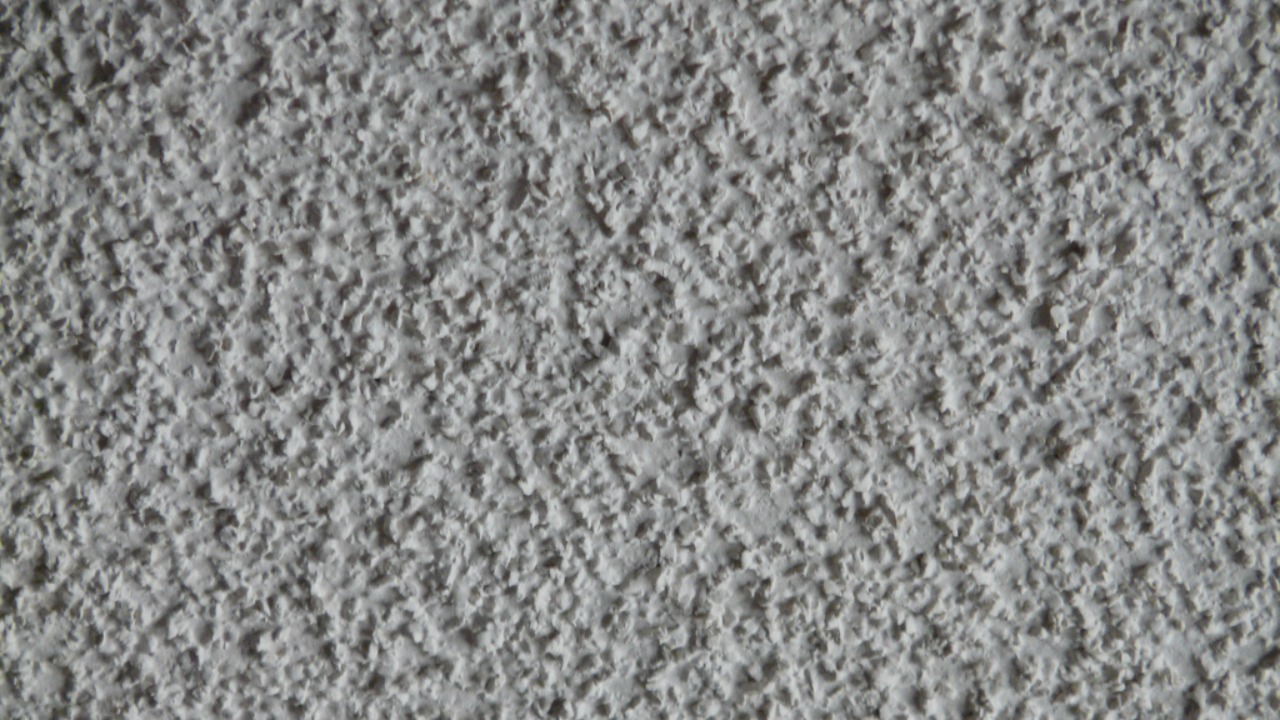
Popcorn ceilings, popular from the 1950s to the 1980s, were initially favored for their ability to hide imperfections and dampen sound. However, their rough texture can make a room feel dated and is difficult to clean, often collecting dust and cobwebs. Additionally, some older popcorn ceilings contain asbestos, a hazardous material. If you’re considering updating your home, removing or covering this outdated feature can significantly modernize your space.
Linoleum Flooring
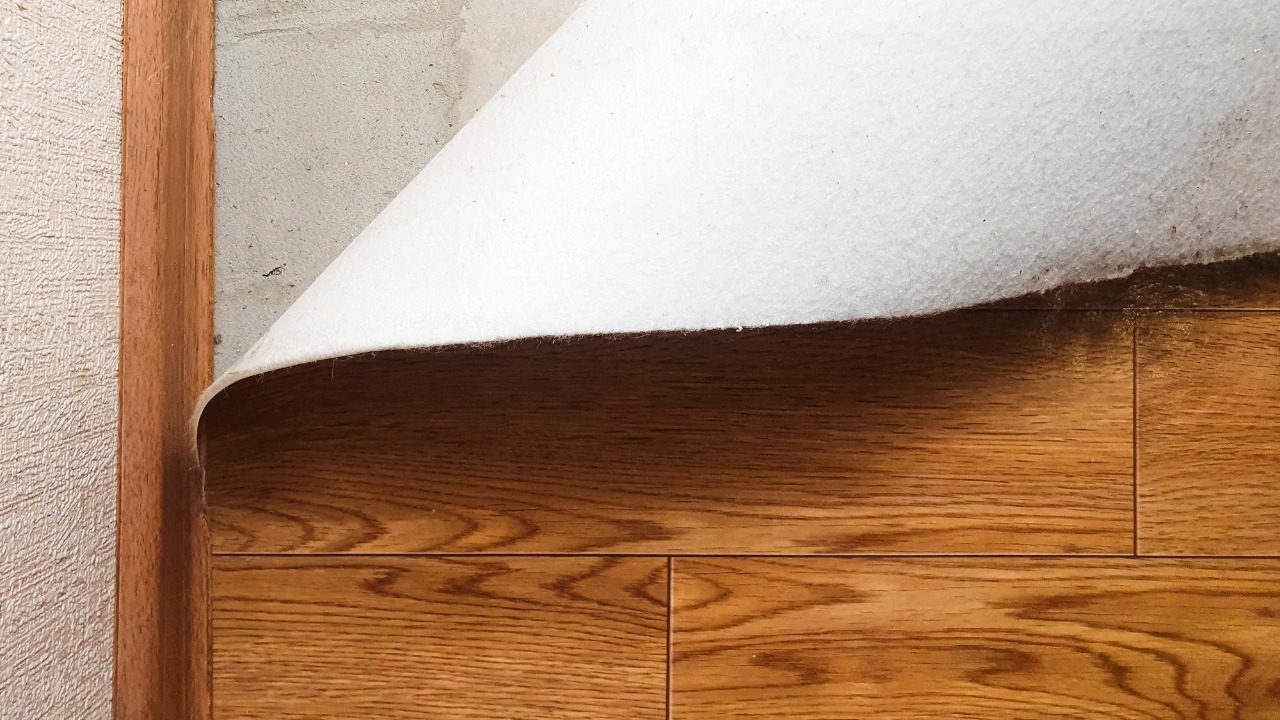
Linoleum flooring had a heyday in the mid-20th century, celebrated for its affordability and variety of colors. Over time, it tends to yellow and wear, losing its initial luster. While modern linoleum can be eco-friendly and durable, older versions often lack the appeal and quality of contemporary flooring options. Replacing it with hardwood or tile can instantly provide a fresh and lasting update.
Shag Carpeting
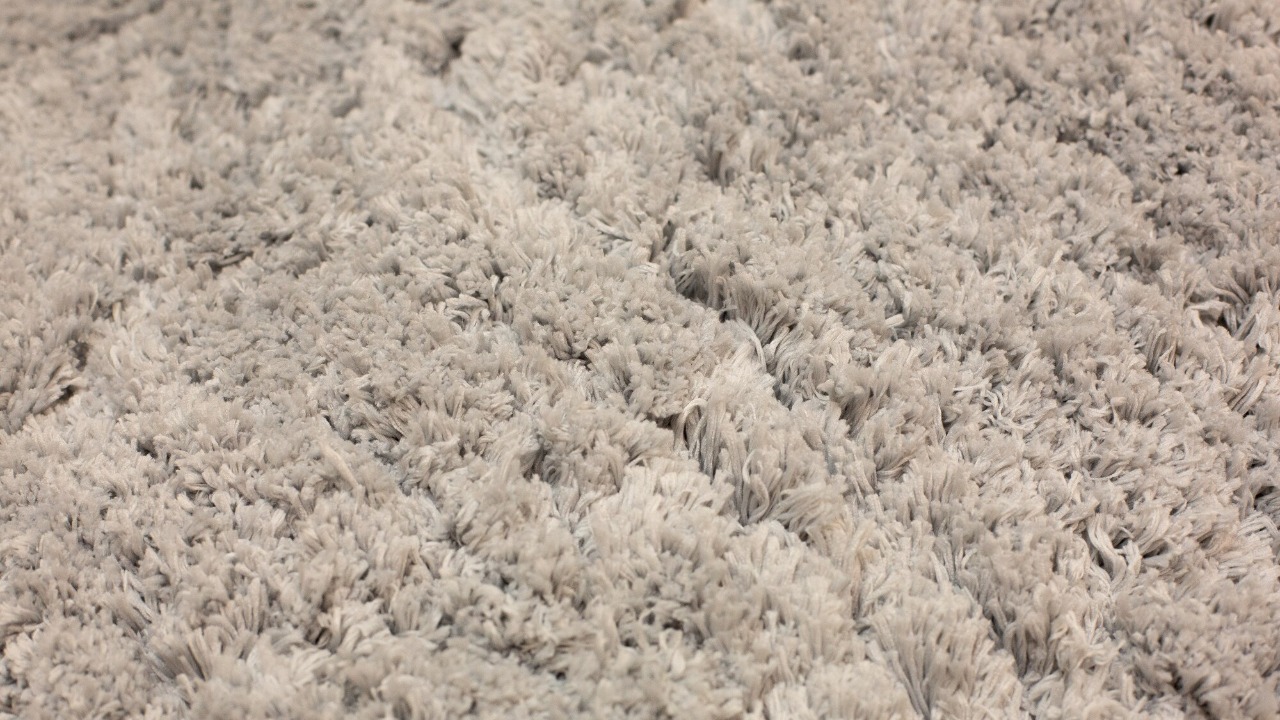
The plush texture of shag carpeting made it a staple of the 1970s, adding a sense of comfort and warmth to any room. Unfortunately, it is notorious for trapping dirt and allergens, making it less than ideal for those with allergies. Modern design favors cleaner lines and easier-to-maintain flooring options, suggesting that it might be time to roll up the shag and opt for something more practical and stylish.
Avocado Green Appliances
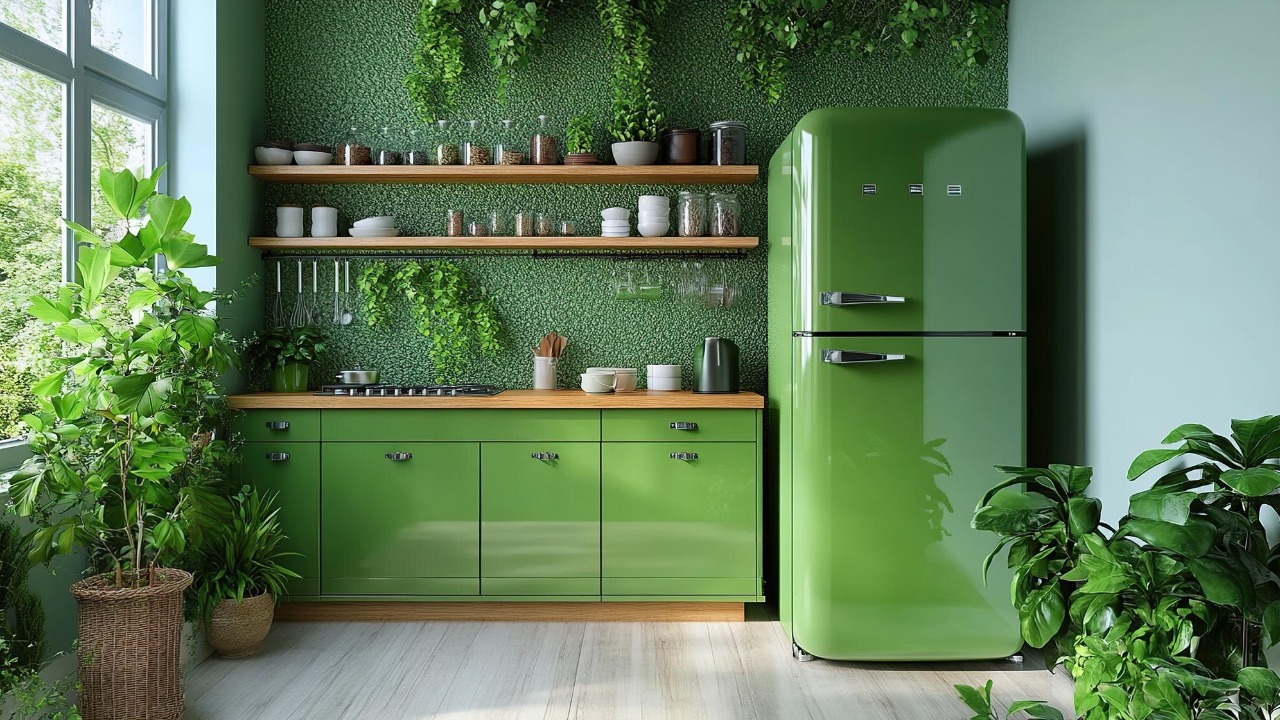
Avocado green appliances were once the epitome of a chic kitchen. However, this bold color choice now feels outdated and can detract from the overall aesthetic appeal of a home. While colored appliances are making a comeback, they often lean towards more neutral or subtle hues. Swapping out avocado green for stainless steel or integrated appliances can give your kitchen a more cohesive and timeless look.
Wood Paneling
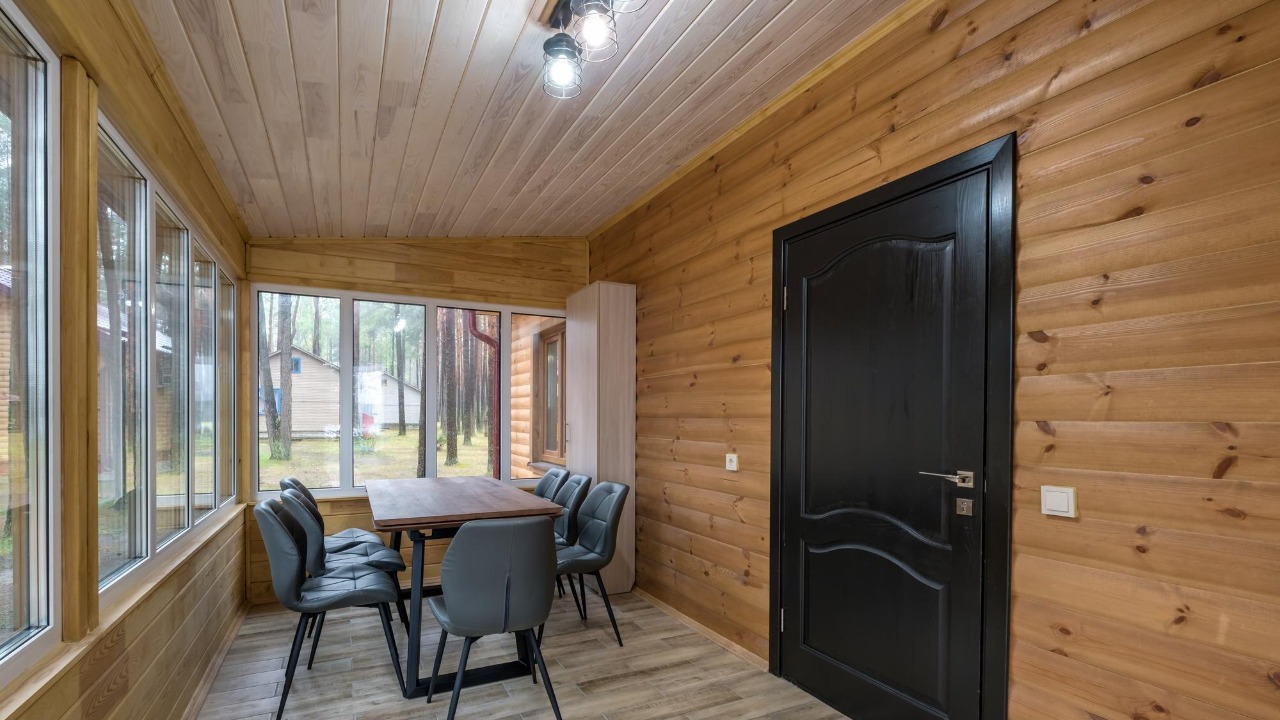
Wood paneling has a rustic charm that can evoke nostalgia for some, but it often makes spaces feel dark and closed-in. While it was a hit in the mid-20th century, most homeowners now prefer lighter, more open spaces. Painting over the paneling or replacing it with drywall can brighten and update a room, making it feel more welcoming.
Brass Fixtures
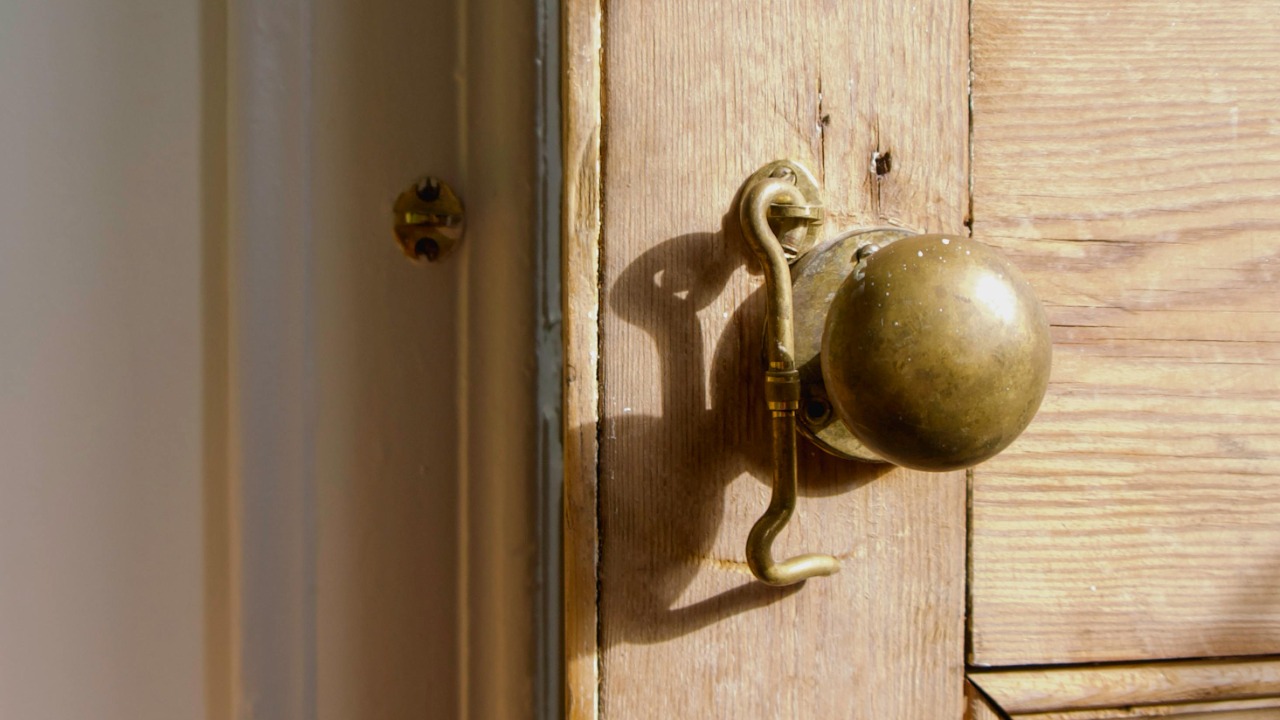
Once a staple of elegance in homes, brass fixtures have seen a decline in popularity due to their tendency to tarnish and date a space. While some modern updates of brass can look chic, the older, polished versions often clash with contemporary decor. Updating fixtures to more current finishes like brushed nickel or matte black can dramatically improve your home’s aesthetic.
Mirrored Walls
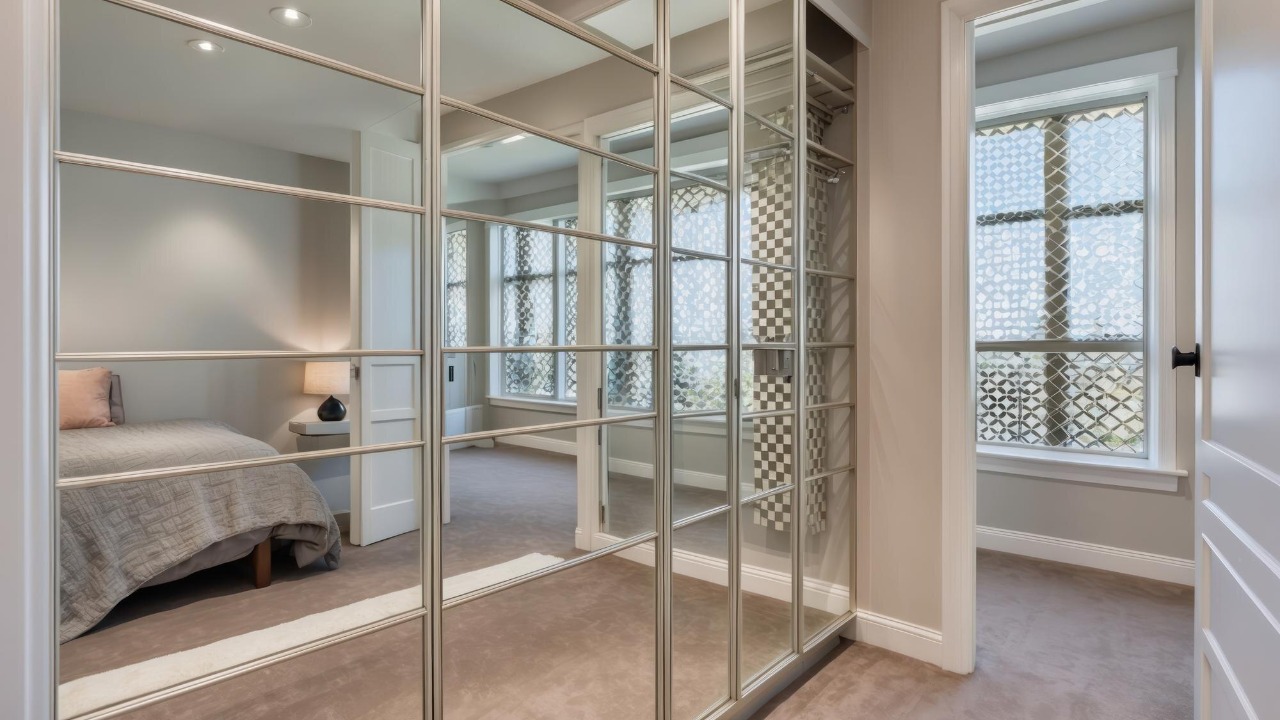
Mirrored walls were once a popular choice for making rooms appear larger and brighter. However, they can now feel imposing and outdated. They often require more maintenance to keep clean and can limit decorating options. For a modern alternative, consider using strategically placed mirrors or lighter paint colors to achieve similar effects without the dated look.
Wallpaper Borders
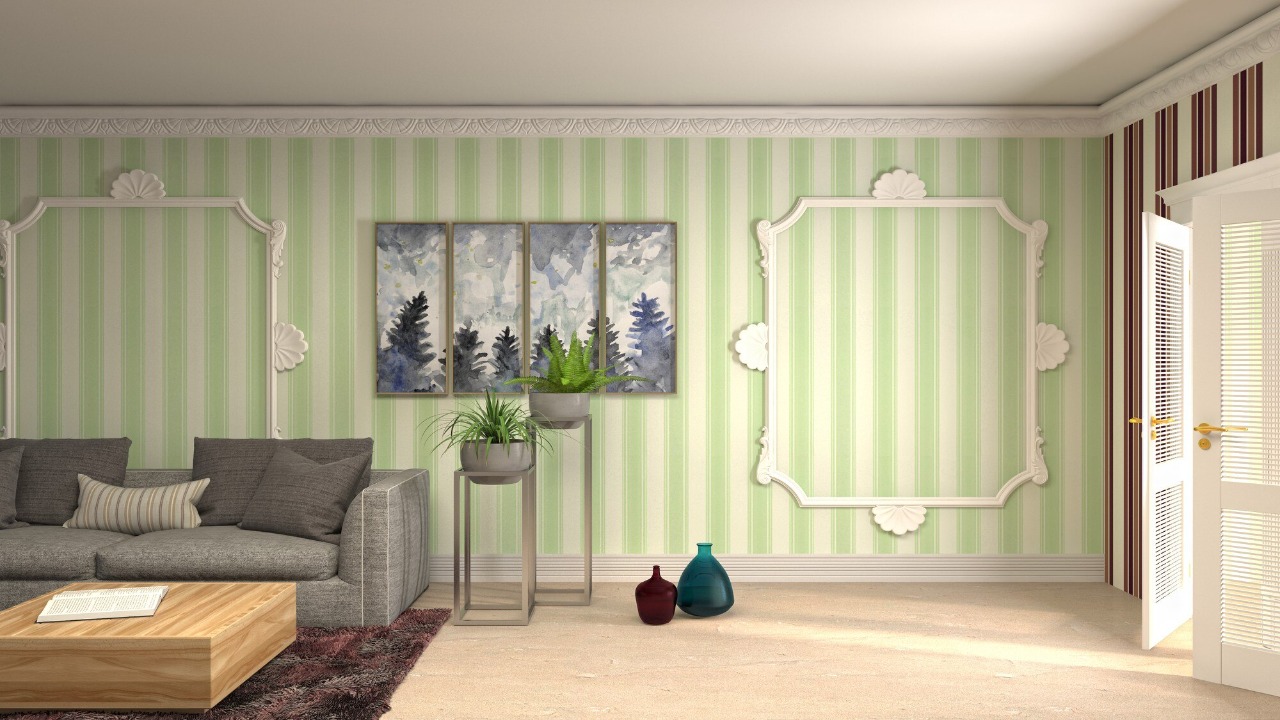
Wallpaper borders were a quick way to add personality to a room. However, they often make a space feel cluttered and are challenging to remove or update. As design trends move towards minimalism, removing wallpaper borders can simplify a room’s appearance. Opt for a fresh coat of paint or a simple accent wall for a modern update. Learn more about changing design trends and how they affect perceptions.
Fluorescent Lighting
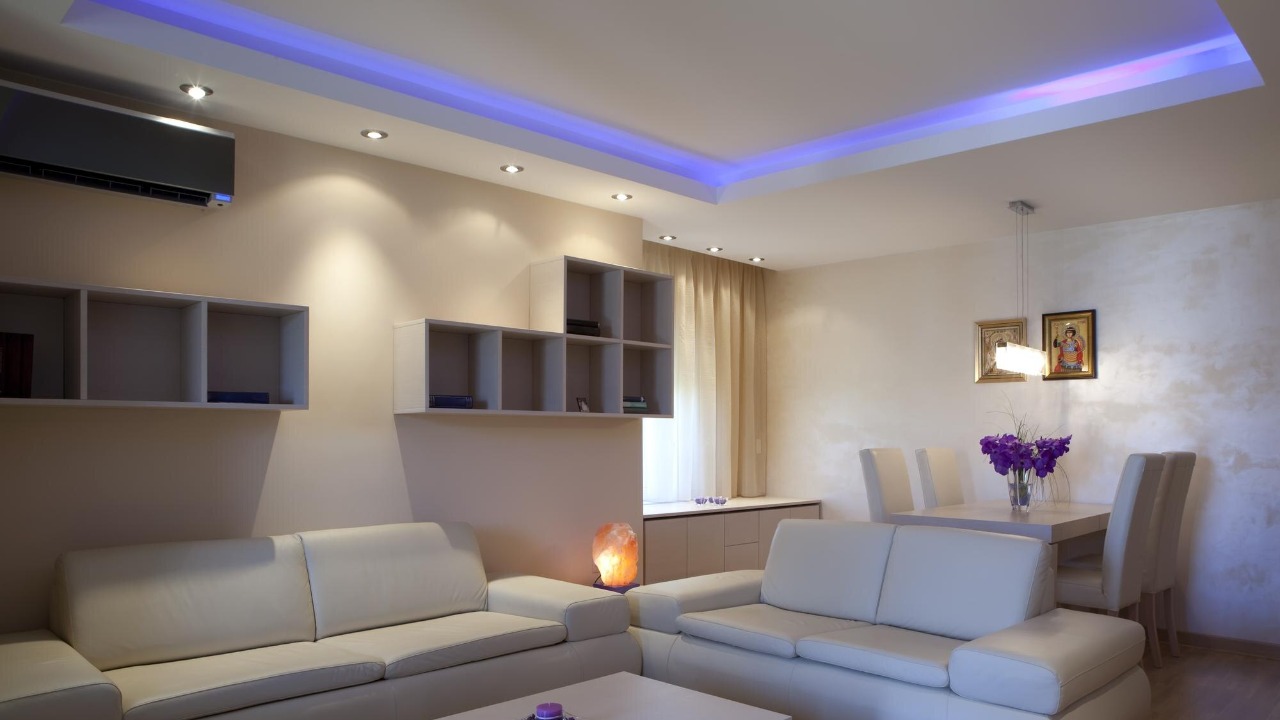
Fluorescent lighting was once prized for its efficiency and bright illumination. However, its harsh glare and unflattering color temperature have led many homeowners to switch to LED options. Modern LEDs offer energy savings, adjustable color temperatures, and longer lifespans, providing a more pleasant and flexible lighting solution.
Sunken Living Rooms

Sunken living rooms, or “conversation pits,” were a popular architectural feature in the 1960s and 70s. While they can add interest to a space, they also create safety hazards and accessibility issues. Many homeowners now opt to level these areas, making the space more versatile and safer for all ages. Consider the implications of architectural changes on different age groups.
Built-in Media Niches
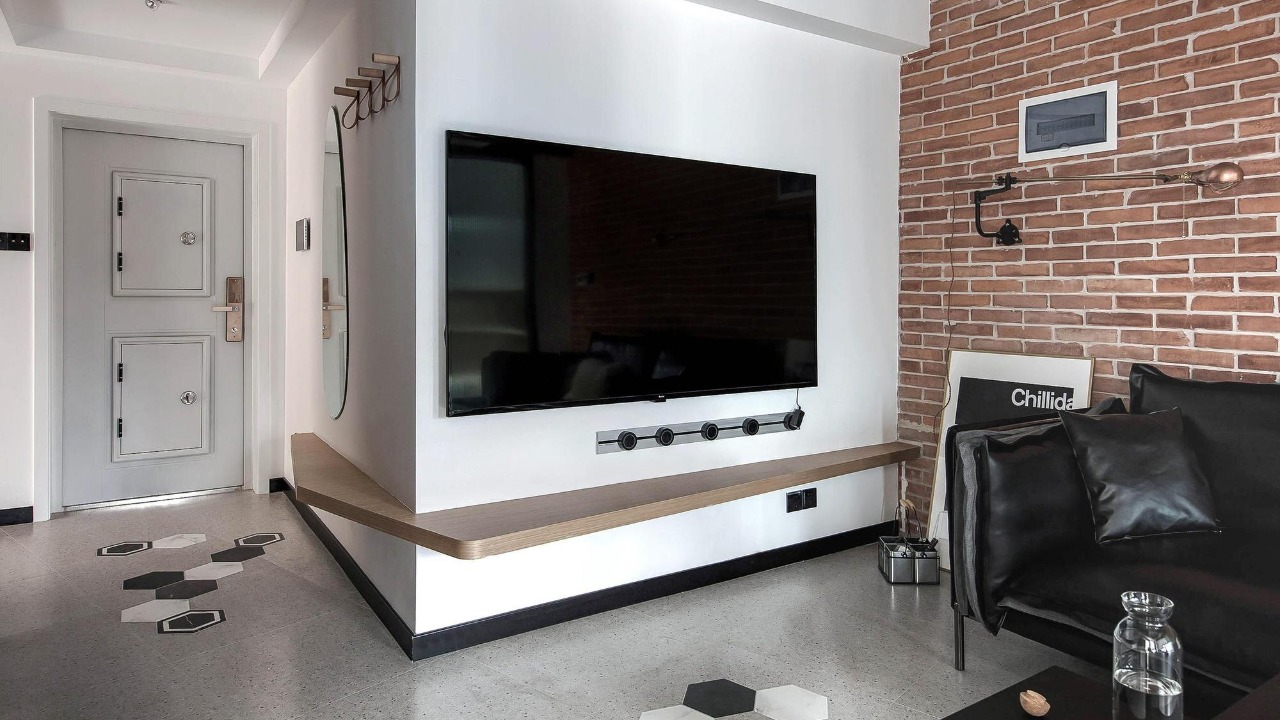
Built-in media niches were once a must-have for families with bulky entertainment systems. However, as technology has advanced and TVs have become slimmer, these niches often feel like wasted space. Removing or repurposing them can open up a room, allowing for greater flexibility in furniture arrangement. For more on outdated home trends, check out this article.

Elias Broderick specializes in residential and commercial real estate, with a focus on market cycles, property fundamentals, and investment strategy. His writing translates complex housing and development trends into clear insights for both new and experienced investors. At The Daily Overview, Elias explores how real estate fits into long-term wealth planning.