
Stamp collecting, or philately, has fascinated enthusiasts for generations. Among the countless stamps available, there are a select few that ignite fierce bidding wars due to their rarity and historical significance. Let’s explore some of the rarest stamps that continue to captivate collectors worldwide.
The British Guiana 1c Magenta
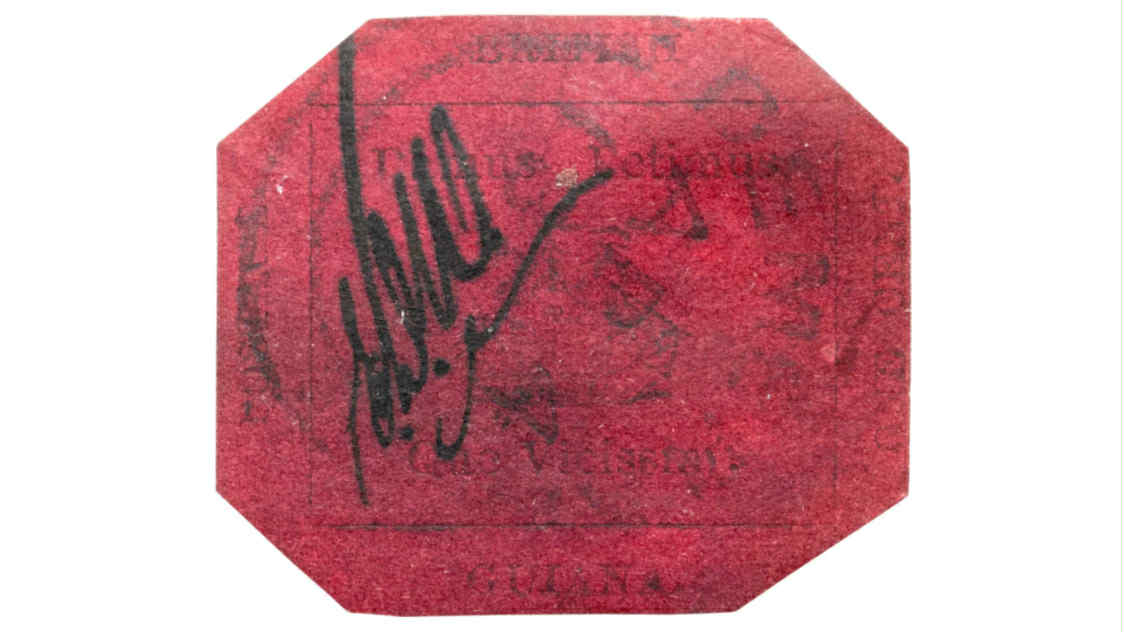
The British Guiana 1c Magenta is often considered the holy grail of stamp collecting. Issued in 1856, this stamp was printed on magenta paper due to a temporary shortage of the usual stock. Only one example is known to exist today, which significantly boosts its value. Recently, it was sold for a staggering $9.5 million, making it the most expensive stamp in history.
This stamp is unique not just for its rarity but also for its storied provenance. It has passed through numerous famous collections, each time fetching record sums at auction. The history of this stamp continues to intrigue collectors and investors alike.
The Treskilling Yellow
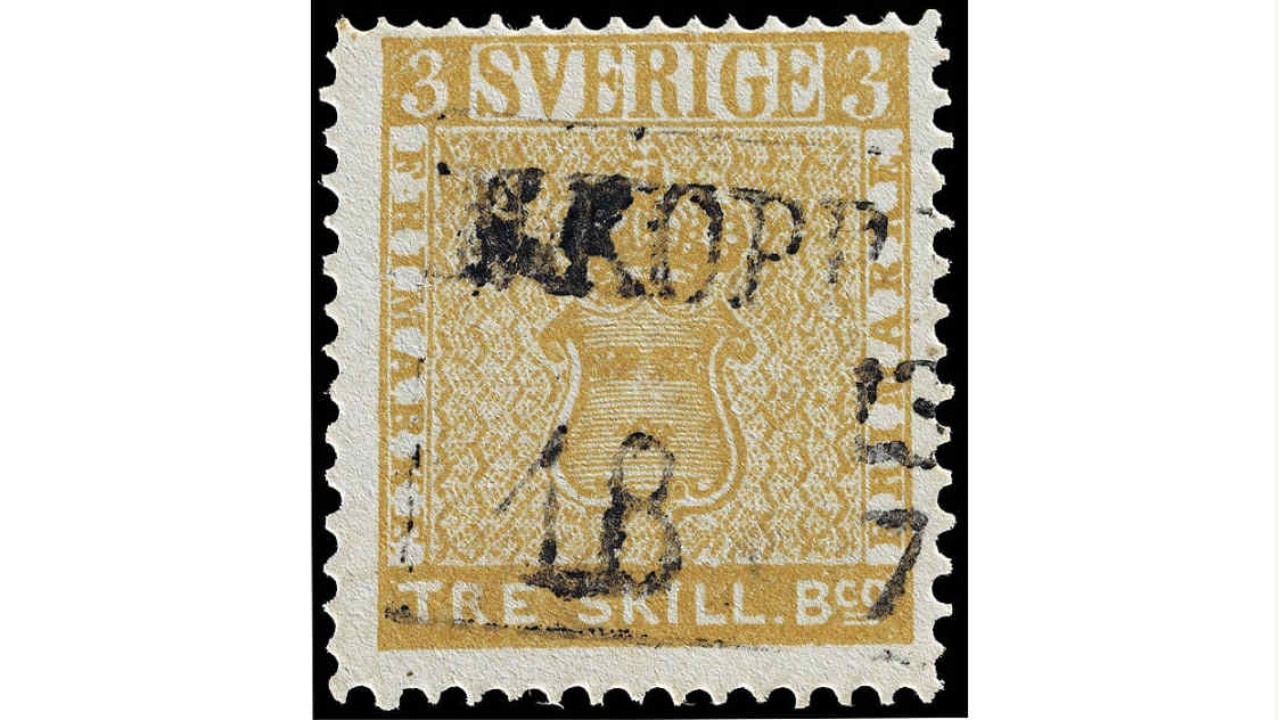
The Treskilling Yellow is another stamp that stands at the pinnacle of philatelic interest. Issued by Sweden in 1855, it was mistakenly printed in yellow instead of the standard green. This error resulted in only one known surviving example, making it incredibly valuable.
Its rarity is compounded by the fact that the stamp was discovered by a schoolboy in 1885. Since then, it has changed hands multiple times, each sale increasing its legendary status in the stamp community. The story of the Treskilling Yellow is as captivating as the stamp itself.
The Inverted Jenny
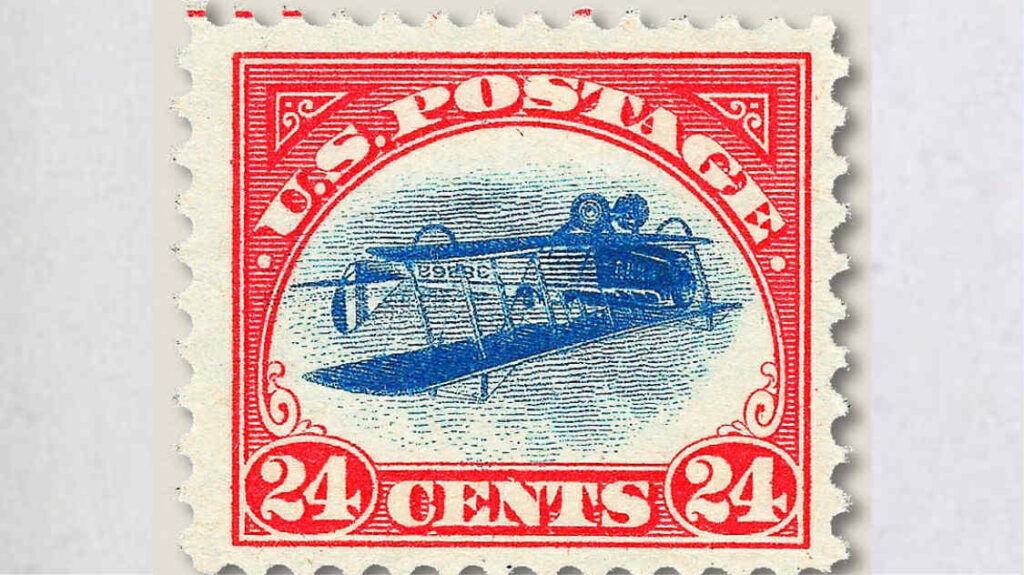
The Inverted Jenny is perhaps one of the most famous error stamps in U.S. philately. Printed in 1918, this airmail stamp features a Curtiss JN-4 airplane mistakenly printed upside down. Only 100 of these errors were released, and they have become a symbol of collecting prestige.
Collectors and historians are mesmerized by the Inverted Jenny not just for its unique error but for its iconic status in American culture. The demand for this stamp remains strong, with each example fetching high prices at auction.
The Penny Black
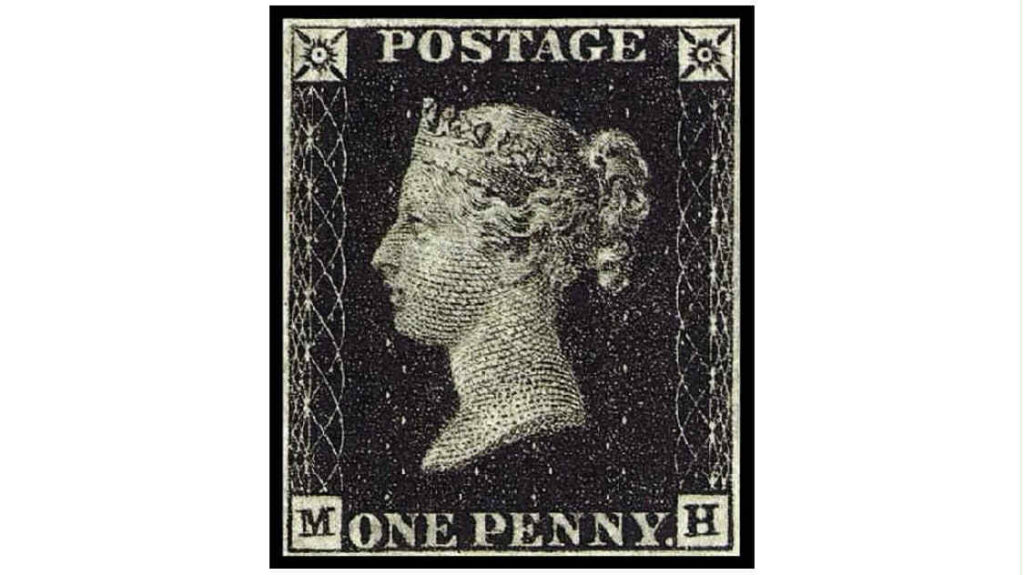
The Penny Black holds the distinction of being the world’s first adhesive postage stamp, issued by Great Britain in 1840. While it’s not as rare as some other stamps on this list, its historical significance makes it highly sought after by collectors.
Featuring a profile of Queen Victoria, the Penny Black revolutionized communication and postal services. Its introduction marked the beginning of an era, and collectors treasure it for its pioneering role in stamp history.
The Hawaiian Missionaries
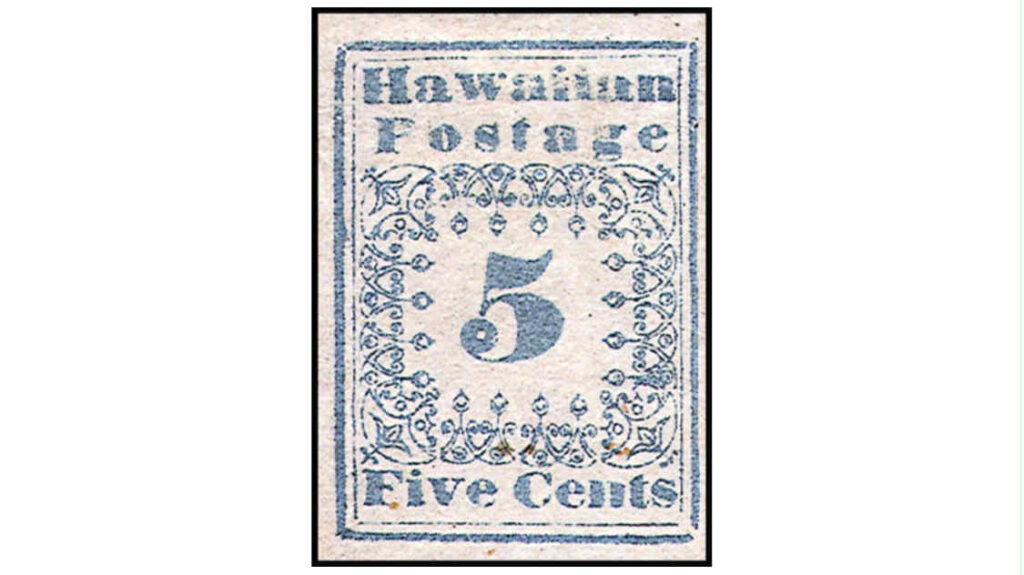
Issued in 1851, the Hawaiian Missionaries are among the rarest and most valuable stamps in the world. Named for their primary users, the missionary community, these stamps were printed in small quantities, making them highly collectible.
Their rarity is matched by their historical importance, as they are some of the earliest stamps from the Hawaiian Islands. A complete set of these stamps is a prized possession for any serious collector.
The Mauritius “Post Office” Stamps
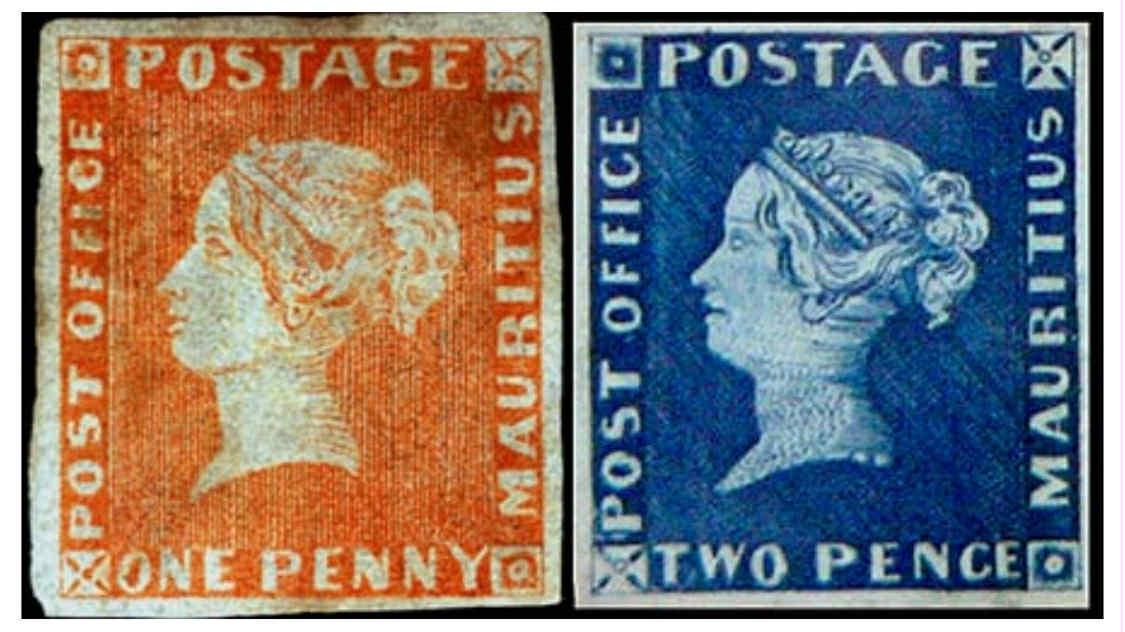
Issued in 1847, the Mauritius “Post Office” stamps are legendary among philatelists. Only a few of these stamps, which were the first British Empire issues outside Great Britain, are known to exist today.
These stamps are famous for a printing error where the words “Post Office” were used instead of “Post Paid.” This mistake has made them incredibly valuable, fetching millions of dollars at auction. The tale of these stamps continues to captivate collectors and historians alike.
The Basel Dove
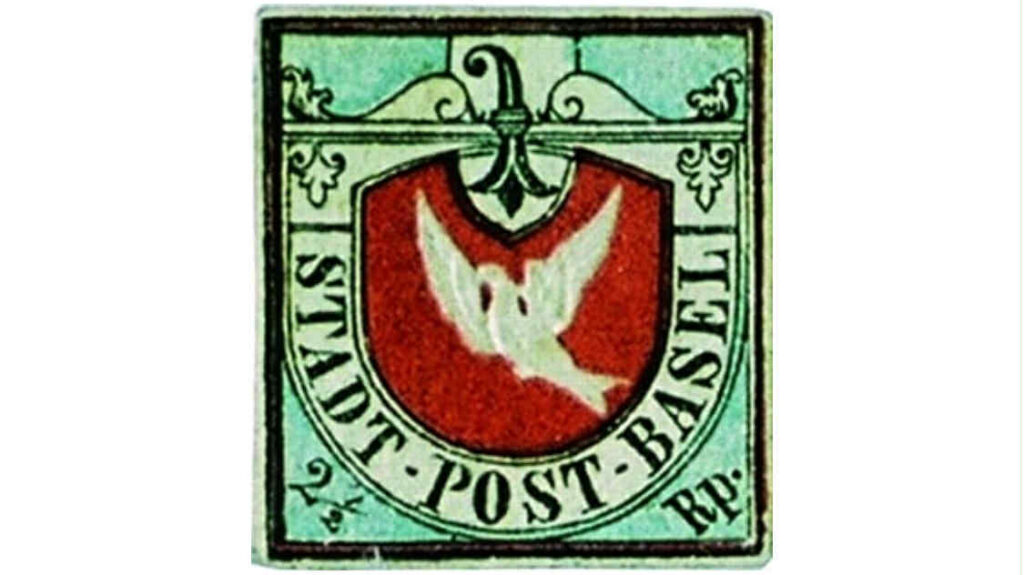
The Basel Dove, issued in 1845, is Switzerland’s first stamp and is renowned for its intricate design featuring a white dove carrying a letter. It was printed in three colors, which was a significant achievement at the time.
This stamp is not only a piece of postal history but also a work of art, making it highly desirable among collectors. Its historical and aesthetic value ensures its place among the most sought-after stamps.
The Tyrian Plum
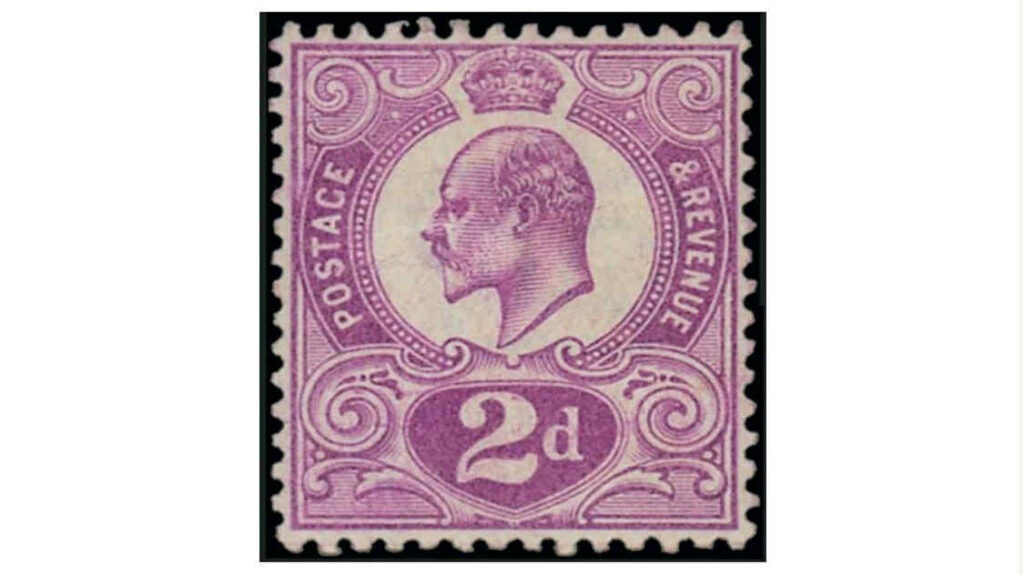
The Tyrian Plum is a British stamp that never officially went into circulation. Intended for release in 1910, it was pulled following the death of King Edward VII. Only a few examples exist, making it extraordinarily rare.
Collectors prize this stamp for its unique color and the story behind its non-issuance. The Tyrian Plum remains a fascinating piece of philatelic history.
The Z-Grill

The Z-Grill is a unique 1868 U.S. postage stamp featuring a distinctive grill pattern designed to prevent stamp reuse. Only two known examples exist, making it one of the rarest stamps in American philately.
This stamp’s rarity and the technological innovation it represents make it a coveted item among collectors. The Z-Grill’s scarcity ensures its place as a centerpiece in any collection.
The Sicilian Error of Color
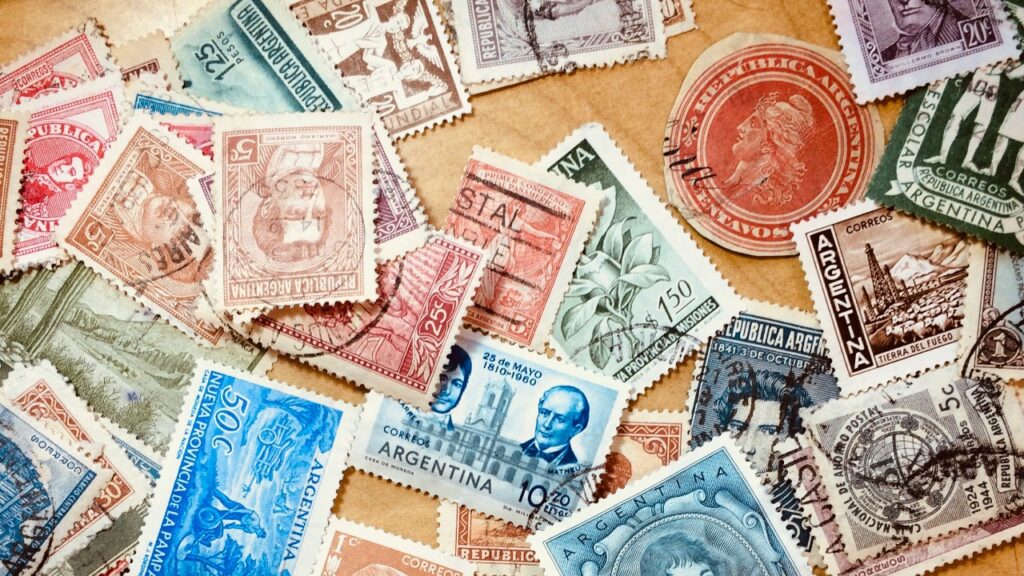
Issued in 1859, the Sicilian Error of Color is a rare Italian stamp mistakenly printed in the wrong color. Only a few examples of this error exist, making it a highly prized item in the philatelic world.
The unique story of this stamp and its rarity make it a fascinating acquisition for collectors seeking to add a piece of Italian postal history to their collection.
The China “Red Revenue” Surcharges
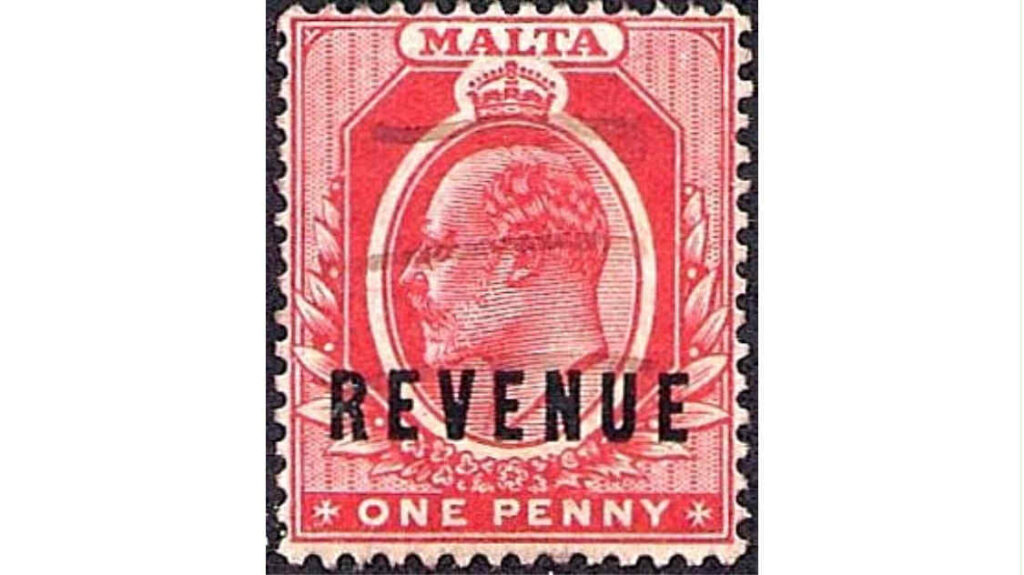
Originally issued as revenue stamps in 1897, the Red Revenue stamps were later surcharged for postal use. The rarest among them is the “Small One Dollar” surcharge, with only a few known examples.
These stamps are highly sought after for their historical significance and rarity. Collectors value them as a testament to a unique period in Chinese postal history. For more on rare stamps, check out the study of philatelic rarities.

Cole Whitaker focuses on the fundamentals of money management, helping readers make smarter decisions around income, spending, saving, and long-term financial stability. His writing emphasizes clarity, discipline, and practical systems that work in real life. At The Daily Overview, Cole breaks down personal finance topics into straightforward guidance readers can apply immediately.

