
As the automotive market adapts to new realities, a variety of factors are hinting at a potential decline in car prices. From technological advancements to global economic shifts, each element plays a crucial role in shaping this emerging trend. Here’s a look at 12 reasons why economists are predicting a downturn in car prices.
Supply Chain Improvements

One of the primary reasons for potential decreases in car prices is the improvement in supply chains. During the pandemic, disruptions in shipping, manufacturing, and materials led to a significant backlog in vehicle production. However, recent gains in logistics efficiency are helping manufacturers catch up with demand.
This recovery enables more vehicles to reach dealerships, which in turn could lead to a surplus in inventory. A higher supply of cars typically necessitates price adjustments to move stock. As bottlenecks clear, consumers may see more competitive pricing, especially in popular models like the Honda Civic and Ford F-150.
Increased Vehicle Production
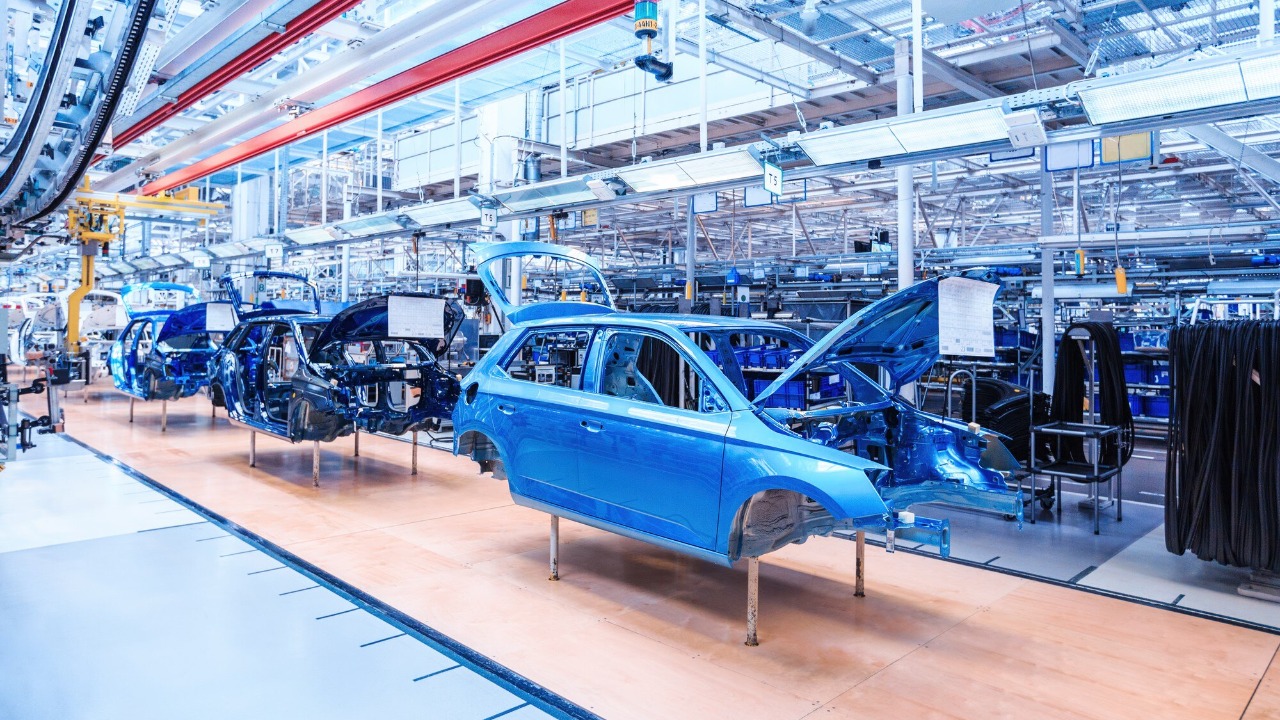
Automakers ramping up production is another key factor. Companies like Toyota and Volkswagen are investing heavily in their manufacturing capabilities. By expanding factory output and implementing new technologies, more vehicles are entering the market, which could lead to lower prices.
With the introduction of new models and the continuous rollout of supply, it’s likely that prices will become more competitive. More production means more choice for consumers, and with increased competition among manufacturers, prices could trend downward to capture market share.
Declining Consumer Demand

Consumer demand is showing signs of softening, which is another reason economists predict a price drop. Many potential buyers are postponing purchases, either due to economic uncertainty or waiting for newer, more advanced models.
With fewer people actively purchasing vehicles, dealers may need to reduce prices to stimulate sales. This is particularly true in segments where oversupply is evident, such as sedans and compact cars. As demand wanes, expect more aggressive marketing and financing offers to entice buyers back into the market.
Rising Interest Rates

The rise in interest rates is a double-edged sword for the automotive industry. On one hand, higher rates reduce the affordability of auto loans, deterring potential buyers. On the other hand, this could lead to a price adjustment as dealers strive to maintain their sales volumes.
As borrowing costs increase, fewer consumers can justify the expense of a new vehicle, particularly those in the mid-range to luxury segments. This reduced purchasing power might force manufacturers and dealers to lower prices to keep sales from plummeting.
Inflationary Pressures

Inflation affects every sector, including automotive. While inflation generally drives prices up, its indirect effects can lead to reduced demand and ultimately price corrections. Consumers facing higher costs for essentials might delay or forego car purchases altogether.
Economists point out that prolonged high inflation could lead to a recessionary environment, where discretionary spending, like on new vehicles, decreases. As a result, car prices may need to adjust downward to align with what consumers can afford.
Shift Towards Electric Vehicles

The growing popularity of electric vehicles (EVs) is reshaping the automotive landscape. As EVs become more mainstream, traditional gasoline-powered vehicles might see a dip in demand, forcing prices down to remain competitive.
Manufacturers are increasingly focusing on EV production, which could lead to an oversupply of conventional cars. As the market adapts to this shift, prices for older technology vehicles may decrease, providing consumers more budget-friendly options.
Government Incentives and Policies

Government policies and incentives play a significant role in car pricing strategies. Various countries are offering subsidies and tax breaks for electric and hybrid vehicles, making them more attractive to consumers and putting pressure on the pricing of traditional cars.
Moreover, stricter emission regulations could force manufacturers to expedite the transition to cleaner vehicles, leading to an accelerated depreciation of conventional models. As governments push for greener alternatives, car prices might decrease as manufacturers attempt to meet policy requirements and consumer expectations.
Technological Advancements
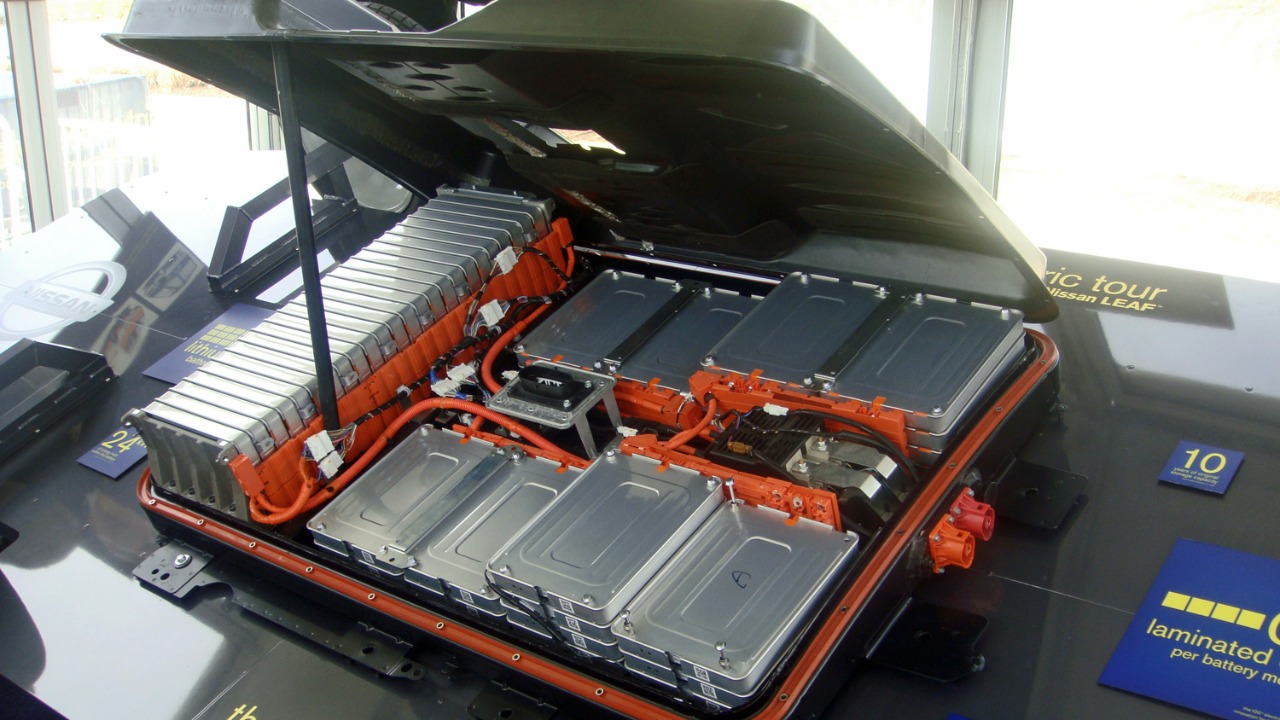
Technology is transforming the automotive industry at an unprecedented pace. Innovations in manufacturing and materials are reducing production costs, which could lead to lower prices for consumers. For example, advancements in battery technology could make electric vehicles cheaper to produce and purchase.
Additionally, smart manufacturing techniques are enhancing efficiency and reducing waste, allowing automakers to pass savings onto consumers. As technology continues to evolve, expect these advancements to drive down the overall cost of vehicles.
Expanding Secondhand Market
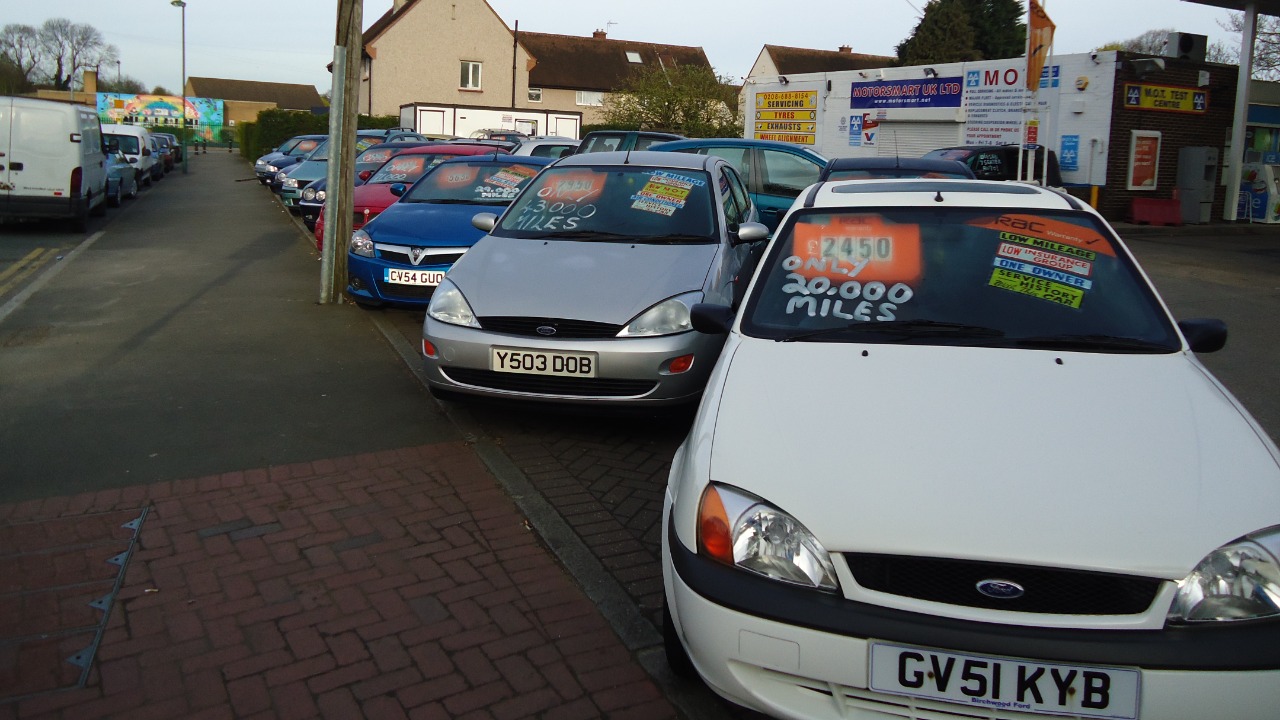
The robust growth of the secondhand car market is another factor influencing new car prices. As more quality used vehicles flood the market, consumers have more affordable alternatives to new models.
This increased competition from secondhand vehicles is pressuring new car prices to remain attractive. With platforms like Carvana and Vroom making it easier to purchase used cars, new car dealerships might need to reconsider pricing strategies to maintain their customer base.
Global Economic Uncertainty

Economic uncertainty on a global scale can significantly impact consumer behavior and car pricing. Geopolitical tensions, trade wars, and economic downturns can lead to decreased consumer confidence, affecting car sales.
This unpredictability causes manufacturers to adopt more flexible pricing strategies to adapt to fluctuating demand. During times of economic uncertainty, the automotive industry often sees price corrections as companies seek to sustain sales and navigate challenging conditions.
Changes in Consumer Preferences

Shifts in consumer preferences are also contributing to the potential decline in car prices. With a growing emphasis on sustainability and technological integration, consumers are seeking vehicles that align with these values.
As preferences evolve, demand for certain vehicle types, like large SUVs, may decrease, prompting manufacturers to lower prices to shift inventory. Additionally, the increasing interest in car-sharing services and ride-hailing apps might further reduce the need for personal vehicle ownership, leading to price adjustments.
Currency Fluctuations

Currency fluctuations can have a profound impact on car prices, especially for imported vehicles. A strong currency can make imports more affordable, while a weak currency might lead to higher prices.
Manufacturers and dealers must often adjust pricing strategies to account for these changes in exchange rates. In markets where the local currency strengthens against major currencies like the euro or yen, imported vehicles might see price reductions, making them more competitive in the domestic market.

Grant Mercer covers market dynamics, business trends, and the economic forces driving growth across industries. His analysis connects macro movements with real-world implications for investors, entrepreneurs, and professionals. Through his work at The Daily Overview, Grant helps readers understand how markets function and where opportunities may emerge.

