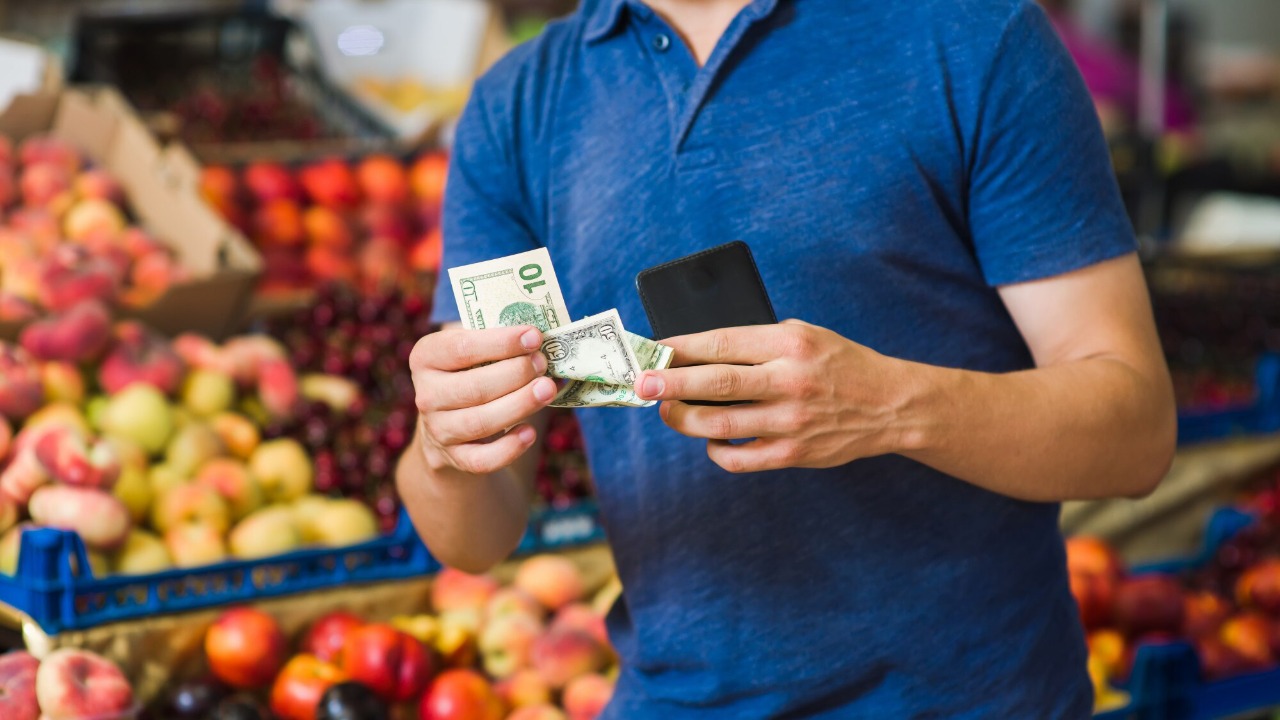
Farm profits are projected to jump 40% in 2025, yet shoppers see little relief at the checkout. Instead, grocery inflation keeps grinding higher, widening the gap between what farms earn and what households pay. I trace 12 specific reasons groceries cost more, even as farm balance sheets improve, to show how corporate profits, supply shocks and policy choices are reshaping the price of a basic cart of food.
1) Corporate Greed Fills the Gap Between Farm and Shelf
Corporate greed fills the gap between farm and shelf, turning a 40% jump in farm profits in 2025 into higher grocery bills rather than cheaper food. Analysts tracking US corporate profits report that the spread between modest farm price gains and steep retail increases has largely been captured by big food and retail companies. Instead of passing lower input costs or efficiency gains back to shoppers, many firms have held on to elevated prices even as some costs eased.
That pricing power matters because it locks in a new, higher baseline for everyday staples. When corporations can maintain or expand margins while farms see only limited price growth, the benefits of a 40% farm profit surge never reach consumers. I see this as a structural shift, where concentrated ownership in processing, brands and supermarkets allows companies to treat inflation as an opportunity to reset prices upward and keep them there.
2) Pandemic-Era Price Surge Persists
Pandemic-era price surges still shape what shoppers pay, even as farm profits jump 40% in 2025. Researchers tracking grocery prices find that the consumer price index for groceries has risen more than the overall price index since the start of the pandemic, with a particularly large jump in 2022. That spike reset expectations for what a bag of rice, a gallon of milk or a box of cereal should cost, and retailers have been reluctant to roll those prices back.
At the same time, broader measures show Food prices are up 32.1% since 2019, far outpacing typical wage growth. When households see paychecks inch up while grocery costs leap by more than a quarter, they feel squeezed even if farms are finally enjoying a 40% profit rebound. I view this persistence as a sign that pandemic shocks have hardened into a new normal, with consumers absorbing the long tail of crisis-era inflation.
3) Farmer Pay Lags Far Behind Retail
Farmer pay lags far behind retail, even as farm profits jump 40% in 2025. Reporting on the farm-to-shelf pipeline shows that Higher costs for animal feed and fertilizer contributed to steeper prices for farmers, while shortages of packaging materials and other inputs hit processors and retailers. Yet the prices farmers receive for their crops and livestock have risen by only about 6% over the same period that retail food prices climbed more than 25%.
This mismatch means farmers shoulder volatile input costs but capture only a sliver of the final price increase. When farm profits rise 40% in 2025, that improvement starts from a low base and is quickly overshadowed by the much larger markups added later in the supply chain. In my view, the lag in farmgate prices underscores how little bargaining power individual producers have against consolidated buyers and brand owners.
4) Middlemen Capture the Value Chain
Middlemen capture the value chain, turning the difference between modest farm price increases and steep retail hikes into record corporate earnings. Analysts tracking While families face climbing food prices argue that consolidation in meatpacking, grain trading and branded packaged foods lets a handful of firms dictate terms. The difference between retail food price increases and farm price increases has been captured by corporate profits rather than shared with producers or consumers.
That dynamic helps explain why groceries remain expensive even as farm profits jump 40% in 2025. When a small group of processors and distributors controls slaughterhouses, grain elevators and trucking networks, they can widen spreads quietly, line by line on the invoice. I see this as a classic case of market power, where the middle of the chain sets prices in both directions and keeps the richest slice of the pie.
5) Supermarket Chains Rake in Record Gains
Supermarket chains rake in record gains, with grocery store chains seeing profits increase by 25% since 2019 while shoppers hunt for discounts. One detailed analysis of Grocery trends notes that grocery prices have jumped 25% in just four years while consumption has plummeted, fueling calls for Public sector solutions. That profit growth suggests retailers have successfully passed along higher costs and then some, even as volumes soften.
For households, the result is a paradox: chains report healthy earnings while customers trade down to store brands or skip items altogether. A 40% jump in farm profits in 2025 does little to change that equation if supermarket pricing strategies remain focused on margin expansion. I read the numbers as evidence that big-box and regional chains have learned to thrive in a high-price environment, not reverse it.
6) Food Industry Margins Hit New Highs
Food industry margins hit new highs, reinforcing the idea that corporate strategy, not just farm costs, is driving grocery inflation. Net profit margins for the food and beverage sector were 8.8% in 2023, up from 7.2% in 2019, according to analysis of are greedy companies and their pricing power. That 1.6 percentage point jump may sound small, but across a multitrillion-dollar sector it represents billions of dollars in additional profit.
When producer costs rise and profit margins as a percentage stay the same, consumers already see price increases greater than the underlying cost shock. Here, margins have actually grown, which means companies are taking an even larger slice per dollar of sales. In my view, pairing those fatter margins with a 40% farm profit surge in 2025 shows how much value is being captured above the farm gate rather than shared through lower shelf prices.
7) Dairy Disparity: Butter Costs Soar at Checkout
Dairy disparity is stark, with butter costs soaring at checkout while farm prices barely budge. Retail butter prices shot up by 40% in 2022 and have stayed high, according to a detailed Retail analysis of dairy inflation. Over a longer window, butter retail prices are up 26% while dairy farm prices are up only 6%, meaning most of the increase is captured after milk leaves the farm.
That gap helps explain why shoppers still wince at the butter case even as some wholesale prices soften. A 40% jump in overall farm profits in 2025 does not erase the fact that dairy farmers saw far smaller price gains than retailers charged. I see butter as a case study in how branded packaging, processing and distribution can multiply modest farm-level changes into eye-popping price tags.
8) Meat Markups Outpace Rancher Returns
Meat markups outpace rancher returns, pushing beef into luxury territory for many families. Reporting on cattle markets shows beef retail prices are up 28% while cattle rancher prices are up only 4%, a spread that mirrors the broader pattern of corporate capture along the supply chain. One account of how butter prices fell even as farm costs stayed high notes that the cost of doing business for farmers and ranchers increased drastically as prices slipped, underscoring how producers are squeezed from both sides.
For consumers, the result is smaller portions, more ground meat and fewer roasts or steaks in the cart. Even with a 40% jump in farm profits in 2025, ranchers see only a fraction of the retail price, while packers and retailers capture the rest. I view beef as a clear example of how concentrated processing and branding can turn modest farm gains into steep checkout prices.
9) Egg Shortages Set to Worsen
Egg shortages are set to worsen in 2025, adding fresh pressure to grocery budgets just as farm profits jump 40%. Analysts warn that egg prices are likely to shoot up even more in 2025 because of ongoing supply disruptions. The same reporting notes that bird flu has caused the culling of over 100 million birds since 2022, a staggering loss that has permanently tightened the supply of laying hens.
When a staple as basic as eggs becomes volatile, it ripples through everything from breakfast tables to bakeries. Higher egg prices feed into the cost of processed foods, restaurant menus and holiday baking, amplifying grocery inflation beyond the egg aisle. I see the looming egg crunch as a reminder that biological shocks can collide with corporate pricing strategies to keep shelves expensive.
10) Holiday Egg Prices Already Sky-High
Holiday egg prices were already sky-high heading into 2025, signaling more pain ahead for shoppers. The average egg prices hit $4.82 per dozen in December 2024, according to the same Americans are worried discussion that captures how middle-class households are reacting. One commenter notes they would still be buying the same groceries that are escalating in cost, which is completely opposite of the point of growing their own food, highlighting how trapped many feel.
Those December prices set a high starting point for 2025, when supply constraints and corporate pricing could push costs even higher. A 40% jump in farm profits does not automatically translate into cheaper eggs if retailers treat elevated holiday prices as the new floor. I read the $4.82 figure as a psychological threshold, normalizing what would once have been considered an outlier.
11) Bird Flu’s Long-Term Toll on Supply
Bird flu’s long-term toll on supply keeps egg and poultry prices elevated, regardless of farm profit headlines. Since 2022, outbreaks of highly pathogenic avian influenza have forced producers to cull over 100 million birds, according to detailed Groceries coverage that also flags Tariffs as a growing cost driver. Each culling wave wipes out months or years of production capacity, especially for specialized laying flocks.
Rebuilding those flocks is slow and expensive, which keeps wholesale egg and poultry prices elevated even when feed costs or other inputs ease. For consumers, that means persistent sticker shock in the egg and chicken aisles, layered on top of broader grocery inflation. I see bird flu as a structural supply shock that interacts with corporate pricing power to keep shelves costly long after the initial outbreak fades from headlines.
12) Latest Outbreaks Hit Hard
The latest outbreaks hit hard, virtually guaranteeing fresh egg price spikes in 2025. A December 2024 bird flu outbreak affected 13.2 million birds, compounding earlier losses and tightening supply just as demand surged for holiday baking and entertaining, according to detailed Grocery guidance on why food prices keep rising. That single event added new pressure to an already strained egg market.
When such a large share of production disappears overnight, retailers face higher wholesale costs and often seize the moment to raise prices more than strictly necessary. Those hikes then linger, even as supply slowly recovers, contributing to the broader pattern of groceries costing more while farm profits jump 40% in 2025. I view the December outbreak as both a real supply shock and an opening for further margin expansion along the chain.
Supporting sources: Americans are worried about grocery prices again, and ….
More From TheDailyOverview
- Dave Ramsey says these two simple questions show whether you’re rich or poor
- Retired But Want To Work? Try These 18 Jobs for Seniors That Pay Weekly
- IRS raises capital gains thresholds for 2026 and what’s new
- 12 ways to make $5,000 fast that actually work

Grant Mercer covers market dynamics, business trends, and the economic forces driving growth across industries. His analysis connects macro movements with real-world implications for investors, entrepreneurs, and professionals. Through his work at The Daily Overview, Grant helps readers understand how markets function and where opportunities may emerge.

