A 175-year-old family-owned farm in New Jersey faces an uncertain future as the local town moves to seize the land for affordable housing. The farm’s owner, dealing with a legacy that spans multiple generations, is left in shock by the town’s plans. This controversy spotlights the tension between preserving heritage and addressing modern housing needs.
The Legacy of the Farm
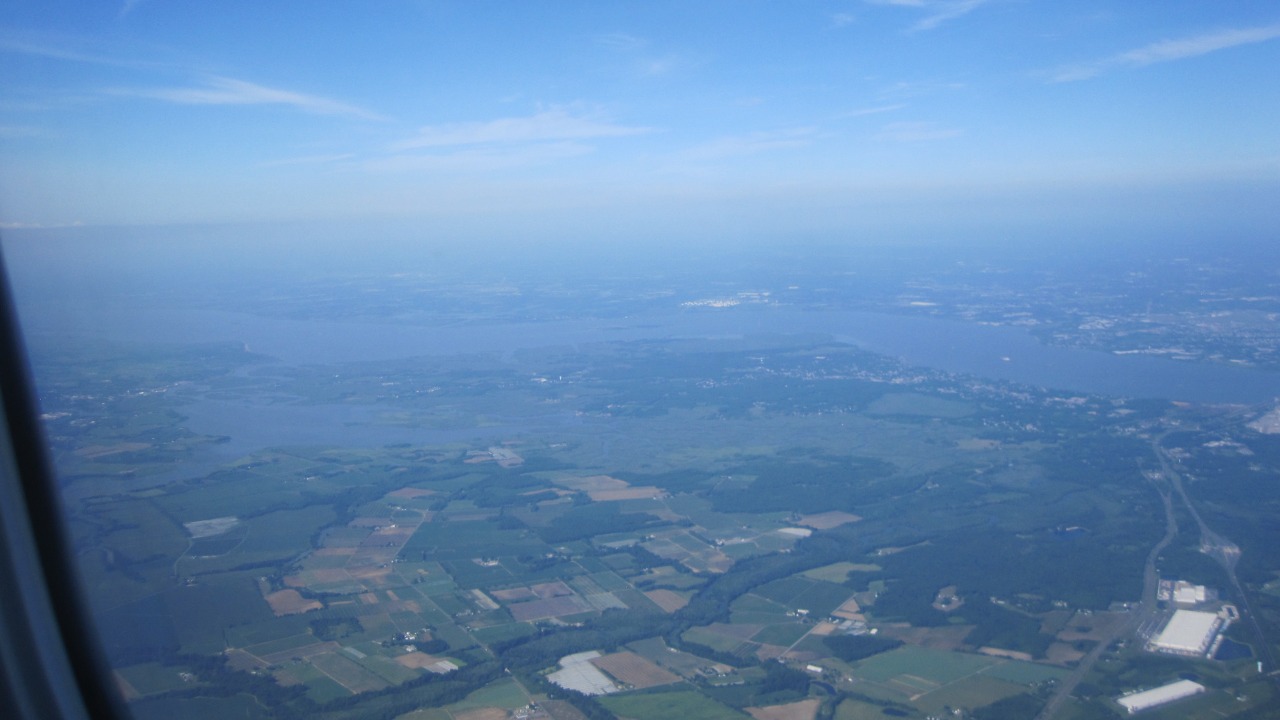
The farm, with its roots stretching back 175 years, holds a storied place in New Jersey’s history. It has been more than just a piece of land; it has served as a living testament to agricultural evolution and local culture. From its early days of subsistence farming to modern-day operations, the farm has adapted and thrived, becoming an integral part of the community’s fabric.
Passed down through generations, the farm embodies a legacy of stewardship and dedication. Each generation has added its own chapter to the farm’s history, fostering a deep emotional and familial connection. For the current owner, this connection is more than just financial; it’s a tie to ancestors and a commitment to future generations. The farm is recognized locally as a symbol of continuity, often seen as a landmark that embodies the resilience and spirit of the community.
Throughout its history, the farm has been a community staple, supporting local initiatives and serving as a gathering place for events. It has been a witness to the town’s evolution, standing as a constant in a rapidly changing world. As such, it holds significant sentimental value for both the owner and the local residents who view it as a cherished piece of their collective heritage.
The Town’s Housing Initiative
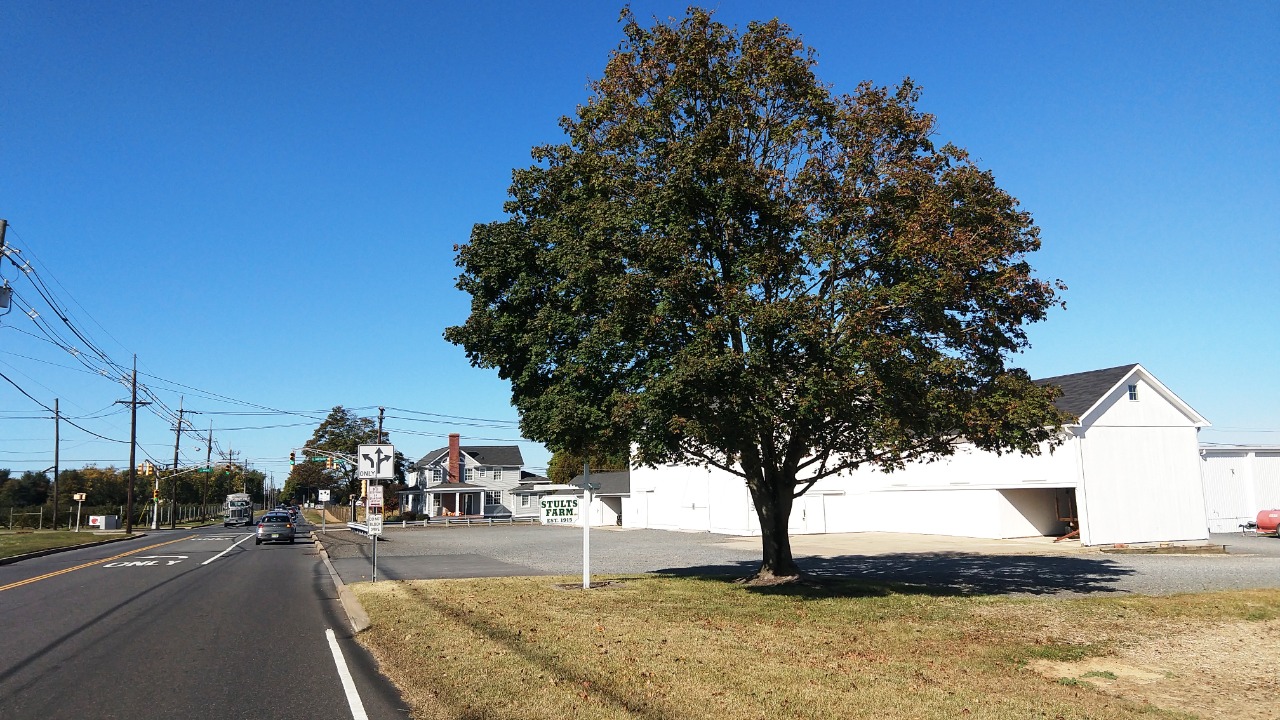
The push to seize the farm is rooted in New Jersey’s growing need for affordable housing. With skyrocketing property prices and a scarcity of affordable options, many towns are under pressure to provide solutions. The local government’s justification for the land seizure is tied to this pressing need, as they propose a development plan that promises to deliver much-needed housing units to the area
The town’s development plan outlines the construction of several housing units, aimed at alleviating the housing crisis and providing affordable options for families. Officials argue that the benefits of increased housing availability outweigh the loss of the farm, highlighting the potential economic boost and community growth that could follow. However, this plan raises questions about the balance between progress and preservation, as it challenges the very essence of the farm’s historical importance.
Legally, the town’s use of eminent domain has sparked debate. While the law allows for land seizure for public use, the ethical implications are complex. Critics argue that using eminent domain to replace historical sites with modern developments undermines community values and sets a concerning precedent for future land use decisions.
Community Reactions and Implications

Local reactions to the town’s plans are deeply divided. While some residents support the initiative, citing the necessity of affordable housing and the benefits it could bring, others staunchly oppose it, viewing the farm as an irreplaceable part of their heritage. This split in public opinion reflects a broader national debate on development versus preservation.
For local farmers, the decision is particularly concerning. It could set a precedent that threatens other family-owned farms, prompting fears of a domino effect where more historical sites may be sacrificed for modern developments. This situation underscores the need for thoughtful town planning that acknowledges the significance of preserving historical landmarks.
On social media, the issue has ignited fierce debate, with activists rallying to protect the farm. Campaigns have emerged both locally and nationally, leveraging digital platforms to spread awareness and galvanize support. This activism highlights the power of social media in shaping public opinion and influencing policy decisions.
Owner’s Response and Next Steps
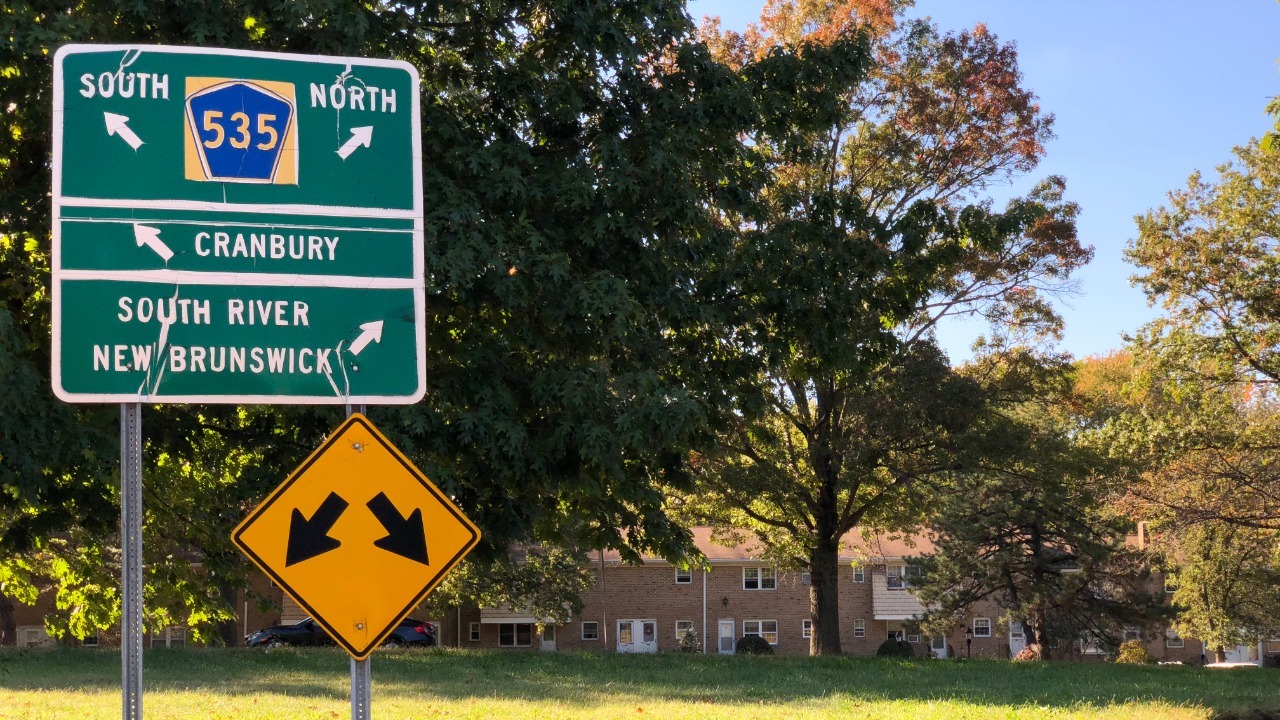
The farm owner is facing both emotional and practical challenges as he grapples with the town’s plans. The shock of potentially losing a multi-generational legacy is compounded by the daunting task of fighting the seizure. The emotional toll is significant, as the owner navigates a complex legal landscape while trying to preserve a cherished family heritage.
Legally, the owner is exploring all available resources to combat the seizure. This includes challenging the town’s use of eminent domain and seeking injunctions to halt development. The legal battle is not just about saving a piece of land; it’s about preserving a way of life and honoring the legacy of those who came before.
To strengthen his position, the owner is actively seeking allies both within and outside the community. Efforts to garner public support are underway, with appeals to local organizations and historical societies. By building a coalition of supporters, the owner hopes to amplify his voice and increase the pressure on town officials to reconsider their plans.
Balancing Progress with Preservation
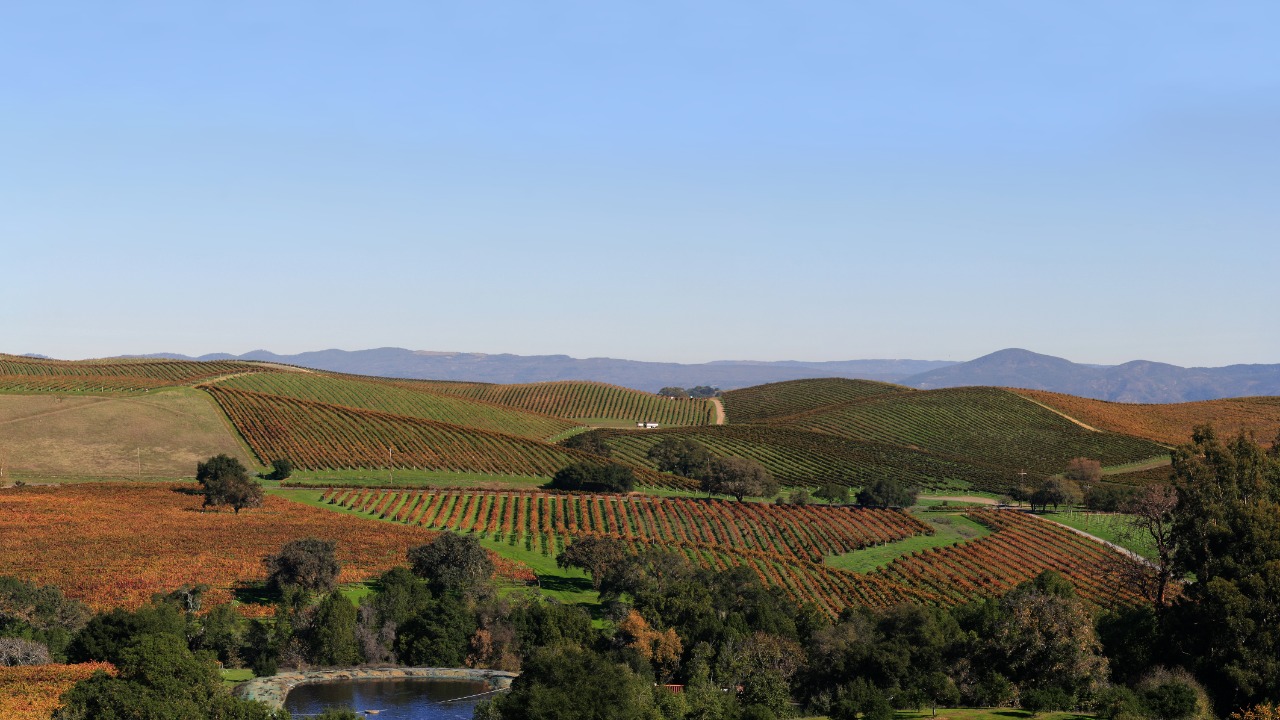
Looking beyond New Jersey, similar clashes between development and preservation have unfolded across the nation. In some cases, like in California’s Napa Valley, compromises have been reached that allow for new housing developments while preserving key historical sites. These case studies offer valuable insights and potential blueprints for resolving the current impasse.
One potential compromise could involve a mixed-use development that integrates affordable housing with the preservation of key elements of the farm. Such a solution could satisfy both the need for modern development and the desire to maintain historical continuity. This approach requires creativity and collaboration between town officials, developers, and the community.
The long-term consequences of the farm’s fate could shape future town planning and historical preservation efforts. As communities continue to grow and evolve, finding a balance between progress and preservation will be crucial. By learning from the challenges and opportunities presented in this case, towns can develop more nuanced approaches to planning that respect both history and the needs of their residents.

Elias Broderick specializes in residential and commercial real estate, with a focus on market cycles, property fundamentals, and investment strategy. His writing translates complex housing and development trends into clear insights for both new and experienced investors. At The Daily Overview, Elias explores how real estate fits into long-term wealth planning.