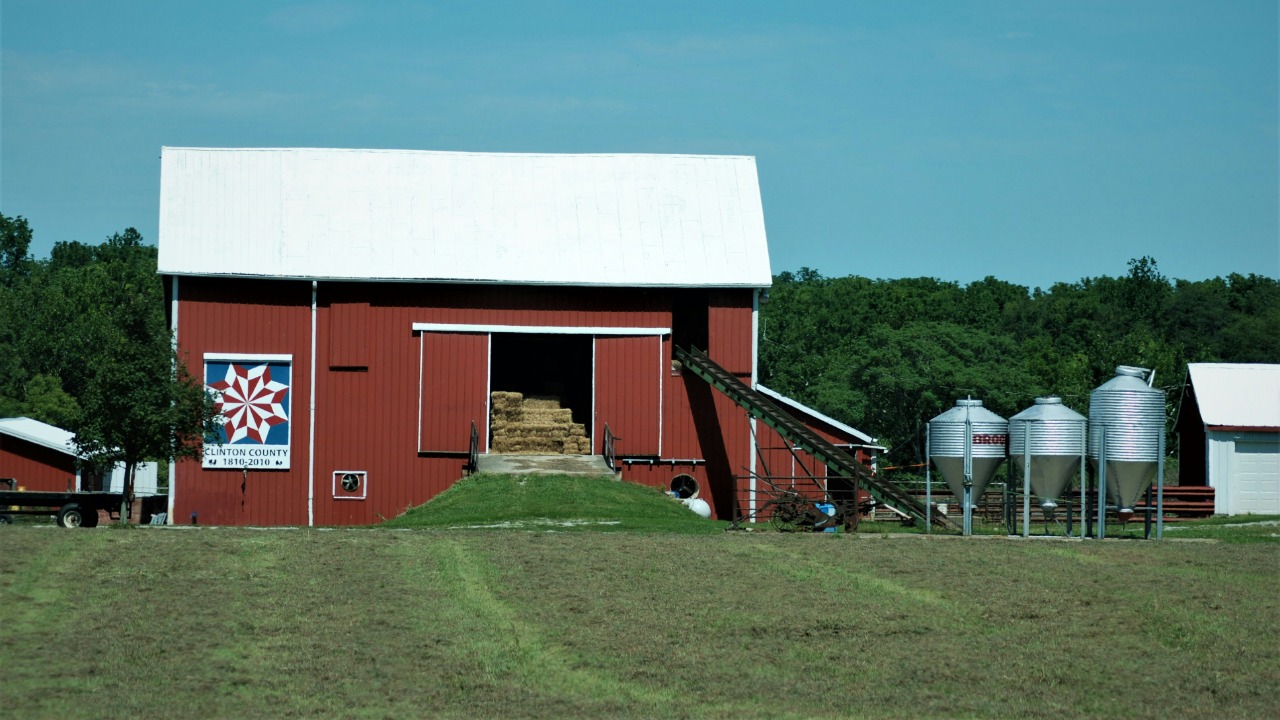
With the changing economic landscape, investors are increasingly looking at farmland as a viable asset. As traditional investment avenues face volatility, the steady growth potential of farmland presents an attractive opportunity. Let’s explore why farmland is being hailed as the next gold rush.
Rising Global Food Demand

The global population is on an upward trajectory, which places a growing demand on food production. As diets become more varied and protein-rich, the need for agricultural output intensifies. Farmland becomes a crucial player in meeting this demand. According to TalkMarkets, the increasing consumption trends worldwide are driving the need for more efficient agricultural practices and more farmland to support these practices.
Investors recognize that farmland is not only about crop production but also about the long-term value it holds. With the food supply chain becoming a central focus, owning a piece of this essential sector offers both stability and growth potential. This is why many are turning to farmland as a strategic element in their investment portfolios.
Limited Supply and Scarcity
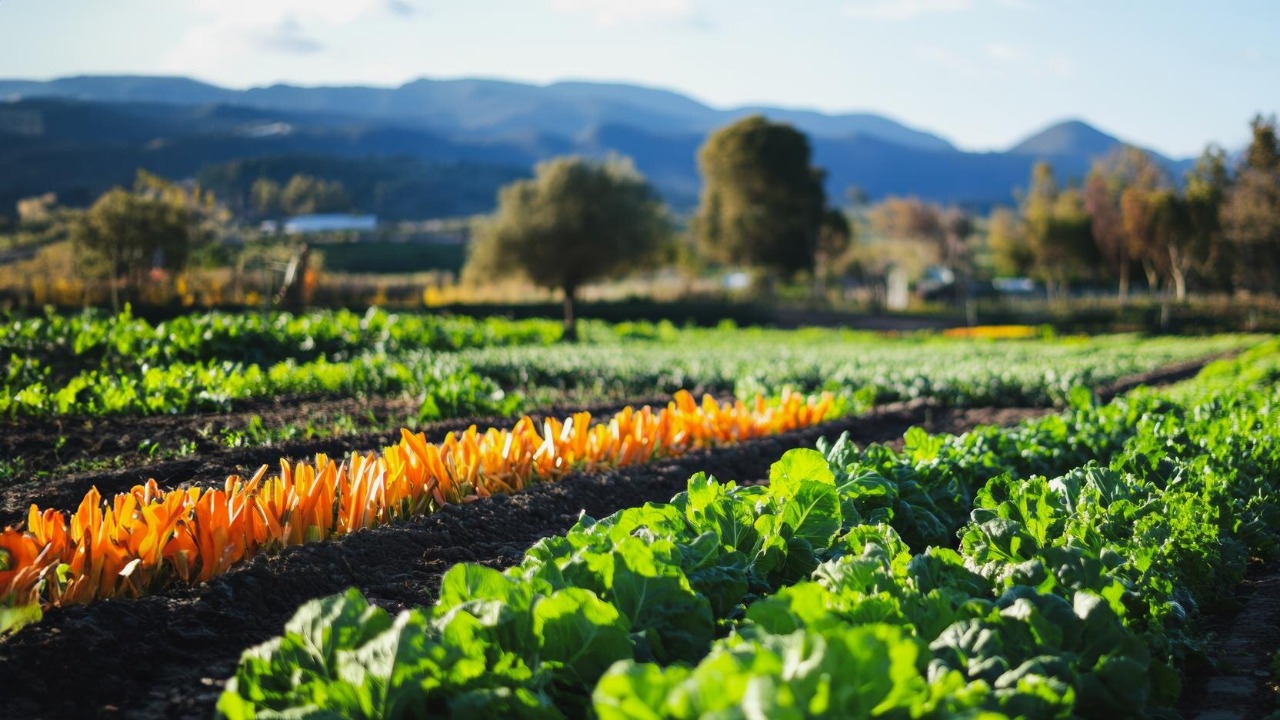
Farmland is a finite resource. Unlike other real estate assets, the availability of arable land is limited and cannot be expanded indefinitely. This scarcity is amplified by urbanization, which continually reduces available farmland. This limited supply makes farmland a valuable asset that appreciates over time.
Investors are beginning to realize the potential of farmland as an appreciating asset. As elite investors capitalize on this scarcity, the value of farmland is expected to rise, making it a profitable long-term investment. The scarcity factor adds a unique edge to farmland investments, offering both security and profitability.
Climate Change Resilience
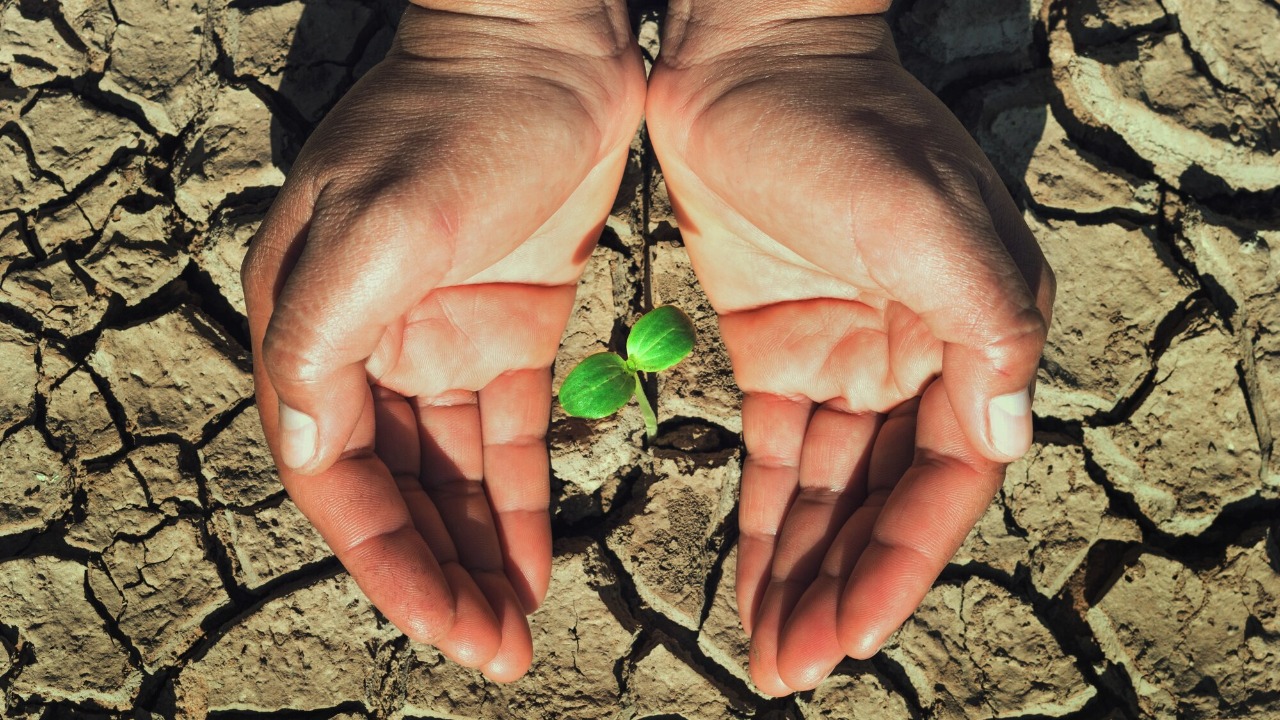
Climate change is reshaping agricultural practices and the suitability of different regions for farming. Farmland investment offers a hedge against climate-related risks as it drives innovation in sustainable agriculture. This resilience is crucial in ensuring food security and maintaining the economic value of agricultural land.
By focusing on sustainable practices, investors can enhance the productivity and resilience of their farmland holdings. Resources like the OAPEN Library provide insight into sustainable farming techniques that help protect investments against climate volatility, ensuring long-term profitability and environmental stewardship.
Investment Diversification

Diversification is a key strategy for risk management in investment portfolios. Farmland offers a unique diversification opportunity that is less correlated with traditional asset classes like stocks and bonds. This makes it an attractive option for those looking to balance their portfolios with tangible assets.
In addition to offering stability and appreciation potential, farmland investments provide a hedge against inflation. With the ability to produce ongoing income through crop sales and leasing, farmland is a robust diversification tool. Learn more about the benefits of diversifying with farmland on Five Star Acres.
Government Incentives and Support

Many governments recognize the importance of agriculture and provide incentives to support farmland investment. These incentives may include tax breaks, subsidies, and grants, aimed at encouraging sustainable farming practices and boosting agricultural productivity.
These government initiatives can significantly enhance the return on investment for farmland owners. By capitalizing on these incentives, investors can not only improve their profit margins but also contribute to the broader goal of sustainable and efficient food production. The Tandfonline journal provides detailed insights into how these policies affect farmland investment returns.

Elias Broderick specializes in residential and commercial real estate, with a focus on market cycles, property fundamentals, and investment strategy. His writing translates complex housing and development trends into clear insights for both new and experienced investors. At The Daily Overview, Elias explores how real estate fits into long-term wealth planning.