Classic car prices are hitting record highs in 2025, but that does not mean every model will keep climbing through winter. With modern crossovers already flagged for steep seasonal discounts and collectors becoming more selective, several once-hot classics look vulnerable to softer demand and sharper negotiation room as temperatures drop.
1) 1970–1974 Dodge Challenger
The 1970–1974 Dodge Challenger has been a star of the recent collector boom, yet that very success sets it up for a correction in winter 2025. Reporting on the broader market shows that classic cars are experiencing a renewed surge, with collectors paying record prices in 2025, especially for high-profile American muscle. When values spike quickly, buyers often pull back once they sense they are paying at the top of the market, and winter is when that hesitation tends to show up in slower auctions and more unsold listings. For the Challenger, which relies heavily on nostalgia and headline-grabbing sale prices, any cooling in bidding enthusiasm can translate into noticeable price cuts for driver-quality cars and less-desirable trims.
Seasonal dynamics add to that pressure. The same consumer forces that are pushing modern crossovers toward big price drops in winter 2025 also affect classic muscle, because both segments depend on discretionary spending and cheap financing. As households juggle holiday costs and higher insurance or storage bills, a non-essential V8 coupe becomes easier to postpone or negotiate down. I expect the sharpest softening to hit automatic cars, non-R/T models, and examples with color changes or aftermarket wheels, where buyers already discount originality. For owners, the implication is clear: if a sale is unavoidable, pricing realistically and being flexible on terms will matter more than chasing last summer’s auction highs.
2) 1979–1993 Ford Mustang “Fox Body”
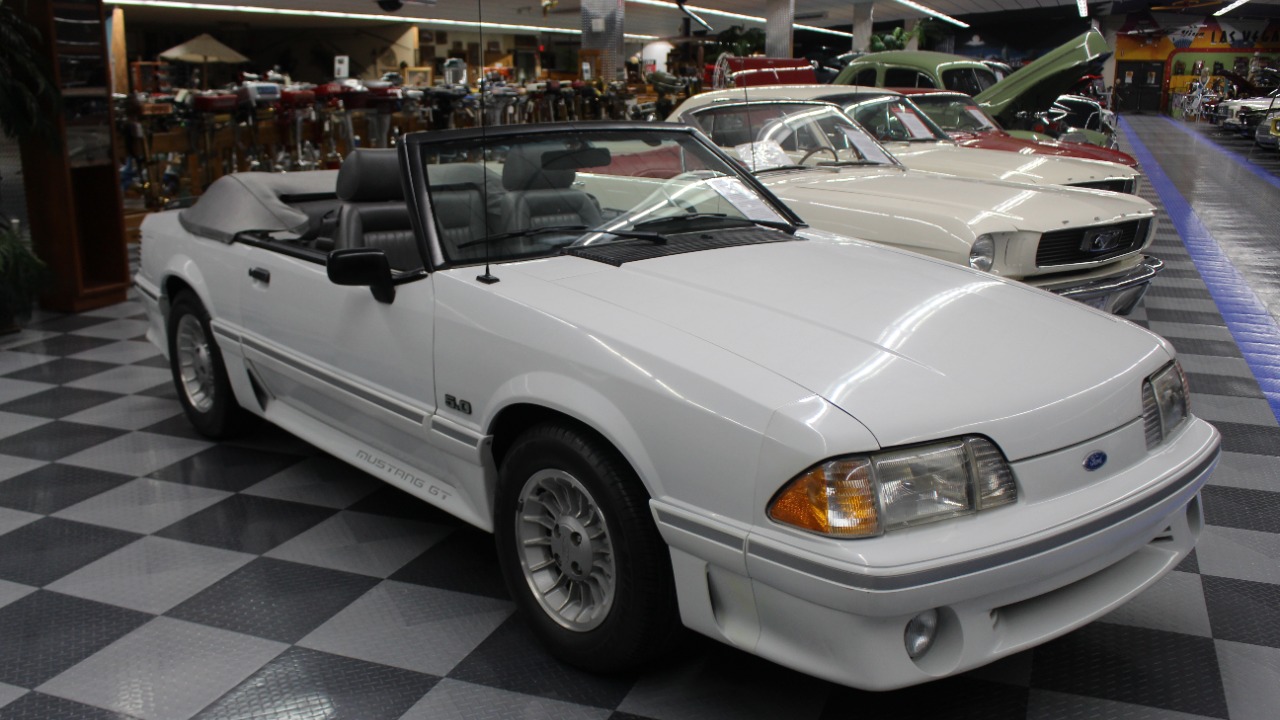
The 1979–1993 Ford Mustang, commonly called the Fox Body, has ridden a wave of enthusiasm from younger collectors who grew up seeing these cars in street-racing videos and local cruise nights. That demand helped push clean 5.0-liter hatchbacks and notchbacks into price territory that would have seemed unlikely a decade ago, aligning with the broader pattern of collectors paying record prices in 2025 for nostalgia-heavy models. However, the Fox Body market is extremely sensitive to condition and documentation, and as more cars emerge from long-term storage or budget builds, buyers gain leverage. Winter 2025 is poised to magnify that leverage, because many owners will not want to carry project cars through another season of indoor storage fees.
There is also a useful parallel with the way mainstream buyers are expected to react to modern vehicles. Analysts tracking late-model crossovers anticipate steep winter discounts as inventory builds and shoppers wait for deals, and Fox Body shoppers behave in a similar way, often watching classifieds for months before pouncing on a price cut. Modified cars with roll cages, loud exhausts, or budget paint jobs are especially vulnerable, because they appeal to a narrower audience and are harder to finance. For enthusiasts, that creates a window to step into a V8 Mustang at a more approachable price, while sellers who overestimate the value of bolt-on parts or nostalgia may find their listings sitting until spring.
3) 1984–1989 Toyota 4Runner (First Generation)
The first-generation Toyota 4Runner, built from 1984 to 1989, has transformed from a utilitarian SUV into a collectible classic, particularly in 4WD form with the removable fiberglass rear top. Its rise fits neatly into the broader surge in classic values, with buyers paying record prices in 2025 for vehicles that blend nostalgia with everyday usability. Yet that same usability makes the 4Runner compete directly with modern crossovers and SUVs, which are expected to see significant price drops in winter 2025. When late-model all-wheel-drive vehicles become cheaper to buy or lease, some shoppers who might have stretched for a vintage 4Runner instead pivot to newer, safer options with better fuel economy and heated seats.
Winter conditions also expose the practical limits of a 40-year-old truck. Families who need to ferry kids to school or to indoor activities, such as the packed calendar of fall and winter performances in Philadelphia, often prioritize reliability, modern crash protection, and strong heaters over classic charm. As a result, owners of first-gen 4Runners who listed their trucks at peak summer prices may find themselves trimming expectations once snow starts to fall and test drives reveal rust, worn interiors, or tired suspensions. For buyers, that seasonal reality can translate into better deals on high-mileage or lightly modified examples, especially if they are willing to address cosmetic flaws after the holidays.
4) 1986–1991 Mercedes-Benz 560SL (R107)
The 1986–1991 Mercedes-Benz 560SL has long been a gateway into European luxury collecting, and the recent boom has pushed top-condition cars to impressive levels. Reporting on the classic market highlights that collectors are paying record prices in 2025, and the 560SL has benefited from that enthusiasm, especially for low-mileage examples with complete service histories. However, the R107 platform is a quintessential fair-weather cruiser, and its demand is highly seasonal. As winter approaches, especially in colder regions, the pool of buyers willing to pay premium money for a rear-wheel-drive roadster shrinks, while owners still face insurance, storage, and maintenance costs that do not take a holiday.
That imbalance between year-round carrying costs and limited winter enjoyment often forces motivated sellers to accept lower offers. The same consumer caution that is expected to push modern crossovers toward aggressive winter discounts can also affect discretionary purchases like a third-car convertible. Buyers who have already budgeted for winter essentials, such as durable kids’ snow boots, may be less willing to stretch for a luxury toy that will sit under a cover until spring. For shoppers with cash on hand, that creates an opportunity to negotiate on higher-mileage 560SLs or cars with cosmetic needs, while pristine, fully documented examples are more likely to hold value but still see softer bidding than they did in peak summer auctions.
5) 1990–1996 Nissan 300ZX (Z32)
The 1990–1996 Nissan 300ZX, known by its chassis code Z32, has become a poster child for the 1990s performance-car resurgence. Twin-turbo models in particular have surged in value as younger collectors chase the cars they saw in video games and tuner magazines, echoing the broader trend of record-setting classic prices in 2025. Yet the Z32 is also a complex, maintenance-intensive sports car, and that complexity becomes a liability when economic conditions tighten and buyers grow more cautious. Winter 2025 is likely to expose that tension, as potential owners weigh the cost of timing-belt services, turbo repairs, and specialty tires against other seasonal expenses.
There is a clear parallel with the mainstream market, where analysts expect modern crossovers to face notable winter price cuts as inventory and incentives build. Enthusiasts shopping for a 300ZX often behave similarly, waiting for off-season listings when sellers are more negotiable and competition from other bidders is lower. Modified cars with big turbos, aftermarket body kits, or interior swaps are especially vulnerable to winter price drops, because they appeal to a narrower audience and can be harder to insure. For buyers willing to take on a project, that environment can yield attractive deals on cars that need cosmetic or mechanical sorting, while owners who hoped to cash out at peak summer prices may need to adjust expectations or hold through the colder months.
6) 1995–2002 BMW Z3 Roadster and Coupe
The 1995–2002 BMW Z3, in both roadster and coupe form, has quietly appreciated as enthusiasts rediscover its analog driving feel and compact footprint. The broader collector landscape, where buyers are paying record prices in 2025, has lifted even modestly powered four-cylinder Z3s, while six-cylinder and M variants have drawn serious attention. Yet the Z3 is fundamentally a seasonal car in most climates, and its appeal peaks in warm weather when top-down drives and weekend trips are easy to justify. As winter 2025 approaches, especially in regions with snow and road salt, many potential buyers will shift focus to practical concerns like commuting, family logistics, and indoor entertainment, such as the packed schedule of theater and live performances.
That seasonal shift tends to soften demand for small rear-wheel-drive convertibles, putting downward pressure on asking prices. The same consumer caution that is expected to drive winter discounts on modern crossovers can also affect decisions about adding a fun second or third car. Owners who do not have heated storage or who face rising insurance premiums may decide to sell rather than carry the car through another winter, especially if they are not using it regularly. For buyers, this creates a window to negotiate on higher-mileage Z3s or cars with cosmetic flaws, while rarer M Coupes and well-documented six-cylinder roadsters are likely to see smaller but still noticeable winter price adjustments as sellers respond to a thinner pool of bidders.
More From TheDailyOverview
- Tennessee loses $2.6B megafactory and faces major layoffs
- Retired But Want To Work? Try These 18 Jobs for Seniors That Pay Weekly
- What to do with your pennies after the U.S. stops minting them
- Home Depot CEO warns of a troubling customer trend in stores

Alex is the strategic mind behind The Daily Overview, guiding its mission to uncover the forces shaping modern wealth. With a background in market analysis and a track record of building digital-first businesses, he leads the publication with a focus on clarity, depth, and forward-looking insight. Alex oversees editorial direction, growth strategy, and the development of new content verticals that help readers identify opportunity in an ever-evolving financial landscape. His leadership emphasizes disciplined thinking, high standards, and a commitment to making sophisticated financial ideas accessible to a broad audience.

