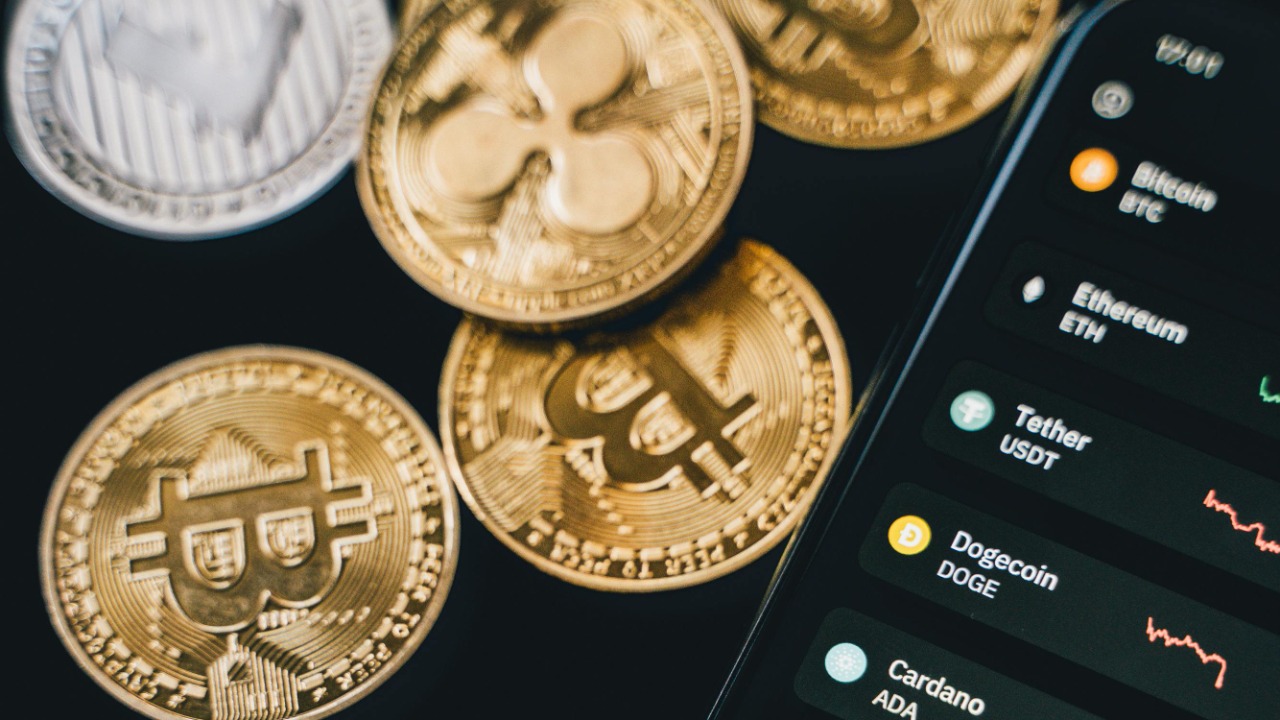
As I age, I find myself drawn to the stability and potential of certain crypto assets that have stood the test of time. These digital currencies continue to capture the interest of men over 40, thanks to their established presence and ongoing development. Whether for investment or the sheer fascination with blockchain technology, these are the assets that remain on my radar.
Bitcoin (BTC)

Bitcoin, often called the king of cryptocurrencies, remains a central focus for many. Its inception in 2009 marked the beginning of the crypto era, and it continues to be a benchmark in the digital asset space. With a capped supply of 21 million coins, Bitcoin offers a sense of scarcity akin to precious metals like gold. This scarcity, coupled with its decentralized nature, makes it a compelling choice for those seeking a hedge against inflation.
Bitcoin’s role in multi-asset portfolios is increasingly acknowledged by financial experts, as it provides diversification benefits. Despite its volatility, Bitcoin’s resilience over the years suggests that it will remain a cornerstone in the crypto portfolios of those who value innovation and stability.
Ethereum (ETH)
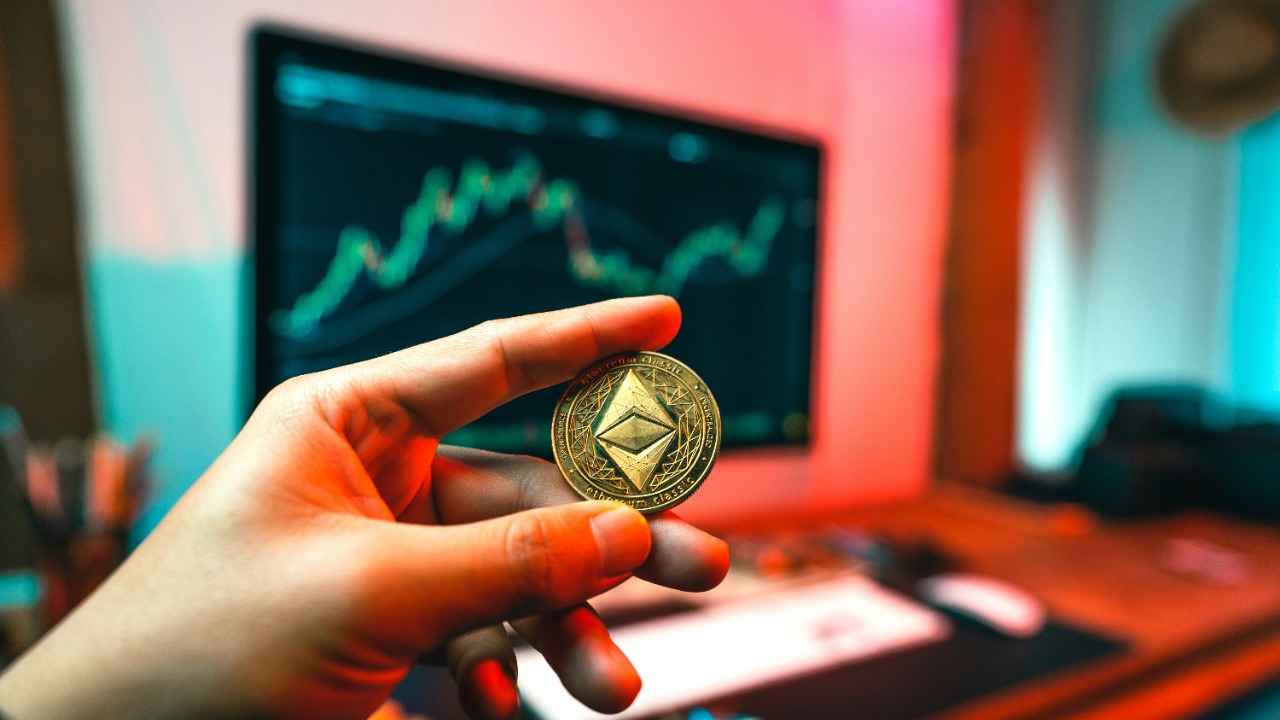
Ethereum stands out not just as a cryptocurrency but as a platform that introduced smart contracts to the world. This innovation allows developers to build decentralized applications (dApps) on its blockchain, expanding the utility of cryptocurrencies beyond simple transactions. The recent transition to Ethereum 2.0, which aims to improve scalability and energy efficiency, has reinvigorated interest in this digital asset.
Ethereum’s ability to constantly evolve and adapt to new challenges makes it a staple for those interested in the future of blockchain technology. According to studies, many Americans have shown interest in Ethereum due to its innovative features and strong developer community.
Ripple (XRP)
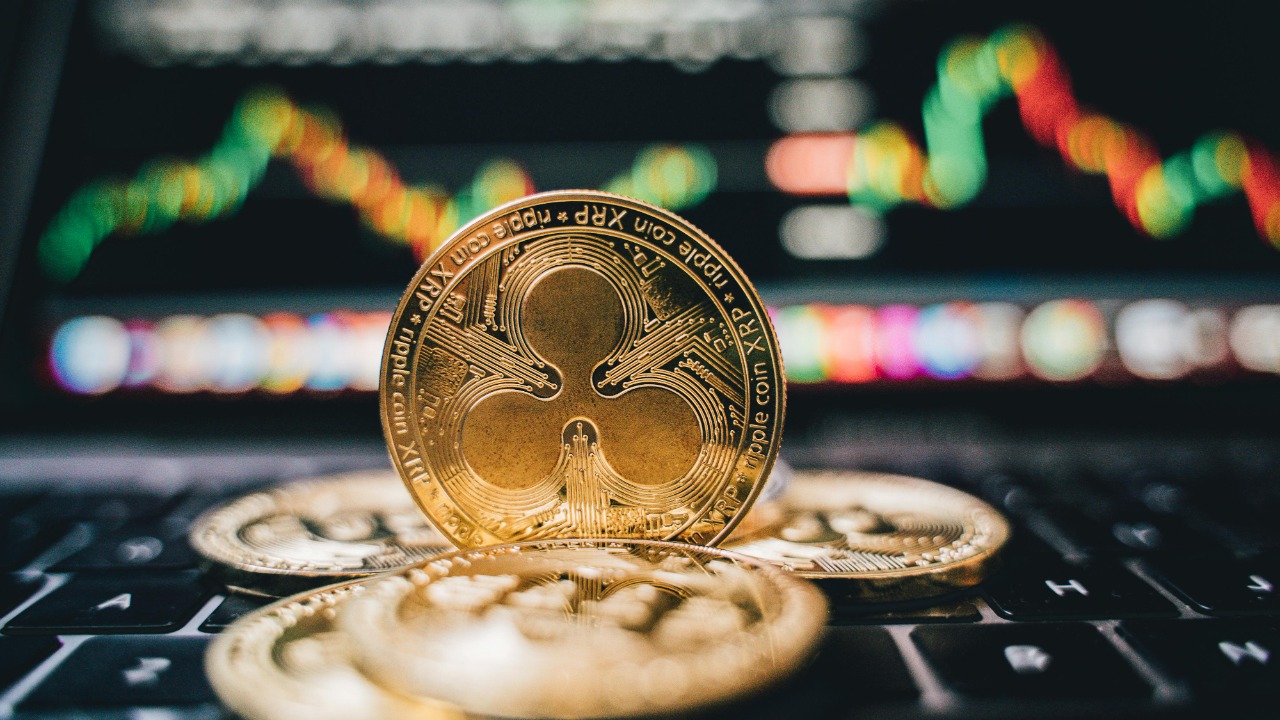
Ripple, known for its digital payment protocol, offers a unique proposition in the world of cryptocurrencies. Unlike Bitcoin, which focuses on decentralization, Ripple aims to work within the financial system, facilitating fast and cost-effective international payments. This has garnered the interest of financial institutions looking to streamline cross-border transactions.
As regulatory landscapes evolve, Ripple’s focus on compliance and partnership with banks could make it a crucial player in the future of digital finance. Its ongoing legal battle with the SEC is closely monitored, as a favorable outcome could further solidify its position in the market.
Litecoin (LTC)
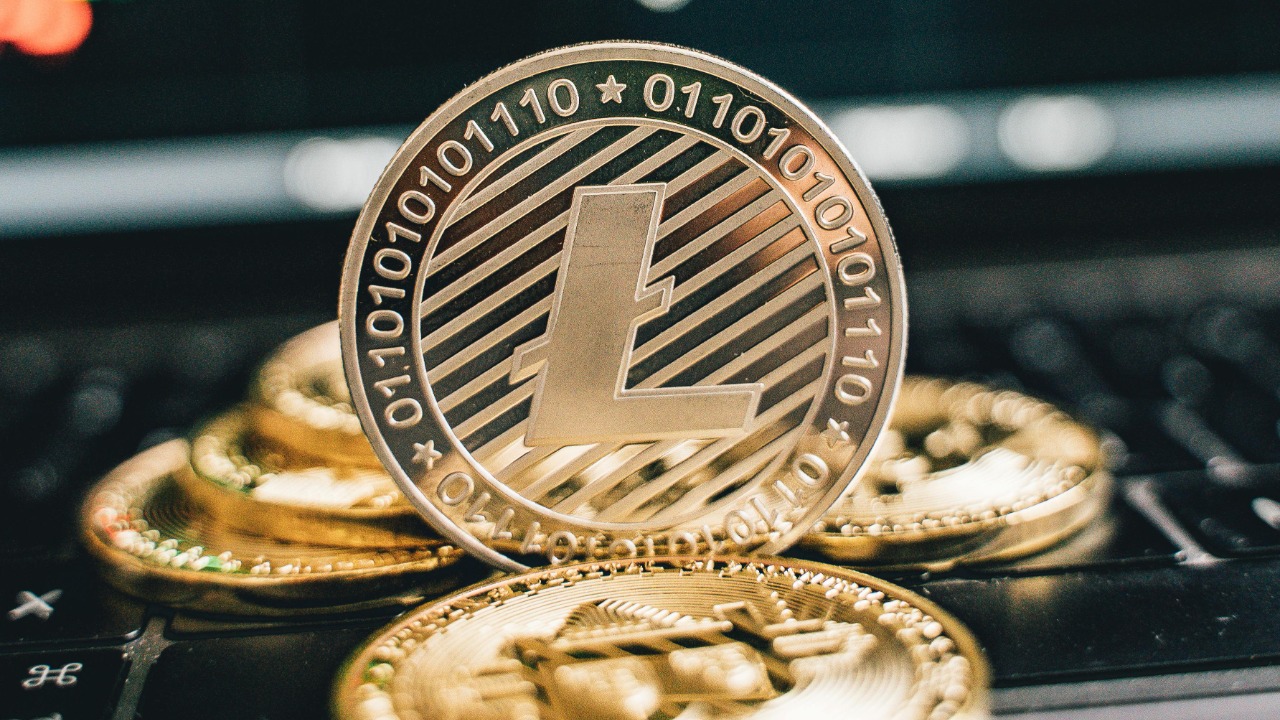
Litecoin, often referred to as the silver to Bitcoin’s gold, was created to offer faster transaction times and a more efficient mining process. Its longevity and consistent performance make it a reliable choice for those who appreciate simplicity and speed in digital transactions.
While it may not boast the same level of innovation as Ethereum, Litecoin’s commitment to improving transaction efficiency keeps it relevant. The European Central Bank’s report on cryptocurrency adoption highlights Litecoin’s role as a stable and accessible option for crypto enthusiasts.
Cardano (ADA)
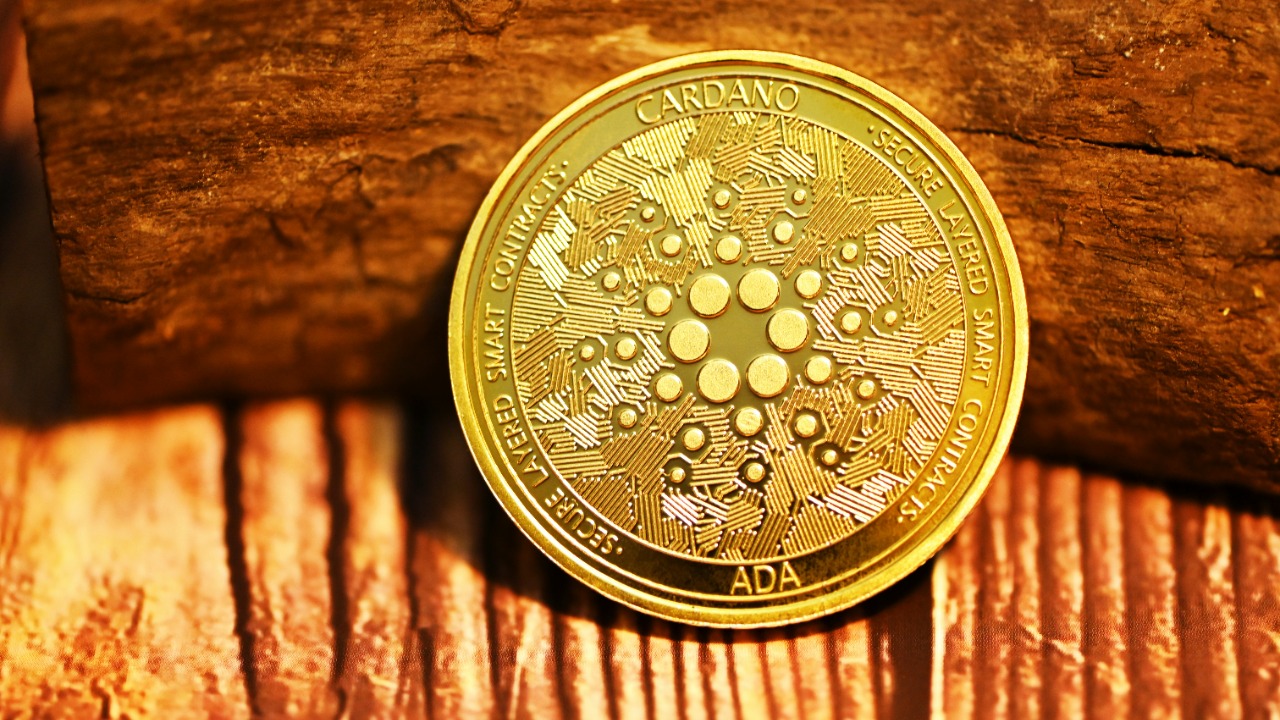
Cardano distinguishes itself with a research-driven approach to blockchain development. Founded by one of Ethereum’s co-founders, this project prioritizes security and sustainability through its proof-of-stake consensus mechanism. Its methodical development process appeals to those who value a well-structured and transparent roadmap.
The emphasis on peer-reviewed research ensures that Cardano’s updates are thoroughly vetted, making it an attractive option for long-term investors. For those who prioritize technological integrity and a scientific approach, Cardano remains a top contender in the crypto space.
Chainlink (LINK)
Chainlink introduces the concept of oracles to the blockchain world, bridging the gap between on-chain and off-chain data. This functionality is crucial for the execution of smart contracts that require real-world data, enhancing their applicability across various industries.
As blockchain technology continues to integrate with traditional systems, Chainlink’s ability to provide reliable data feeds becomes increasingly important. The potential for integration in sectors such as finance and supply chain management underscores its value in a diversified crypto portfolio.

Grant Mercer covers market dynamics, business trends, and the economic forces driving growth across industries. His analysis connects macro movements with real-world implications for investors, entrepreneurs, and professionals. Through his work at The Daily Overview, Grant helps readers understand how markets function and where opportunities may emerge.

