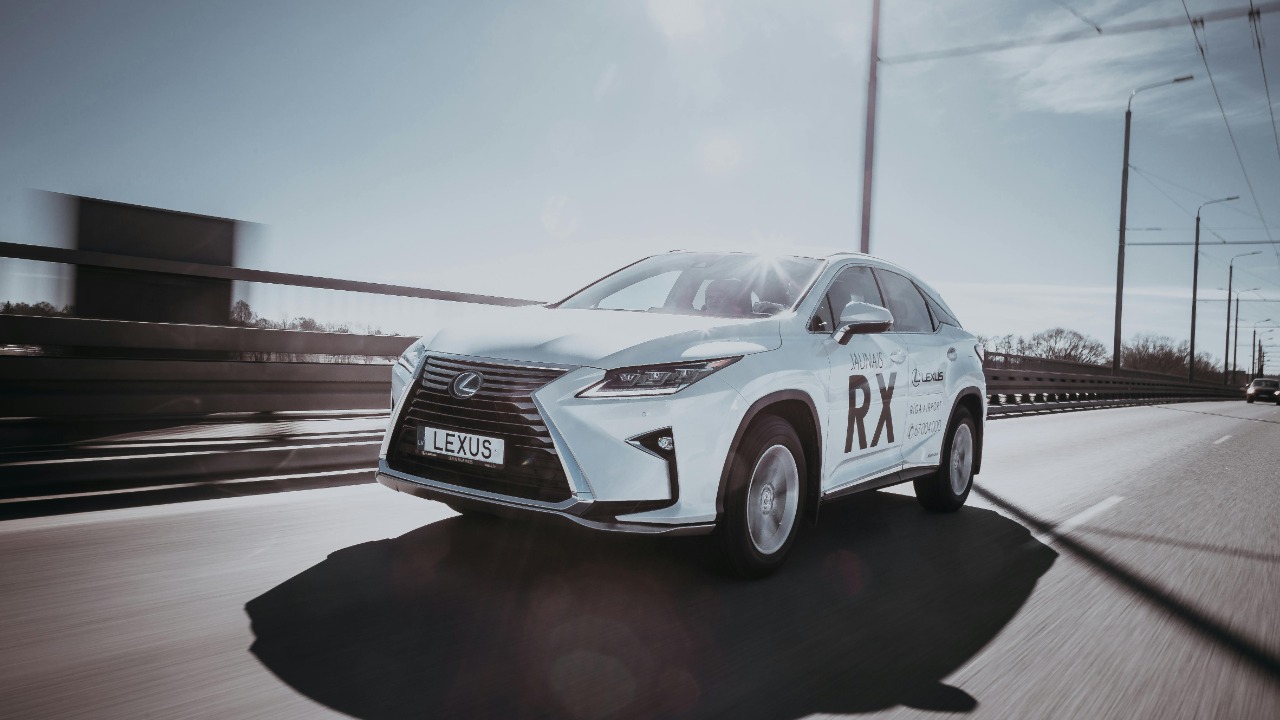
A convergence of expiring federal tax credits, a rising tide of off-lease electric vehicles, and aggressive manufacturer discounting is setting up early 2026 as a buyer’s market for luxury SUVs. Several high-end models that held their value through the pandemic-era supply crunch now face steep depreciation as supply outpaces demand. For shoppers willing to wait, the first quarter of 2026 could deliver some of the sharpest price drops the segment has seen in years.
Off-Lease EVs Flood the Used Market
The single biggest force pushing luxury SUV prices down is a wave of electric vehicles coming off three-year leases. Reporting from Car and Driver, drawing on lease-share data from TransUnion, S&P Global Mobility, and Experian, points to a surge of 36‑month off-lease EVs returning in 2026. That wave includes luxury electric SUVs like the Tesla Model X, BMW iX, and Audi e-tron that were leased in large numbers during 2022 and 2023, when dealers structured deals around generous federal incentives and optimistic assumptions about future resale values.
The mechanism is straightforward: when thousands of similar vehicles re-enter the used market at the same time, dealers compete on price to move them. Luxury EVs are particularly exposed because battery technology and software advance quickly, making a three-year-old model feel dated next to the latest releases. A 2023 electric SUV coming back in early 2026 will compete not only against other off-lease units but also against new models with longer range, faster charging, and more polished driver-assistance systems. That dynamic compresses resale values faster than it does for conventional luxury SUVs, where improvements tend to be more incremental and buyers are less sensitive to technology gaps.
Section 45W Credit Expiration Reshapes Incentives
Much of the lease boom that created this looming supply glut traces back to a federal tax provision aimed at accelerating EV adoption. Under the commercial clean-vehicle rules summarized by the IRS on its Section 45W guidance page, businesses and lessors could claim substantial credits on qualifying electric vehicles. The IRS has made clear that this credit is not available for vehicles acquired after September 30, 2025, creating a hard deadline that pulled demand forward. Dealers and leasing companies had a strong financial reason to write as many EV leases as possible before that cutoff, inflating the volume of vehicles that will now cycle back into the used market together.
The U.S. Department of the Treasury detailed the mechanics of the program in proposed regulations that described how to calculate the benefit, including basis percentages, incremental cost rules, and weight-class caps. Those rules, cataloged by the IRS in Internal Revenue Bulletin 2025‑06, also clarified what “placed in service” means for credit eligibility, which in turn shaped when vehicles had to be delivered to qualify. Leasing companies structured aggressive deals around these parameters, often assuming high residual values to keep monthly payments low while capturing the tax credit on the back end. With the incentive now expired for new acquisitions, that artificial support for lease pricing is gone, and vehicles returning from those programs will confront a used market that no longer has a policy-driven floor under values.
Which Luxury SUVs Face the Steepest Drops
Not every luxury SUV will lose value at the same rate, and brand strength still matters. The analysts behind the 2026 ALG residual awards evaluate hundreds of models for projected value retention, and their work underscores that some nameplates are better insulated than others. Historically, brands like Porsche and Lexus have topped the charts in SUV segments, reflecting loyal followings, conservative production volumes, and slower model turnover. Vehicles with that kind of profile are less likely to see dramatic price swings, even in a softening market.
The models most exposed to steep depreciation share several traits: they are electric or plug-in hybrid, they were leased in high volumes during the 45W credit window, and they lack the deep brand-loyalty premium that props up icons like the Porsche Cayenne or Lexus RX. Based on the lease-volume surge highlighted by Car and Driver and the residual-value patterns flagged by J.D. Power, six luxury SUVs stand out as candidates for significant price erosion in early 2026: the Tesla Model X, BMW iX, Audi e-tron (now marketed as the Q8 e-tron), Mercedes-Benz EQS SUV, Rivian R1S, and Cadillac Lyriq. Each benefited from subsidized lease structures supported by tax credits and manufacturer incentives; as those supports unwind, their used-market pricing will need to find a new, lower equilibrium that reflects both abundant supply and fast-moving technology.
Automakers Already Signaling Price Pressure
The discounting has already begun on the new-vehicle side, and that will inevitably spill over into used values. Ford Motor Company made headlines when it rolled out an employee-pricing offer that extended deep factory-backed discounts to every U.S. shopper, not just its own workforce. The move was framed as a way to support buyers amid economic uncertainty and shifting trade policies, but it also reflected a classic inventory-clearing strategy: cut prices, move metal, and reset production to better match demand.
Ford later doubled down by keeping the promotion in place as part of its patriotic marketing push, with the company’s From America, For America program extending employee pricing through the Fourth of July. Ford does not sell a direct rival to a BMW iX or Tesla Model X, but the signal to the market is unmistakable. When a major automaker breaks price discipline so publicly, it gives cover for others to follow suit, even if they prefer to disguise discounts through subsidized leases, loyalty cash, and dealer bonuses. As mainstream brands lean on incentives to keep factories humming, luxury marques will face growing pressure to match those deals in early 2026, further eroding the price floor for both new and used luxury SUVs, especially in segments where off-lease returns are already swelling inventories.
Cox Automotive’s Forecast Adds Context
The broader used-vehicle market offers important context for how this will play out. Analysts at Cox Automotive, in their Manheim index outlook, note that wholesale values ended 2025 on a relatively stable footing. They anticipate what they describe as “normal depreciation” in 2026 rather than a broad-based collapse in prices, suggesting that most used vehicles will follow familiar seasonal and age-related patterns. At a headline level, that implies a market returning to pre-pandemic rhythms after several years of volatility.
Within that overall stability, however, Cox flags a rising EV influence that will increasingly shape segment-level trends. Car and Driver’s analysis, which leans on Cox data, points to a split between conventional models and battery-powered vehicles. Gas-powered luxury SUVs such as the BMW X5 or Lexus GX are expected to see modest, predictable depreciation, helped by steady demand from buyers who still prefer internal combustion. By contrast, the luxury electric SUV segment is heading into a period of sharp, localized price pressure driven by lease returns, incentive shifts, and rapid product cycles. For shoppers, that means the standout deals in early 2026 will be concentrated in specific EV nameplates rather than evenly spread across the entire luxury SUV landscape.
What This Means for Buyers and Sellers
For current owners of luxury electric SUVs, especially those whose vehicles were leased or purchased new in 2022 or 2023, the near-term math is challenging. Rising supply from off-lease returns, the disappearance of the Section 45W support for new commercial acquisitions, and increasingly aggressive manufacturer incentives all point toward weaker trade-in and private-sale values in early 2026. Owners who must sell or trade during that window should prepare for appraisals that fall short of outstanding loan balances, particularly on models that were heavily subsidized when new. In some cases, it may be worth exploring options to extend a lease or refinance a balloon payment to ride out the most intense phase of the price correction.
Buyers, by contrast, stand to benefit from patience and careful timing. Those targeting a luxury EV SUV can use the coming supply wave to their advantage by cross-shopping multiple brands, being flexible on color and options, and focusing on certified pre-owned units that bundle extended warranties with already-discounted prices. Shoppers should also pay attention to how much newer models have improved in range and charging speed, since a larger performance gap will put additional downward pressure on older inventory. As consumer advocates often remind drivers on platforms such as Freedom 250, the best defense against depreciation is buying at the right price and planning to hold the vehicle long enough for its value curve to flatten.
Timing Strategies and Market Risks
The timing of purchases and sales will be crucial as the market digests this influx of vehicles. Early 2026 is likely to see the steepest month-over-month drops as off-lease units arrive in bulk and dealers race to clear aging inventory ahead of new model-year launches. Shoppers who can wait until late in the first quarter or early in the second may find that dealers are more willing to negotiate, especially on slow-moving trims or colors. On the flip side, waiting too long risks missing the widest selection, as the most attractively priced and well-equipped examples tend to sell first once the market recognizes a bargain.
There are also structural risks buyers should keep in mind, particularly around technology and policy. Software support and charging compatibility can affect the long-term usability of an electric SUV, and changes in future incentives could alter the relative appeal of new versus used vehicles. To navigate these complexities, it helps to rely on up-to-date tools and browsers that can properly display automaker portals, dealer inventory systems, and incentive calculators; upgrading through resources such as browser support sites can make online shopping smoother and more secure. Ultimately, the best strategy for both buyers and sellers is to recognize that the luxury SUV market is entering a transition phase in 2026, one defined less by scarcity and record prices, and more by abundant choice, sharper discounts, and a growing gap between the strongest and weakest performers on the used lot.
More From The Daily Overview
*This article was researched with the help of AI, with human editors creating the final content.

Elias Broderick specializes in residential and commercial real estate, with a focus on market cycles, property fundamentals, and investment strategy. His writing translates complex housing and development trends into clear insights for both new and experienced investors. At The Daily Overview, Elias explores how real estate fits into long-term wealth planning.

