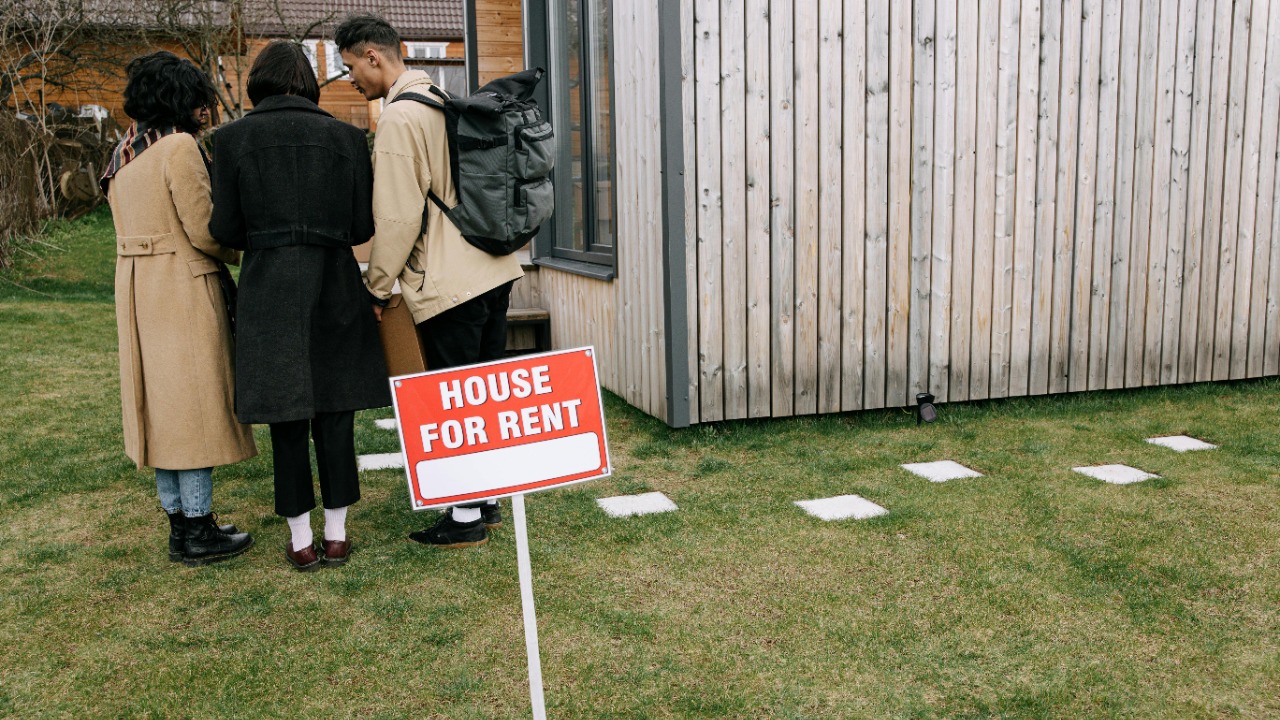
To make a wise investment in rental property, it’s crucial to conduct a thorough evaluation before taking the plunge. This checklist provides key considerations to ensure you make an informed decision, from analyzing the location to understanding the financial implications.
1. Evaluate the Location
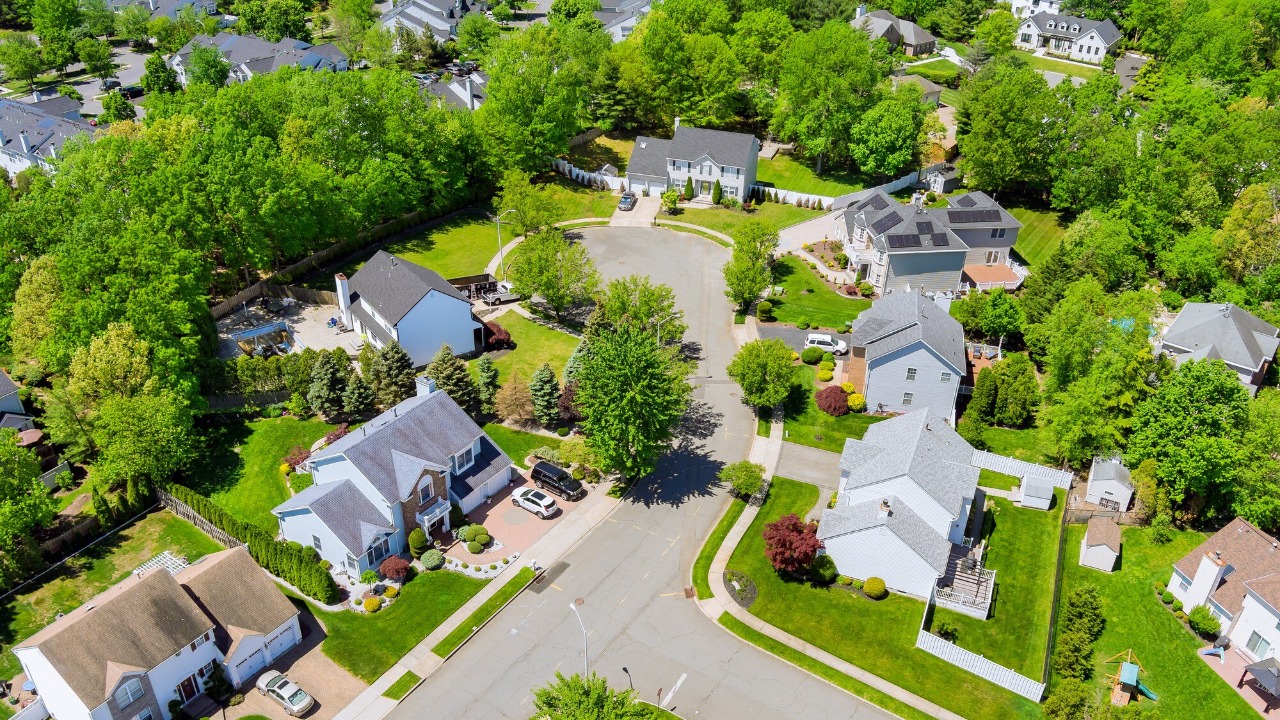
Choosing the right location is paramount when purchasing a rental property. A neighborhood with thriving amenities, such as parks, schools, and shopping centers, is generally more appealing to potential renters. Take the time to explore the area during different times of the day to get a feel for the traffic patterns and noise levels. Additionally, consider the proximity to public transportation, as this can significantly affect the property’s attractiveness.
It’s also essential to research future developments in the area. Plans for new businesses or infrastructure improvements can enhance property values, making it a more lucrative investment. On the other hand, an area with declining economic prospects might be risky. Consider reading more about how location affects rental investments.
2. Analyze the Local Rental Market

Understanding the local rental market is crucial for setting competitive rental rates. Research similar properties in the area to determine the average rental prices and vacancy rates. High vacancy rates might indicate a saturated market, whereas lower rates suggest strong demand. Ensure that the rental income aligns with your financial goals and covers mortgage payments, taxes, and other expenses.
It’s also important to consider the target demographic for the area. For instance, if the property is near a university, students might be the primary renters, impacting lease durations and property management strategies. Dive deeper into rental market analysis by visiting this beginner’s checklist.
3. Inspect the Property Condition

A thorough inspection of the property’s condition can save you from costly surprises down the road. Engage a professional inspector to assess the structural integrity, electrical systems, plumbing, and other critical aspects. Identifying issues early on allows you to negotiate repairs with the seller or adjust your offer accordingly.
Consider the age of the property, as older homes might require more maintenance and updates. For example, properties with outdated HVAC systems or roofing might need significant investments soon. Understanding these potential costs will help you budget effectively and maintain profitability.
4. Review Financial Viability

Before purchasing a rental property, it’s essential to assess its financial viability. Calculate the potential return on investment (ROI) by considering factors such as purchase price, rental income, and ongoing expenses. A positive cash flow is crucial to ensure the property remains a good investment.
Consider financing options and interest rates, which can significantly impact your financial bottom line. Research available mortgage options or explore using a credit card with rewards for related expenses. Develop a financial plan that prepares you for unexpected costs, such as vacancies or emergency repairs.
5. Understand Legal and Zoning Regulations

Familiarize yourself with local laws and zoning regulations that affect rental properties. Zoning laws dictate what type of properties can be built or used, impacting your ability to modify or expand the property. Ensure the property complies with all local codes and regulations to avoid future legal issues.
Consider consulting with a local attorney or real estate professional to understand landlord-tenant laws, rental licensing requirements, and tax implications. Being informed about these regulations can help you navigate potential challenges and protect your investment.
6. Assess Property Management Options

Decide whether you’ll manage the property yourself or hire a property management company. Self-managing the property can save money but requires time and effort to handle tenant inquiries, maintenance, and rent collection. Weigh your availability and expertise before deciding.
If hiring a property management company, research their reputation, fees, and services offered. A reliable company can enhance tenant satisfaction and ensure the property is well-maintained. For more insights, explore these essential tips for landlords.
7. Plan for Future Maintenance and Upgrades

Maintenance and upgrades are inevitable when owning a rental property. Create a plan to address ongoing maintenance tasks such as landscaping, repairs, and cleaning. Budgeting for these expenses ensures the property remains attractive to tenants and retains its value over time.
Consider potential upgrades that could increase rental income, such as modernizing kitchens or adding energy-efficient appliances. Stay informed about trends in rental property improvements to make strategic decisions that enhance your property’s appeal. For additional guidance, refer to this vacation home checklist that can be adapted for rental properties.

Elias Broderick specializes in residential and commercial real estate, with a focus on market cycles, property fundamentals, and investment strategy. His writing translates complex housing and development trends into clear insights for both new and experienced investors. At The Daily Overview, Elias explores how real estate fits into long-term wealth planning.

