
Small farms offer unique opportunities to cultivate niche products and attract specific markets. With creativity and a focus on sustainability, these small farm ideas can yield substantial returns. Let’s delve into these innovative and profitable ventures.
Organic Microgreens Production
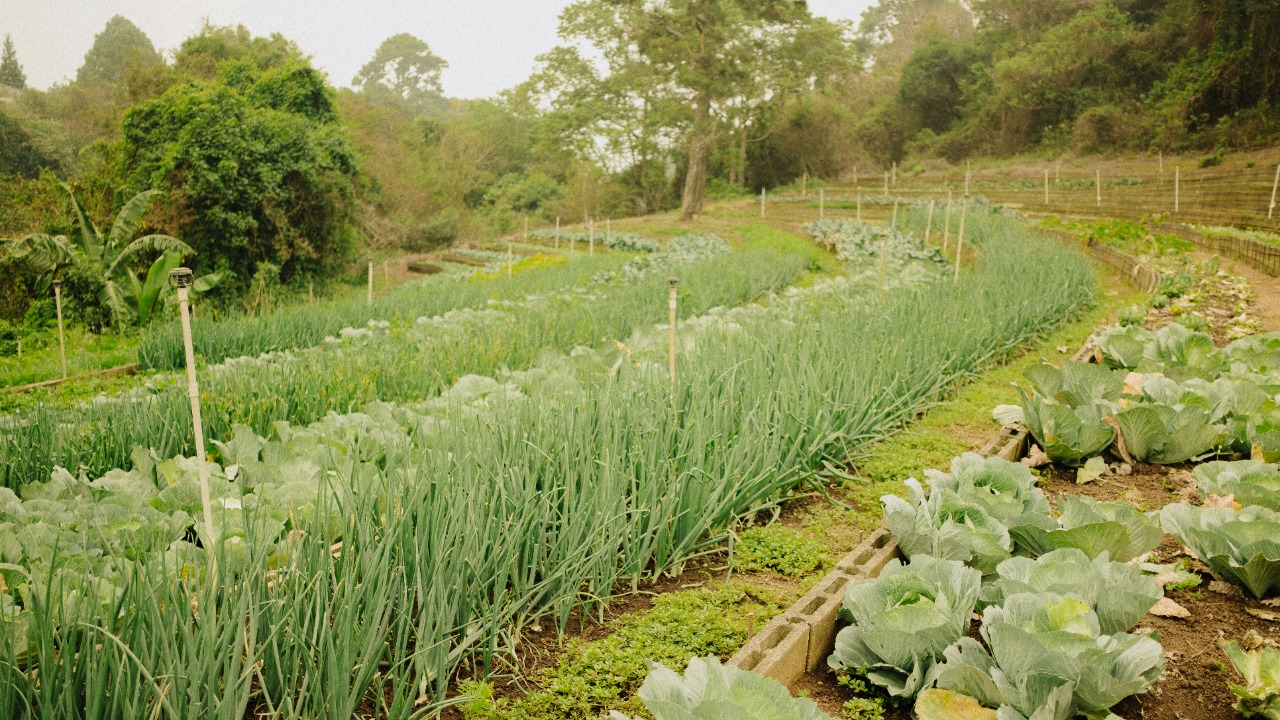
Growing organic microgreens is a brilliant strategy for small farms. These nutrient-dense plants are favored by health-conscious consumers and upscale restaurants. Microgreens are quick to grow, often ready for harvest in just a few weeks, and can be cultivated in small spaces, even indoors. This flexibility allows for year-round production, providing consistent income.
Success in microgreens production hinges on understanding the specific needs of each plant variety, from soil quality to light conditions. Furthermore, leveraging direct sales channels, such as farmers’ markets or local grocery stores, can enhance profitability by cutting out the middleman and building direct relationships with customers.
Beekeeping and Honey Sales
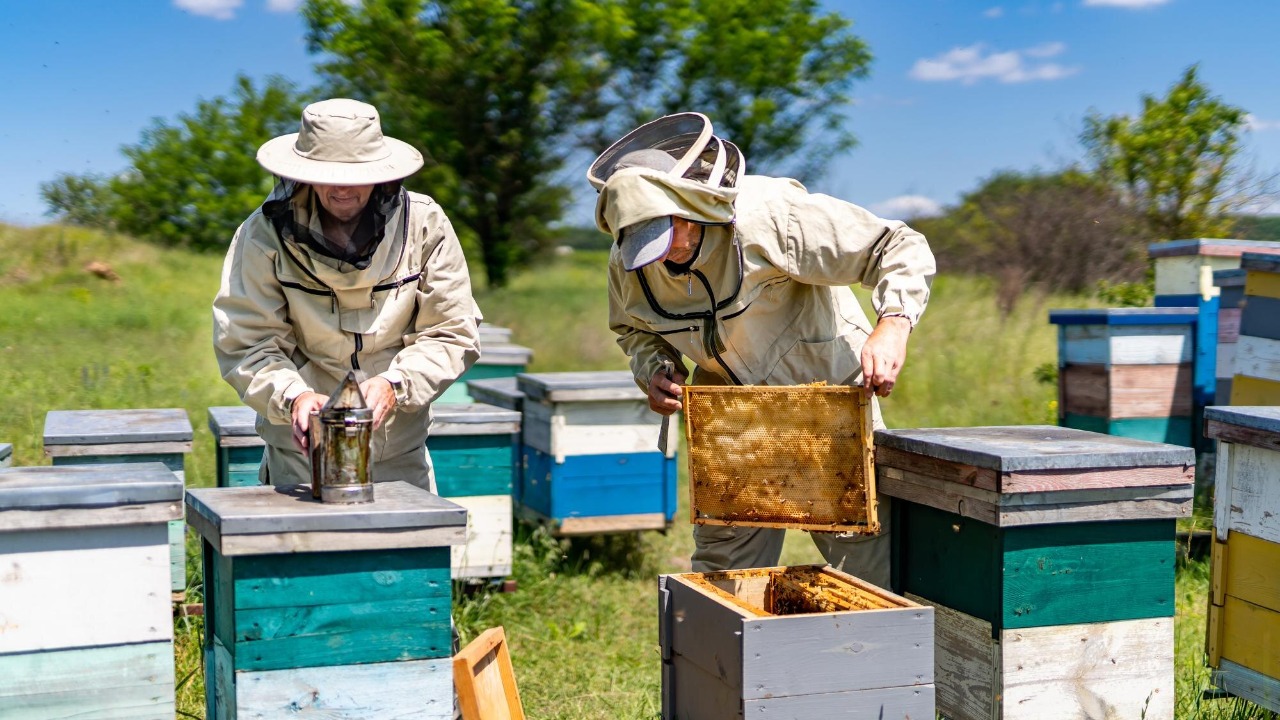
Beekeeping is an excellent small farm idea with multiple income streams. Besides producing honey, beeswax, and other bee-related products, you contribute to the essential process of pollination, benefiting the broader agricultural ecosystem. The initial investment in hives and equipment is relatively modest, and the demand for natural honey continues to rise.
To maximize returns, consider diversifying your offerings with flavored or creamed honey, beeswax candles, and pollen. Moreover, workshops or educational tours can provide additional revenue and increase community engagement with your farm.
Specialty Mushroom Cultivation

Specialty mushrooms, such as shiitake, oyster, and maitake, are high-value crops with a growing market in gourmet cooking and health foods. These fungi can be cultivated in controlled environments, making them ideal for small spaces. With proper setup, a small farm can produce a regular supply of fresh mushrooms for local markets or restaurants.
Investing in mushroom cultivation requires understanding the specific environmental needs of each mushroom type. With the right balance of humidity, temperature, and substrate, specialty mushrooms can thrive and provide a lucrative income source.
Heritage Poultry Farming
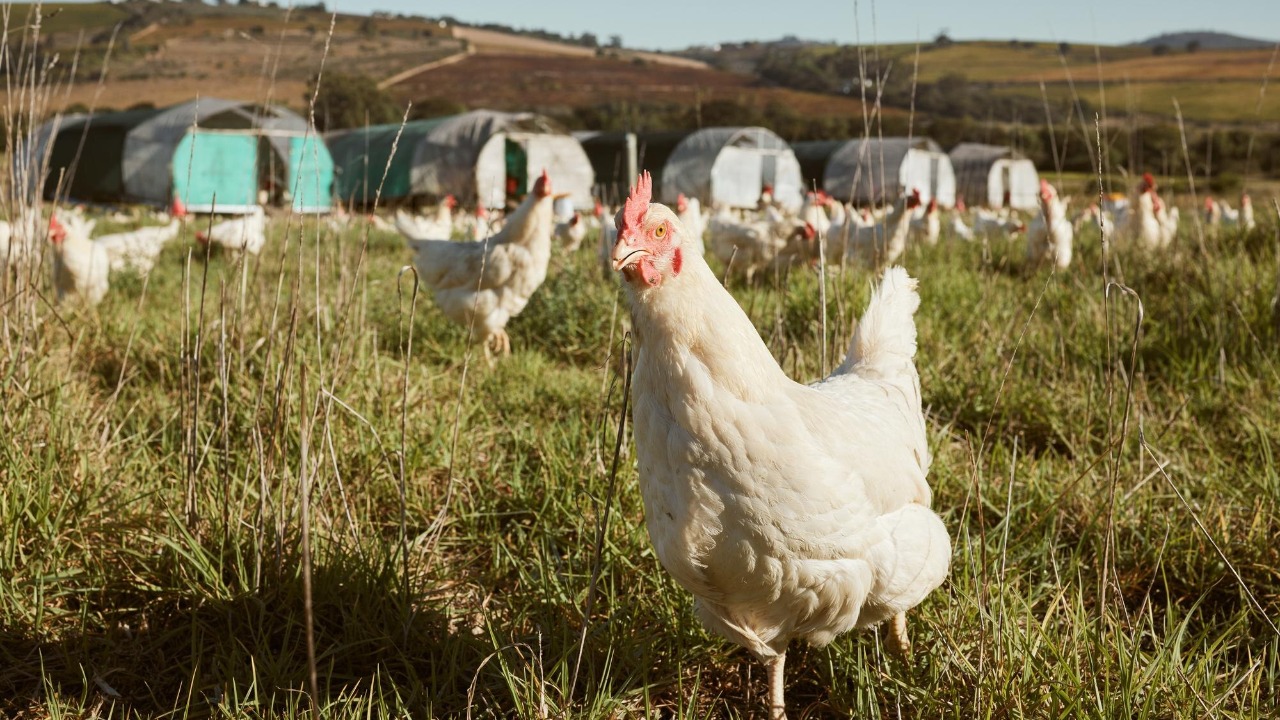
Heritage poultry breeds offer a unique niche in the market, appealing to consumers interested in sustainable and ethical food sources. These breeds, known for their flavor and quality, often fetch higher prices than conventional poultry. Raising heritage poultry requires a commitment to preserving genetic diversity and traditional farming methods.
By focusing on pasture-raised and organic practices, you can differentiate your products and build a loyal customer base. Additionally, selling breeding stock or offering farm tours can provide supplementary income and promote sustainable farming practices.
Lavender and Herb Farming

Lavender and herbs are versatile crops with applications in culinary, medicinal, and cosmetic industries. These plants are relatively easy to grow and require minimal maintenance, making them ideal for small farms. Lavender, in particular, is drought-tolerant and thrives in well-drained soil, reducing water usage and input costs.
Products such as essential oils, sachets, and dried herbs can be sold directly to consumers or at local markets. By expanding into value-added products, such as herbal teas or lavender-infused goods, you can further enhance your farm’s profitability.
Aquaponics and Hydroponics Systems

Aquaponics and hydroponics are innovative farming methods that allow for efficient use of resources. These systems can be set up in limited spaces and provide year-round production of vegetables and fish. Aquaponics, which combines aquaculture and hydroponics, creates a symbiotic environment where fish waste fertilizes plants, reducing the need for chemical fertilizers.
Setting up a hydroponic system involves a learning curve, but the potential for high yields and sustainable practices makes it an appealing option for small farmers. With increasing consumer interest in locally grown and sustainably produced foods, aquaponics and hydroponics offer promising avenues for profit.
Agritourism and Farm-Stay Experiences

Agritourism merges agriculture with tourism, creating unique experiences that attract visitors to rural areas. By offering farm-stay accommodations, workshops, and tours, you can diversify your income while educating the public about farming practices. This approach not only generates additional revenue but also fosters a deeper connection between consumers and agriculture.
Successful agritourism ventures focus on authenticity and providing memorable experiences, whether it’s through hands-on activities like planting or harvesting, or simply enjoying the tranquility of farm life. By promoting your farm as a destination, you can tap into the growing demand for rural tourism and sustainable travel.

Elias Broderick specializes in residential and commercial real estate, with a focus on market cycles, property fundamentals, and investment strategy. His writing translates complex housing and development trends into clear insights for both new and experienced investors. At The Daily Overview, Elias explores how real estate fits into long-term wealth planning.

