
Property taxes can significantly impact the overall cost of homeownership, influencing where people choose to live. Some states have managed to keep these taxes on the decline, offering homeowners a financial reprieve. Here are seven states where property taxes are consistently moving downward, making them attractive options for homeowners looking for relief.
Texas

Texas is known for its appeal to homeowners, partly due to its declining property taxes. The Lone Star State does not levy a state income tax, which is a significant draw for many. Despite this, Texas has managed to keep property taxes relatively low for homeowners, thanks in part to efficient budgeting at the state level. This is particularly beneficial in major cities like Houston and Dallas, where home prices can be steep.
Another factor contributing to the decrease in property taxes is the state’s growing economy, which generates revenue from other sources, reducing the dependence on property taxes. With a diverse economy and a favorable business environment, Texas continues to be a top choice for those looking to save on property taxes.
South Carolina

In South Carolina, property owners have seen a steady decline in property taxes, making it an attractive option for retirees and young families alike. The state offers a homestead exemption for residents over the age of 65, which further reduces the taxable value of their property, easing the tax burden significantly.
Additionally, South Carolina has a low cost of living, and the government has implemented policies to ensure that property tax increases are minimized. This approach has been successful in keeping property taxes at bay, contributing to the state’s growing popularity among new residents seeking financial relief.
Indiana

Indiana is another state where property taxes have been on a downward trend. The state has implemented property tax caps, which limit the amount that property taxes can increase each year. This has provided stability for homeowners, allowing them to plan their finances with more certainty.
Moreover, Indiana’s strong manufacturing sector and low unemployment rate contribute to a robust state economy, enabling the government to maintain low property taxes. With a mix of urban and rural areas, Indiana offers a range of housing options, all benefiting from the state’s favorable tax policies.
Colorado

Colorado’s property taxes are among the lowest in the nation, thanks to the state’s Gallagher Amendment, which limits increases in residential property taxes. This has helped keep housing costs manageable, even as the state experiences rapid growth and development.
Denver and Boulder have seen significant population increases, but the state’s tax policies ensure that property taxes remain competitive. The economic boom in sectors like technology and renewable energy has also contributed to Colorado’s ability to keep property taxes in check, benefiting both homeowners and the state economy.
Delaware
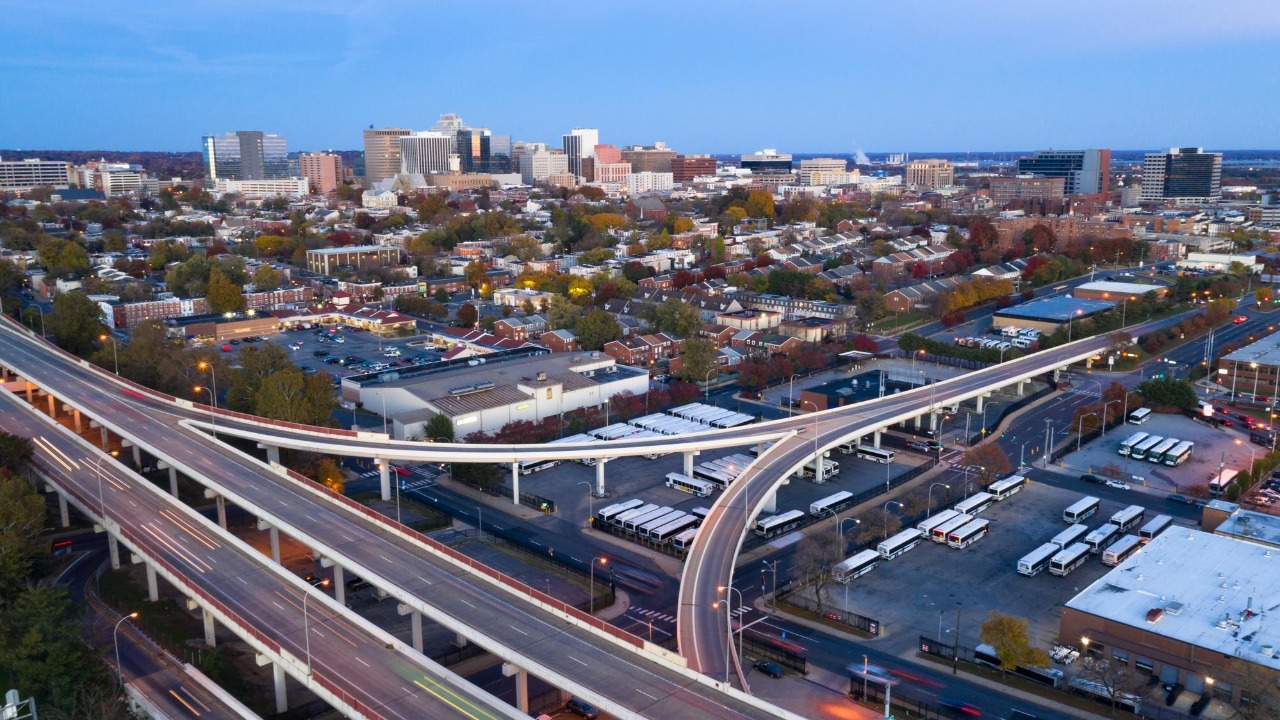
Delaware offers a unique advantage with its consistently low property taxes, providing an attractive option for those looking to save on yearly expenses. The state operates without a sales tax, relying instead on other revenue streams to fund public services.
The First State’s strategic fiscal policies have enabled it to maintain low property taxes, attracting new residents and businesses. With its proximity to major metropolitan areas like Philadelphia and Washington, D.C., Delaware offers the best of both worlds: low taxes and accessible urban amenities.
Wyoming
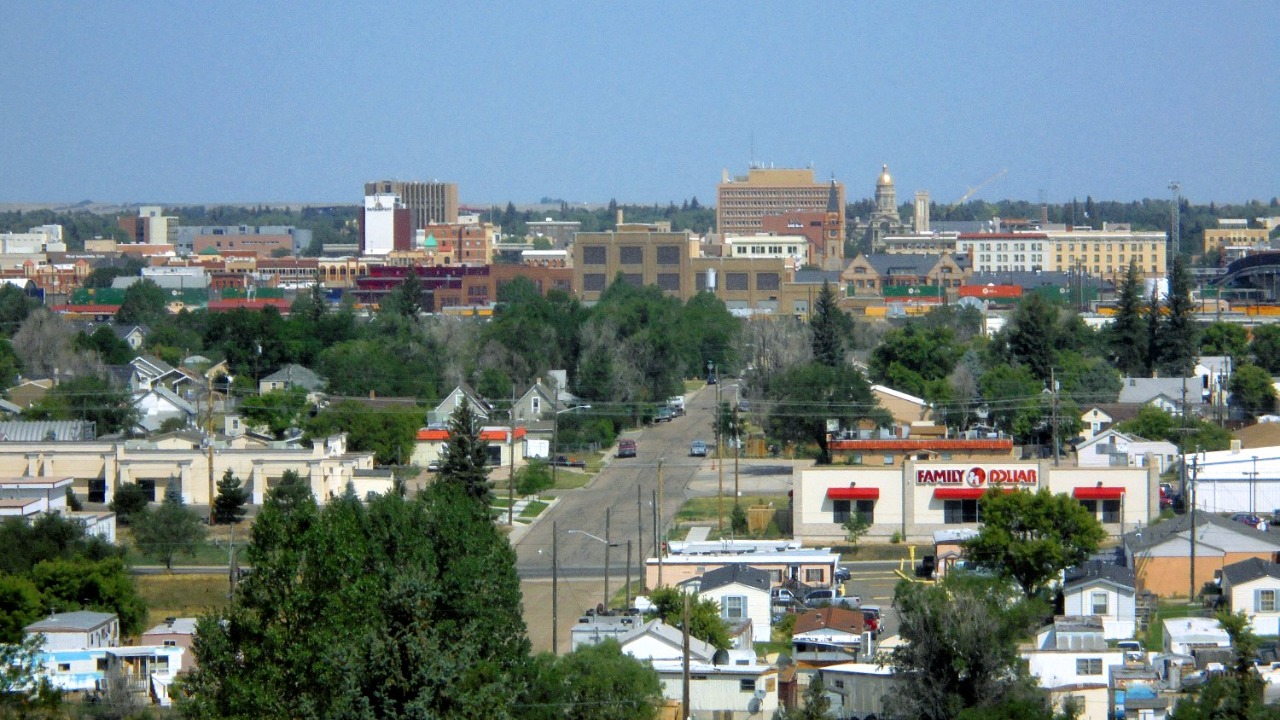
Wyoming is frequently cited as one of the most tax-friendly states, partly due to its low property taxes. The state’s economy relies heavily on natural resources, which provides substantial revenue without heavily taxing residents.
In addition to low property taxes, Wyoming also boasts no state income tax, making it a particularly appealing location for retirees and those seeking financial freedom. Vast open spaces and a relaxed lifestyle further add to Wyoming’s appeal as a place to call home.
Nevada

Nevada rounds out this list with its appealing tax structure, featuring low property taxes and no state income tax. The state has implemented measures to ensure that property tax rates do not increase dramatically, providing stability for homeowners.
Las Vegas and Reno are notable examples of cities where property taxes remain manageable despite the rapid growth and increasing property values. The state’s focus on tourism and entertainment provides significant revenue, allowing Nevada to maintain a favorable tax environment for residents.

Elias Broderick specializes in residential and commercial real estate, with a focus on market cycles, property fundamentals, and investment strategy. His writing translates complex housing and development trends into clear insights for both new and experienced investors. At The Daily Overview, Elias explores how real estate fits into long-term wealth planning.

