The ongoing trade war between the United States and China has intensified with the imposition of new tariffs, complicating trade negotiations as of August 1, 2025. This economic conflict, marked by a series of tariffs initiated by President Trump, has significantly impacted various sectors, leading to increased costs and disrupted supply chains. Among the most affected are eight key products that have seen substantial changes in their market dynamics due to these trade policies.
Soybeans
The imposition of tariffs on soybeans in 2018 marked a significant turning point in the US-China trade war. These tariffs were a retaliatory measure by China against US agricultural exports, which have historically been a vital component of the American economy. The economic fallout for US farmers has been severe, with many losing market share to competitors like Brazil. This shift is underscored by projections from a detailed analysis published on February 2, 2025, which highlights the broader trade impacts. As of August 1, 2025, the situation remains tense, with new tariffs further complicating stalled trade talks between the US and China.
Aircraft
The aircraft industry has not been spared from the effects of the trade war, particularly due to Section 301 tariffs on large civil aircraft. These tariffs have posed significant challenges for Boeing, a major US manufacturer, as it struggles to compete with Chinese manufacturers. The economic projections from the February 2025 analysis indicate that these tariffs have led to supply chain disruptions and increased costs for airlines, which are ultimately passed on to consumers. The aviation sector remains a contentious issue in ongoing US-China trade negotiations, with new tariffs continuing to be a flashpoint in diplomatic discussions.
Automobiles
The automobile industry has faced considerable challenges due to tariffs on imported auto parts and vehicles. These tariffs have increased production costs for US manufacturers who rely heavily on Chinese components. As a result, consumers have experienced higher vehicle prices, a trend illustrated in the economic effects analysis from February 2025. The introduction of new tariffs as of August 1, 2025, has further strained bilateral automotive trade negotiations, highlighting the ongoing difficulties in reaching a resolution.
Steel
The imposition of a 25% tariff on steel imports was one of the initial moves in the broader protectionist strategy under President Trump’s trade policies. This measure has had significant downstream effects on industries such as construction, where increased costs have been a notable consequence. The February 2025 projections provide a detailed look at these impacts, emphasizing the challenges faced by industries reliant on steel. The persistent tensions in US-China trade talks, exacerbated by new tariffs on metals, continue to pose challenges for both countries.
Aluminum
Aluminum tariffs, set at 10%, were introduced to target Chinese overproduction and have had widespread effects on various manufacturing sectors, including beverages and electronics. The February 2025 economic analysis charts highlight these ripple effects, showing how industries have had to adapt to increased costs. Aluminum remains a critical issue in ongoing trade disputes, with new tariffs as of August 1, 2025, playing a significant role in the current state of US-China negotiations.
Washing Machines
Specific tariffs on washing machines and their parts were implemented to counter Chinese dumping practices. These tariffs have led to price hikes for US households, as detailed in consumer goods impact charts from the February 2025 report. The household appliance sector continues to be a point of contention in trade discussions, with new tariffs influencing the dynamics of US-China negotiations as of August 1, 2025.
Solar Panels
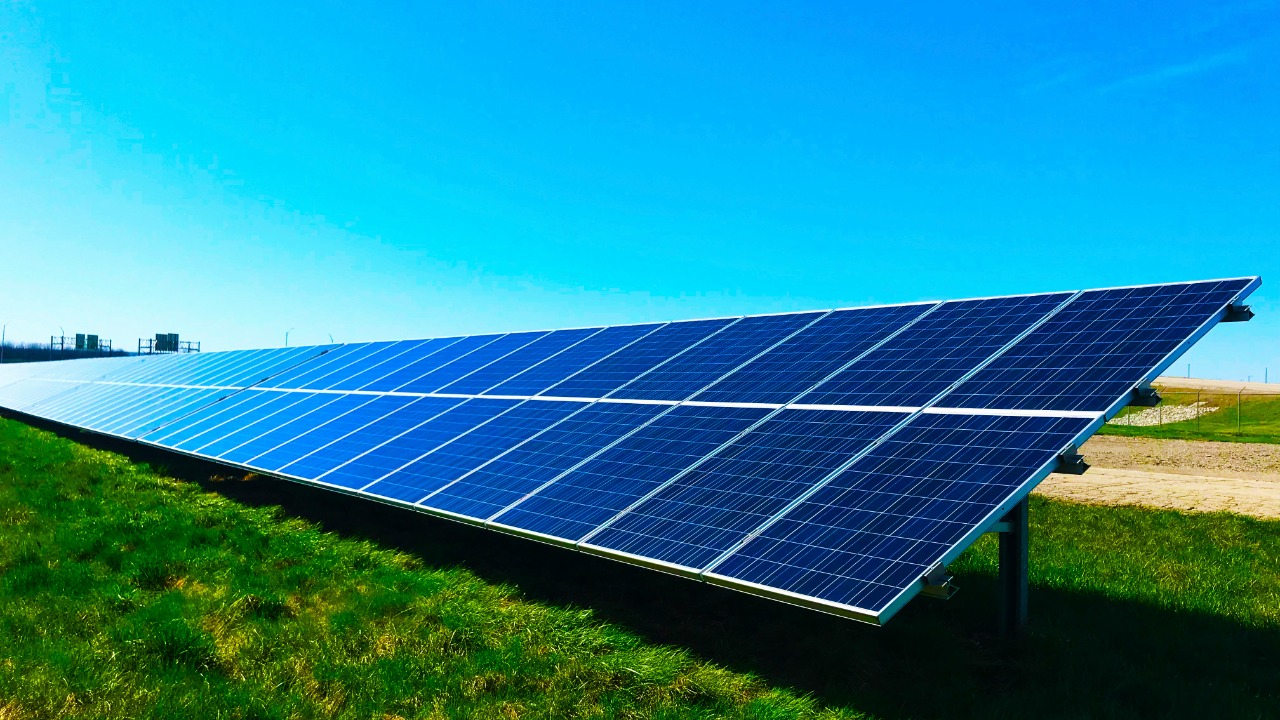
Tariffs on solar cells and modules have disrupted renewable energy supply chains, a significant concern during the trade war. The February 2025 analysis highlights how these tariffs have slowed down US solar installations due to increased costs. The clean energy sector remains a critical area of focus in trade talks, with new tariffs continuing to affect negotiations between the US and China.
Consumer Electronics
Broad tariffs on consumer electronics, including smartphones and laptops, have significantly impacted the tech industry. These products, heavily sourced from China, have seen price increases for end-users as companies adapt to the new economic landscape. The February 2025 economic effects analysis provides insights into these adaptations. Electronics remain a core sticking point in US-China trade talks, with new tariffs influencing the ongoing discussions as of August 1, 2025.

Grant Mercer covers market dynamics, business trends, and the economic forces driving growth across industries. His analysis connects macro movements with real-world implications for investors, entrepreneurs, and professionals. Through his work at The Daily Overview, Grant helps readers understand how markets function and where opportunities may emerge.

