
As economic cycles ebb and flow, preparing for a potential market downturn becomes crucial. Making smart financial moves now can safeguard your assets and provide peace of mind. Here are nine strategies to implement before the next crash.
Diversify Your Investment Portfolio
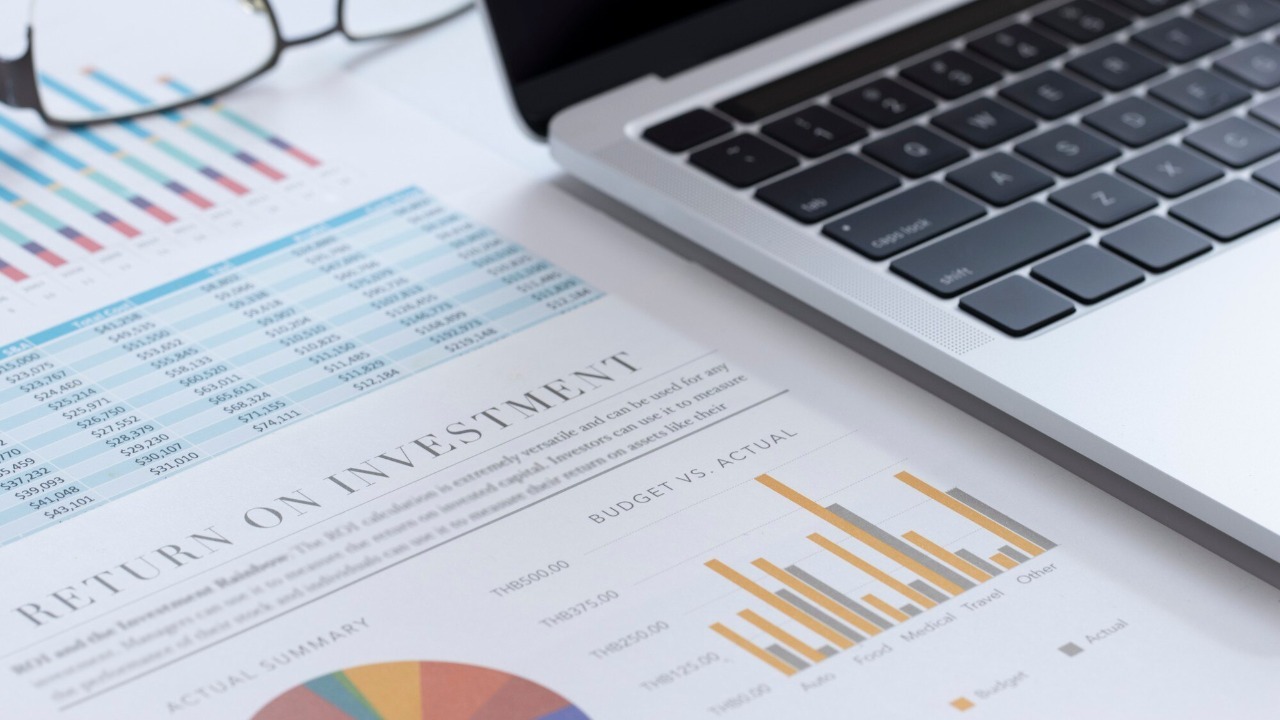
Diversification is a key principle of investing that aims to reduce risk by allocating capital across different asset classes. By spreading investments across stocks, bonds, and other vehicles, you mitigate the impact of a downturn in any single sector. Consider investing in ETFs that are designed to perform well in uncertain markets.
It’s essential to regularly review and rebalance your portfolio to ensure it aligns with your long-term financial goals. A well-diversified portfolio can provide stability and potential growth, even during market fluctuations.
Build an Emergency Fund

An emergency fund acts as a financial safety net during unforeseen circumstances, such as job loss or medical emergencies. Aim to save three to six months’ worth of living expenses in a liquid, easily accessible account.
By having an emergency fund, you can avoid dipping into long-term investments or incurring debt during tough times. This financial cushion provides peace of mind and helps you maintain stability when unexpected expenses arise.
Pay Down High-Interest Debt

High-interest debt can quickly become unmanageable, especially during economic downturns. Prioritize paying down debts with the highest interest rates first to reduce the overall cost of borrowing.
Eliminating high-interest debt frees up cash flow and reduces financial stress. Focus on making more than the minimum payments and consider consolidating debts to lower interest rates.
Reevaluate Your Risk Tolerance

As market conditions change, so might your risk tolerance. Assess your current financial situation and adjust your investment strategy to reflect your comfort level with risk. This may involve shifting to more conservative investments or maintaining a diversified portfolio.
Regularly reassessing your risk tolerance ensures your investment strategy aligns with your financial goals and current market conditions. For more insights, explore books that focus on preparing for market changes, such as this resource.
Increase Contributions to Retirement Accounts

Increasing contributions to retirement accounts like 401(k)s or IRAs can help secure your financial future. Take advantage of employer matches and consider maximizing your contributions to benefit from tax advantages.
Consistently contributing to retirement accounts, even during market downturns, can lead to substantial growth over time. The power of compounding interest can significantly enhance your retirement savings.
Review and Update Your Insurance Coverage

Insurance serves as a crucial part of managing financial risk. Regularly review your insurance policies to ensure adequate coverage for health, home, auto, and life insurance. Adjust your coverage as necessary to reflect changes in your personal circumstances.
Having the right insurance in place provides a financial safety net in case of unforeseen events, allowing you to focus on long-term financial planning without the fear of unexpected expenses.
Create a Budget and Stick to It

Creating and adhering to a budget is essential for managing personal finances effectively. A budget helps track income and expenses, ensuring you live within your means and prioritize savings.
Regularly reviewing and adjusting your budget can help identify areas for cost-cutting, allowing for increased savings and investment potential. Stick to your budget to maintain financial discipline and achieve your financial goals.
Consider Alternative Investments

Exploring alternative investments, such as real estate or commodities, can add diversity to your portfolio and provide a hedge against market volatility. These investments often have low correlation with traditional stocks and bonds.
Educate yourself about alternative investments to understand the risks and potential returns. Resources like Wealthsimple’s guide can offer valuable insights into navigating these options.
Stay Informed and Educated on Market Trends
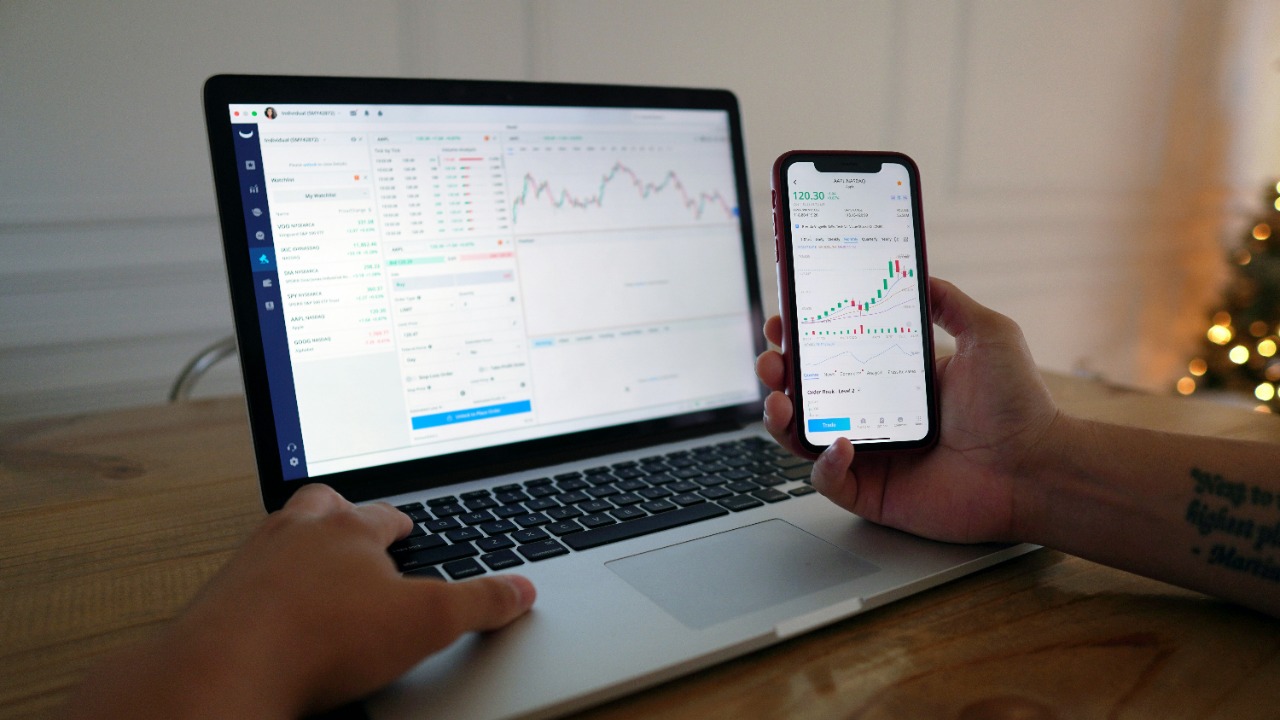
Keeping abreast of market trends and economic indicators helps make informed financial decisions. Regularly read financial news, attend webinars, or take courses to enhance your understanding of market dynamics.
Being well-informed allows you to anticipate changes and react proactively, rather than reactively. Consider exploring historical economic events, such as the 2008 financial crisis, to learn valuable lessons from the past.

Cole Whitaker focuses on the fundamentals of money management, helping readers make smarter decisions around income, spending, saving, and long-term financial stability. His writing emphasizes clarity, discipline, and practical systems that work in real life. At The Daily Overview, Cole breaks down personal finance topics into straightforward guidance readers can apply immediately.

