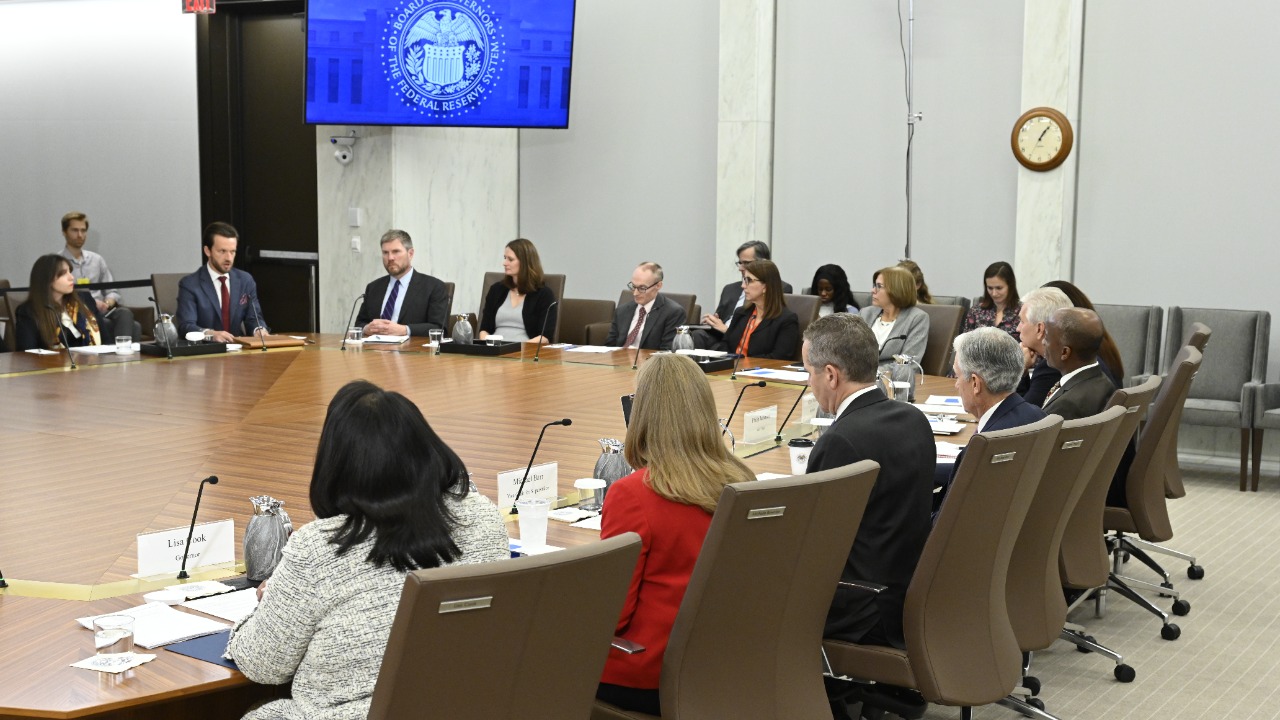
The Federal Reserve is edging toward a pivotal December decision that could reset the cost of money across the economy just as inflation progress shows signs of stalling. A growing camp of investors now warns that cutting too soon risks pouring fuel on an economy that is already running hot, turning a welcome reprieve on borrowing costs into the spark for the next inflation flare-up.
At stake is more than the level of the federal funds rate. The timing and pace of any December move will shape everything from mortgage rates and bank balance sheets to the price of bitcoin and the durability of the current expansion, forcing policymakers to weigh the lure of short-term relief against the danger of overheating.
The December Fed dilemma: relief now, risk later
The December Fed meeting is shaping up as a knife-edge call between easing financial conditions and preserving hard-won credibility on inflation. In a recent December Fed discussion, one investor warned that a rate cut at that meeting could actually “overheat” the United States economy, arguing that growth and labor demand remain too strong to justify easier money. That concern reflects a broader fear that cheaper credit would reignite speculative behavior in housing, equities, and corporate debt before inflation has convincingly returned to target.
Experts are far from unanimous, which is part of what makes December so consequential. Some Economists say the Federal Reserve’s decision on interest rates in December is essentially a toss-up, reflecting crosscurrents in growth, inflation, and financial markets. Analysts at Deutsch and other institutions see enough cooling in some sectors to justify a modest cut, yet they also acknowledge that the wrong signal at the wrong time could loosen conditions more than policymakers intend, especially if markets extrapolate a full easing cycle from a single move.
How lower rates can stoke an already warm economy
To understand why a December cut could be risky, it helps to revisit how rate reductions work when the economy is not in distress. Lower policy rates tend to stimulate activity by encouraging households to spend and businesses to invest, since cheaper borrowing reduces the hurdle for everything from auto loans to factory upgrades. Research from Rosenberg Research notes that this dynamic supports consumer demand and business expansion by lowering corporate lending rates, which is exactly what the Fed wants in a downturn but potentially hazardous when demand is already strong.
In an environment where unemployment is low and corporate profits are solid, that same stimulus can morph into excess. If households use lower credit card and mortgage rates to ramp up discretionary purchases, and companies respond with more hiring and capital spending, the result can be renewed price pressure rather than a gentle glide path to 2 percent inflation. That is the core of the overheating argument: a December cut would not be rescuing a weak economy, it would be adding momentum to one that still shows significant underlying strength.
Inflation, tariffs, and the risk of a policy misstep
The inflation backdrop complicates the case for an early pivot. Both Homkes and Sfeir, two economists who have closely followed the central bank’s strategy, argue that Chair Jerome Powell is right to be cautious about slashing rates while inflation risks remain elevated. They warn that if inflation were to reaccelerate and the Fed responded with aggressive cuts to stimulate the economy, the move itself could be inflationary, undermining the progress already made and forcing a more painful tightening later.
Tariff policy is another wild card that makes a December cut more fraught. A sweeping tariff package has already rattled financial markets, with Many investors and economists warning that higher trade barriers raise the risk of recession while also complicating the Fed’s effort to bring inflation down to its 2 percent target. Tariffs tend to push up import prices, which can feed directly into consumer inflation; layering a rate cut on top of that could send a confusing signal that the central bank is easing even as cost pressures from trade policy intensify.
Market signals: from bank stocks to bitcoin
Financial markets are already trading on expectations of what the Fed will do in December, and the signals are mixed. Bank shares have been hit particularly hard by the tariff shock, with U.S. bank stocks tumbling as investors reassess credit risk, loan demand, and the path of policy in light of the sweeping measures that Many fear could tip the economy toward recession. A December cut might offer some relief to bank funding costs, but it could also be read as confirmation that growth risks are rising, which would pressure earnings and credit quality.
Crypto markets tell a different story about policy expectations. The price of bitcoin has plunged amid a broader crypto selloff, and stubborn inflation has prompted some Fed officials to voice caution about further rate cuts. For digital assets that have often traded as high-beta bets on easy money, the prospect of an inflation-driven pause or a slower easing path is a clear headwind. At the same time, any hint that the central bank might still deliver a December cut is seen as a potential boon for firms and their investors that rely on cheap capital, underscoring how sensitive risk assets remain to even small shifts in the policy outlook.
The inflation data that could tip the scales
Ultimately, the December decision will hinge on the data, particularly the inflation readings that the central bank watches most closely. A recent report on the Fed’s preferred gauge showed that price pressures remained hotter than ideal, yet Friday’s inflation report was still seen as potentially paving the way for a rate cut as soon as the following week, which markets had already largely priced in. The catch is that even this favored measure has not been at a 2 percent annual rate since 2021, a reminder that the last mile of disinflation is proving stubbornly difficult.
That tension is why some analysts warn that a December cut could be premature. A detailed assessment from the Fed influence debate argues that a premature easing cycle could stoke inflation further, forcing policymakers into a policy reversal that would hurt bond investors and undermine the very stimulus intended to support growth. In that scenario, a December cut might buy a brief rally in stocks and credit, only to be followed by sharper hikes later if inflation refuses to cooperate.
What a mis-timed cut would mean for the broader economy
The risk of getting December wrong is not just theoretical. If the central bank cuts and inflation reaccelerates, it could validate the fears of Some market analysts who already suggest that the Fed will overreact to inflation and then prompt a recession, requiring it to reverse course. That kind of policy whiplash would be especially damaging for rate-sensitive sectors like housing, where homebuyers and builders base decisions on expectations of stable borrowing costs, and for corporate treasurers managing large debt loads.
On the other hand, holding rates too high for too long carries its own dangers, from weaker job growth to rising default rates among heavily leveraged firms. The central challenge for the Federal Reserve in December is to calibrate policy so that it neither locks in unnecessarily tight conditions nor unleashes a new wave of inflationary pressure. With investors openly warning that a December cut could overheat the economy, and with inflation, tariffs, and market volatility all in play, the margin for error is unusually thin.
More From TheDailyOverview
- Tennessee loses $2.6B megafactory and faces major layoffs
- Retired But Want To Work? Try These 18 Jobs for Seniors That Pay Weekly
- What to do with your pennies after the U.S. stops minting them
- Home Depot CEO warns of a troubling customer trend in stores

Grant Mercer covers market dynamics, business trends, and the economic forces driving growth across industries. His analysis connects macro movements with real-world implications for investors, entrepreneurs, and professionals. Through his work at The Daily Overview, Grant helps readers understand how markets function and where opportunities may emerge.

