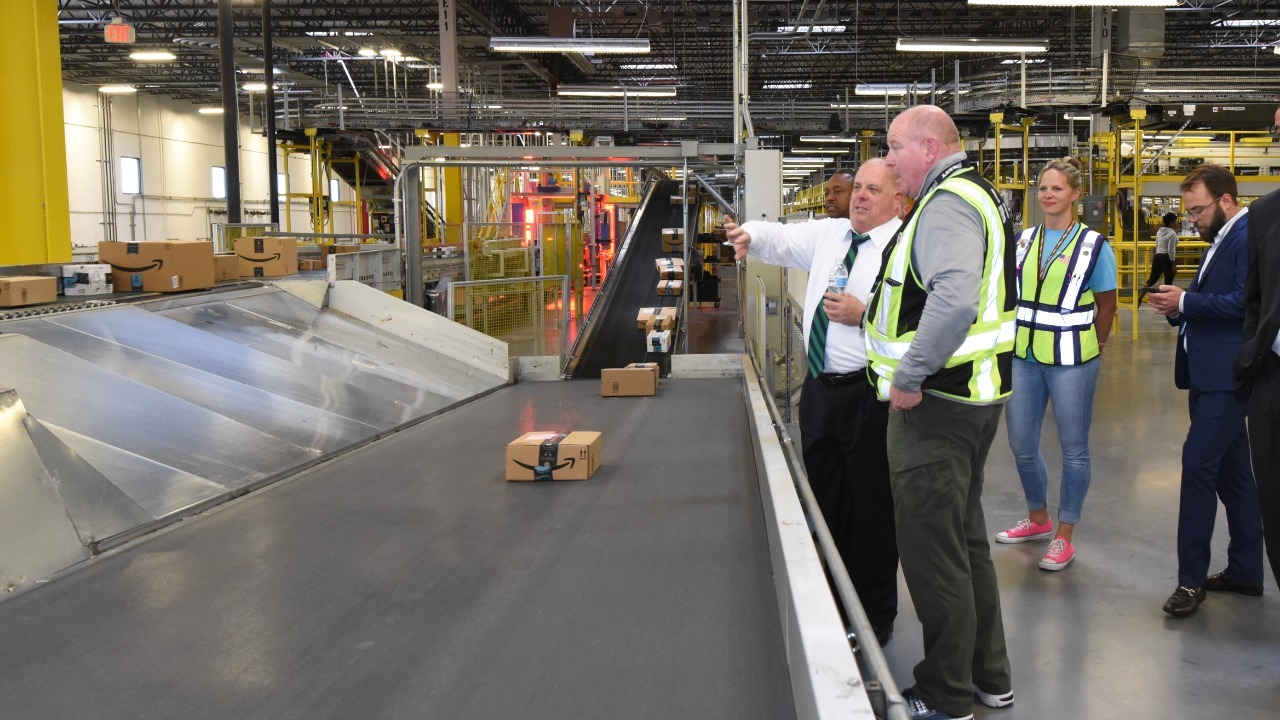
Amazon is embarking on one of its most sweeping internal shake ups in years, cutting thousands of jobs across multiple divisions and scrapping a planned $3.4 billion hub project in Arkansas. The moves signal a decisive shift from the company’s long era of aggressive expansion toward a more austere, efficiency driven phase that is already rippling through local economies and the broader tech labor market.
As the company trims roughly 4,100 roles and walks away from a multibillion dollar investment, workers, city officials, and investors are all being forced to reassess what Amazon’s next chapter will look like, and how much faith they can place in its long term promises. The stakes are especially high in communities that had banked on Amazon as an anchor employer and in white collar teams that once seemed insulated from the kind of cuts now hitting “across the company.”
The scale of Amazon’s latest cuts
The headline number, about 4,100 jobs, captures only part of the story of how deep this restructuring runs inside Amazon. The reductions are not confined to a single troubled product or a niche experimental unit, but instead stretch across corporate functions, operations, and support roles that had grown rapidly during the pandemic era. Internal signals and external reporting describe a coordinated effort to pare back headcount in areas where revenue growth has slowed or automation has started to replace routine work.
Multiple sources cited by Per HR Grapevine and Fortune have described the cuts as part of a broader plan that touches teams “across the company,” rather than a narrow cost saving exercise in one business line. That framing matters for employees who once assumed that core roles in logistics, cloud infrastructure, or retail merchandising were relatively safe from cyclical layoffs. It also underscores how much Amazon’s leadership is recalibrating its workforce to match a slower, more mature growth profile after years of hiring ahead of demand.
A $3.4 billion Arkansas hub that will not be built
The decision to cancel a $3.4 billion hub in Arkansas marks a sharp reversal for a company that has spent the past decade promising transformative investments to cities hungry for jobs and tax revenue. The Arkansas project, pitched as a major logistics and operations center, had been expected to anchor new infrastructure, attract suppliers, and create a long pipeline of warehouse, transportation, and support positions. Pulling the plug at this scale sends a clear signal that Amazon is no longer willing to greenlight every large scale facility that once looked attractive on a growth map drawn in more optimistic times.
For Arkansas, the cancellation is more than a lost construction site. State and local leaders had treated the $3.4 billion hub as a cornerstone of their economic development strategy, anticipating not only direct employment but also secondary benefits such as housing demand, small business growth, and improved transportation links. With the project now shelved, those expectations have been abruptly reset, leaving questions about whether other logistics or manufacturing players will step in to fill the gap or whether the region will need to rethink its reliance on a single marquee employer.
Economic fallout for workers and communities
The combination of 4,100 job cuts and the loss of a multibillion dollar facility lands hardest on workers who had built their careers around Amazon’s growth narrative. Employees in affected teams face a labor market that is still absorbing earlier rounds of tech and retail layoffs, while warehouse and operations staff in Arkansas and elsewhere must now weigh whether to wait for new opportunities or relocate in search of more stable work. Severance packages and internal transfer options can soften the immediate blow, but they do not fully replace the long term security many had associated with a company of Amazon’s scale.
Communities that had aligned their planning with Amazon’s footprint are also confronting a more uncertain future. Municipal budgets that had penciled in future property and sales tax revenue from the Arkansas hub will need to be revised, potentially affecting everything from school funding to infrastructure upgrades. Local colleges and training programs that tailored curricula to Amazon’s anticipated needs may now find themselves with cohorts of graduates whose skills are finely tuned to roles that no longer exist in the numbers once promised. The ripple effects extend beyond direct employees to contractors, small logistics firms, and service businesses that had counted on Amazon related demand.
Why Amazon is tightening its belt
Behind the job cuts and project cancellations lies a strategic recalibration shaped by slower e commerce growth, rising costs, and investor pressure for higher margins. Amazon expanded aggressively during the pandemic, building out fulfillment centers, hiring at a rapid clip, and investing heavily in experimental initiatives. As consumer behavior has normalized and borrowing costs have climbed, the company is now scrutinizing every major outlay, from new hubs to headcount in support functions that no longer match current revenue trajectories.
Internal cost discipline is also being driven by competition in core businesses such as cloud computing and online retail, where rivals are pushing prices down even as infrastructure expenses remain high. In that environment, a $3.4 billion hub in Arkansas becomes a more difficult proposition to justify if demand forecasts soften or if automation and route optimization can squeeze more capacity out of existing facilities. The 4,100 job cuts fit into the same logic, trimming roles that leadership believes can be consolidated, automated, or shifted to lower cost locations without undermining key strategic priorities.
Trust, transparency, and Amazon’s next chapter
As Amazon reshapes its footprint, the way it communicates these decisions will influence how much trust it retains among employees, local governments, and the public. Reports that an Amazon spokesperson, Kelly Nantel, offered no comment when asked about the planned cuts highlight a communications strategy that leans toward silence at precisely the moment stakeholders are seeking clarity. For workers facing layoffs and communities absorbing the loss of a $3.4 billion hub, the absence of detailed explanations can deepen frustration and fuel perceptions that the company treats people and places as interchangeable line items.
Looking ahead, I see Amazon at a crossroads between a legacy defined by relentless expansion and a future in which discipline and selectivity shape every major move. The decision to cut 4,100 jobs and cancel the Arkansas hub suggests that the company is willing to sacrifice short term goodwill to protect its balance sheet and strategic flexibility. Whether that trade off pays off will depend on how effectively Amazon can redeploy its remaining resources into growth areas, how candid it is with those affected by its retrenchment, and how quickly communities and workers can adapt to a world where even the biggest tech employers no longer guarantee unbroken growth.
More From TheDailyOverview
- Tennessee loses $2.6B megafactory and faces major layoffs
- Retired But Want To Work? Try These 18 Jobs for Seniors That Pay Weekly
- What to do with your pennies after the U.S. stops minting them
- Home Depot CEO warns of a troubling customer trend in stores

Grant Mercer covers market dynamics, business trends, and the economic forces driving growth across industries. His analysis connects macro movements with real-world implications for investors, entrepreneurs, and professionals. Through his work at The Daily Overview, Grant helps readers understand how markets function and where opportunities may emerge.

