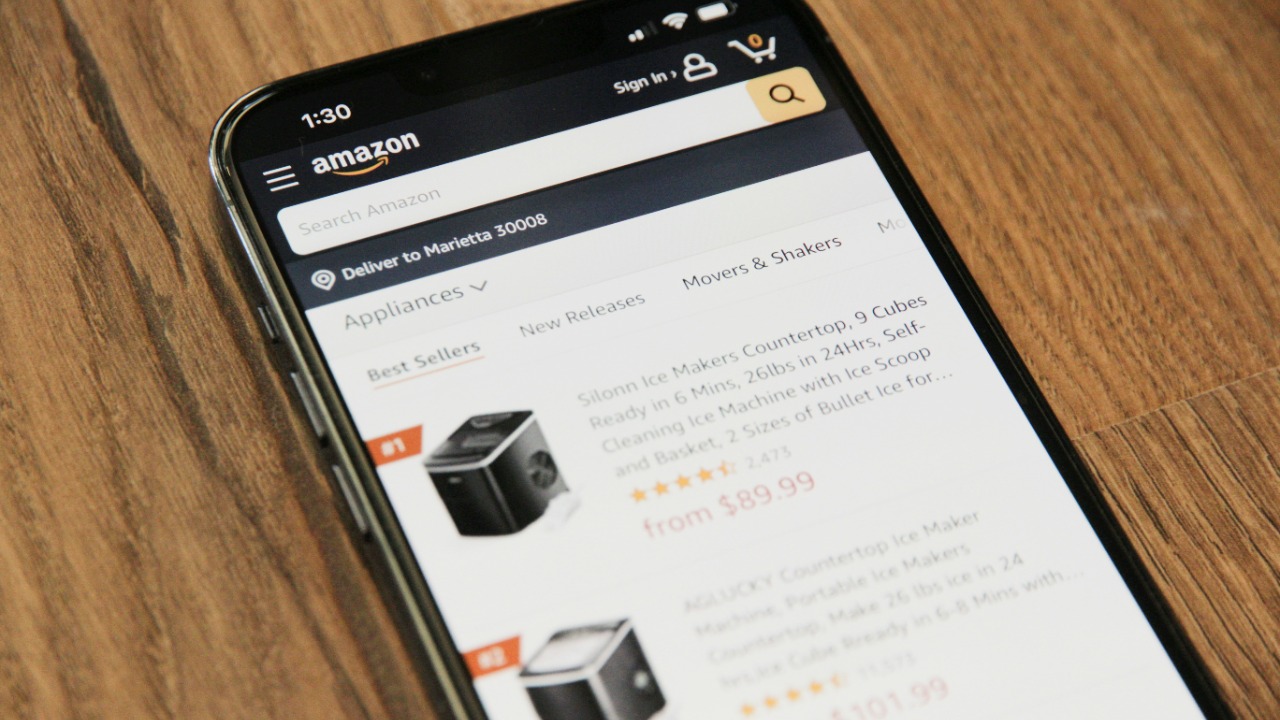
Amazon’s latest experiment with artificial intelligence was supposed to make shopping effortless, but instead it has ignited a revolt among the very merchants whose products it keeps pulling in. Independent retailers say the company’s automated agents are scraping their sites, rebuilding their catalogs on Amazon, and even continuing to surface products from sellers they have explicitly tried to avoid, leaving them feeling hijacked rather than helped. The result is a bitter clash over consent, data ownership, and who really controls where a small business’s goods appear online.
At the center of the storm is a set of AI “shopping agents” that promise to find any product a customer wants, even if that item is not already listed on Amazon. In practice, merchants say, the system behaves like an overeager buyer that keeps placing orders with suppliers they have blacklisted, then shrugs when those relationships blow up. The anger is not just about surprise listings, it is about an automated infrastructure that appears to treat other people’s storefronts as raw material.
How Amazon’s ‘Buy For Me’ agents actually work
Amazon has been quietly testing what it calls the Buy For Me feature for some shoppers in the United States, pitching it as a way to “find any product they want” even when that product is not in the marketplace’s existing catalog. Instead of relying only on traditional listings, the system uses experimental AI agents to crawl external websites, identify items that match a customer’s request, and then generate new Amazon listings that route orders back through those outside retailers. In theory, it is a clever way to close gaps in selection without forcing every merchant to sign up first.
In practice, those AI agents have been operating like autonomous sourcing managers, pulling in products from retailers who never opted in and in some cases had deliberately chosen not to work with Amazon at all. Reporting on the tests describes how Amazon.com Inc used these tools to scrape independent sites and list their goods without the owners’ knowledge or consent, effectively turning unwilling partners into just another node in its logistics network. When the AI misreads a product page or misprices an item, the fallout lands on the merchant whose brand is suddenly represented on a platform they never agreed to join.
Merchants say their sites were scraped and their brands hijacked
The backlash has been sharpest among smaller online retailers who built their businesses around staying off Amazon, only to discover that the company’s AI had dragged them in anyway. Some of these merchants say they made a conscious decision to avoid the marketplace, often because they feared losing control over pricing, customer relationships, or brand positioning, yet the way the new agents work has left them listed there regardless. One account describes how Some retailers only learned they were on Amazon when confused customers started asking about orders they had never directly received.
For these businesses, the problem is not just surprise exposure, it is the sense that their catalogs have been copied into a system they cannot meaningfully control. Over 180 small businesses have reported that their products appeared on Amazon without consent, with some complaining that details like dimensions, materials, or shipping terms were wrong. Another report notes that Amazon’s AI tools listed products from over 180 retailers without consent, sometimes showing incorrect information that raised copyright and trust concerns. When those inaccuracies lead to bad reviews or returns, it is the original merchant’s reputation that takes the hit.
Consent, opt-outs and the ‘banned seller’ problem
Amazon insists that participation is voluntary and that businesses can opt out at any time, but the mechanics of that promise have become a flashpoint. The company has said that retailers who do not want their products surfaced by the AI can email a dedicated address, with the assurance that removals happen promptly once a request is received. One detailed account notes that, Crucially, Amazon says businesses can opt out by contacting branddirect@amazon.com, framing this as a safeguard against unwanted listings.
From the merchants’ perspective, that opt-out looks less like a safeguard and more like a forced enrollment followed by a bureaucratic escape hatch. Several independent sellers argue that consent should be explicit and up front, not something they have to claw back after the AI has already scraped their sites and created live offers. Critics also point out that the system can keep reintroducing products from retailers who thought they had cut ties, a dynamic that feels to them like an automated buyer that keeps returning to banned sellers. When those merchants complain, they are told to trust a process that only starts after the damage is done.
Data ownership, scraping hypocrisy and legal risk
Behind the immediate anger sits a deeper argument about who owns the digital exhaust of a modern retail business. Merchants whose catalogs were ingested by the AI say they never agreed to let Amazon treat their product pages as training data or inventory feeds, and they see little difference between this behavior and the scraping practices that big tech companies often denounce. One analysis notes that Amazon is facing pushback from online retailers who say their products were listed without permission, feeding a broader debate over data ownership and whether consent should be secured before any scraping happens.
The charge of hypocrisy has been especially pointed because Amazon is simultaneously suing AI rivals for scraping its own content while relying on similar techniques to power its shopping agents. Reporting highlights that Amazon is under increasing scrutiny for suing other AI firms over scraping while its own tools list small businesses without consent, a tension that could invite regulatory attention. Industry observers warn that if courts or lawmakers decide that copying entire catalogs into an AI-driven marketplace crosses a legal line, the company could face not just reputational damage but also claims tied to copyright, misrepresentation, and unfair competition.
A double standard in how Amazon treats AI agents
The controversy arrives at a moment when Amazon has been aggressively policing how others use its data, even as it leans on AI to expand its own reach. On one side, the company has argued that scraping its marketplace to train rival models is a violation of its rights and a threat to its business. On the other, it is deploying its own agents to roam the open web, pulling in product information from independent sites and turning that into listings that benefit its ecosystem. One detailed account notes that the uproar over these AI shopping agents lands at an awkward time for Amazon, because the company has been aggressively challenging similar behavior by others.
For small retailers, that looks like a classic double standard. They see a giant platform that insists on strict control over its own data while treating their product pages as fair game for automated ingestion. Trade groups and ad industry observers have already flagged that Amazon faces claims of unauthorised indie listings that are eroding trust and harming those businesses, and they warn that this kind of agentic AI could reshape e‑commerce power dynamics if left unchecked. As I see it, the core question is whether AI agents should be allowed to treat every public product page as a potential inventory source, or whether consent and reciprocity need to be baked into the rules of the game.
What happens next for Amazon and its furious merchants
Amazon has tried to calm the situation by reiterating its support for small businesses and emphasizing that the AI tools are still in testing, but the damage to trust may be harder to roll back. The company has stressed in multiple statements that Amazon pitched the services as optional and that retailers can choose not to participate, yet the lived experience of those who discovered unauthorized listings suggests the default settings favor Amazon’s growth over merchant control. If the company wants to avoid a broader regulatory and legal backlash, it may need to move from opt-out to genuine opt-in, with clear contracts rather than quiet scraping.
For now, independent sellers are left weighing whether to fight, adapt, or reluctantly embrace a system that keeps pulling them in. Some will push for stronger rules around scraping and AI agents, others will try to use the visibility to their advantage, and a few may simply shut off public access to their catalogs to avoid being harvested again. As more merchants speak out about how Amazon has irked them with listings created without their knowledge or consent, the pressure will grow for clearer norms on what AI is allowed to buy, copy, and resell on their behalf. The next phase of e‑commerce will be shaped not just by what these agents can technically do, but by whether merchants trust the platforms that deploy them.
More From TheDailyOverview

Grant Mercer covers market dynamics, business trends, and the economic forces driving growth across industries. His analysis connects macro movements with real-world implications for investors, entrepreneurs, and professionals. Through his work at The Daily Overview, Grant helps readers understand how markets function and where opportunities may emerge.

