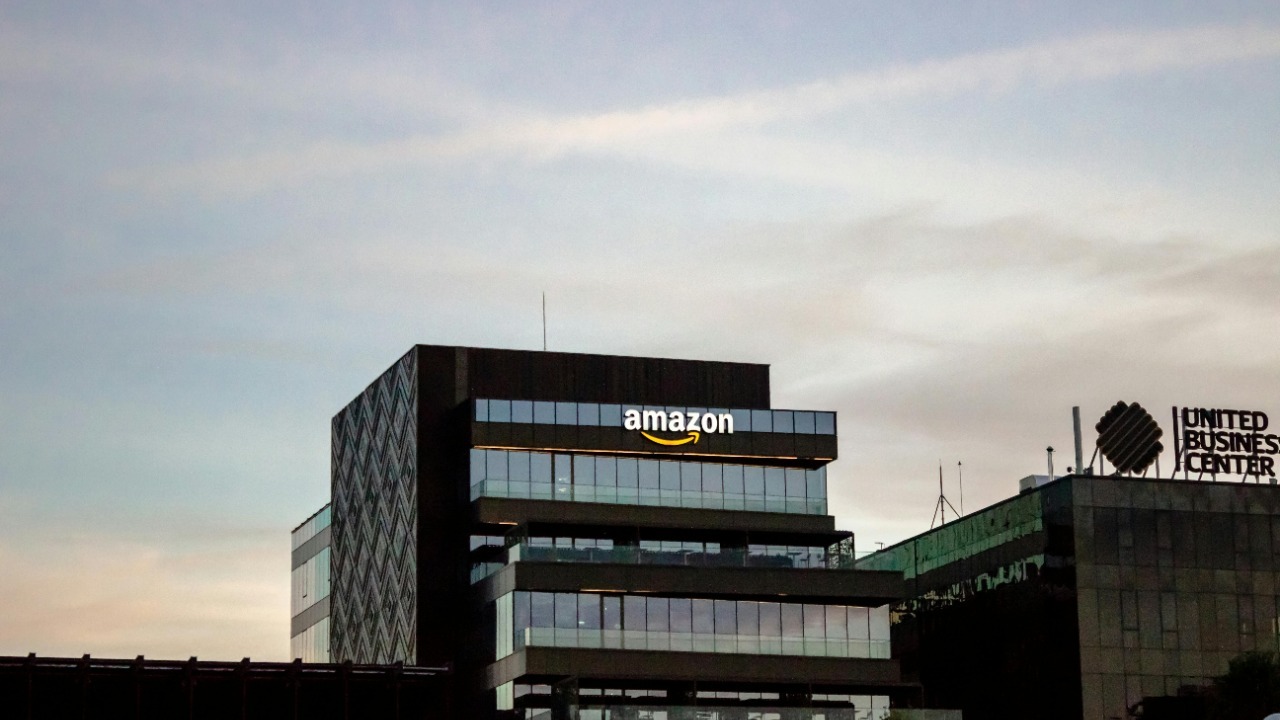
Amazon’s latest delivery push is turning speed into the defining fault line of modern retail, forcing Walmart and every other major seller to rethink how quickly they can move a product from shelf to doorstep. What began as a battle over two day shipping has become a contest measured in minutes, drones, and dense local networks that blur the line between store and warehouse. The result is a logistics arms race that is reshaping where retailers invest, how they use data, and which partners they can afford to rely on.
As Amazon pours billions into faster fulfillment, Walmart is leaning on its vast store base to keep pace, while smaller rivals quietly retreat from copycat ambitions that proved too expensive. The pressure is no longer just about matching Prime, it is about surviving in a market where shoppers are being trained to expect near instant gratification as the default.
Amazon’s delivery blitz rewrites the speed baseline
Amazon is using its balance sheet to reset what “fast” means in ecommerce, and that escalation is the starting point for the pressure everyone else now feels. The company has been ramping up logistics to Speed Delivery and Reduce Costs, building out its own transportation network so it is less dependent on carriers and better able to undercut rivals such as Walmart, Shein and Temu. Earlier analysis of the network showed Amazon operating 553 US package delivery stations, a footprint that lets it push next day and same day service into suburbs and smaller cities that once waited several days for online orders, and that scale is now the baseline competitors must match.
The company is not stopping at incremental gains. In rural and small town America, Amazon has highlighted how it is Investing over $4 to triple the size of its delivery network by the end of 2026, part of a broader push it describes as Innovating for faster deliveries. On top of that, the company is rolling out Amazon Now, a service that, at its core, is about speed and frequency, Unlike traditional Prime that optimizes for next day or two day fulfillment. By treating ultra fast delivery as upside rather than a business dependency, Amazon can experiment aggressively without needing every order to justify the cost, a luxury few rivals share.
Walmart’s counterattack: stores, drones and speed parity
Walmart is not conceding the speed narrative, and in some ways it has already flipped it. Research from Nov and CIRP’s Amazon Report indicates that Walmart.com customers get their purchases faster than Amazon customers on average, thanks to curbside pickup fulfillment and the ability to treat thousands of stores as mini warehouses. Another Nov analysis found that for all of Amazon’s accomplishments in shipping speed, most Walmart.com customers still receive orders faster, a gap driven by Product mix and the way Walmart routes local inventory.
To keep that edge as Amazon tightens its own network, Walmart is turning to new modes of delivery. The retailer has moved to expand its drone program, with reports that Walmart will expand its drone delivery to new cities early next year following Amazon’s ultra fast rollout, a clear signal that it sees aerial options as more than a marketing stunt. In parallel, the company is partnering with Wing, which plans to provide air delivery service at 270 Walmart stores by the end of 2027, a scale that could reach 40 million Americans according to Geo News Digital Desk. By layering drones on top of curbside pickup and same day delivery from stores, Walmart is trying to match Amazon’s blitz without building a parallel network from scratch.
From retailer to agent: AI and the next phase of competition
Speed is no longer just a logistics problem, it is increasingly an AI problem, and here Amazon’s delivery blitz is forcing rivals to rethink their software as much as their trucks. Analysts describe how Retail competition is shifting to a race to compress time, using advanced AI into shopping interfaces so that product discovery, purchase and delivery feel almost continuous. In this framing, the winner is not just the company that can move a box fastest, but the one that can anticipate demand, route inventory preemptively and surface the right item before a shopper even finishes typing.
That logic is pushing both Amazon and Walmart toward what some call The Next Frontier of Agentic AI and Commerce. Reporting on this shift notes that Next Frontier of is a move where, While Amazon and Walmart are competing fiercely, the more consequential battle may not be between them at all, but between traditional retailers and AI agents that act on behalf of consumers. In that world, the platform that controls the agent can steer orders toward whichever network is fastest and most reliable, turning delivery performance into a kind of invisible bidding war behind every voice command or chatbot request.
The last mile squeeze on everyone else
For smaller retailers and brands, Amazon’s delivery blitz and Walmart’s response are raising the bar in ways that are hard to match. Logistics specialists warn that Dec What used to be just the final step in the supply chain has become a complex, tech heavy last mile that demands real time visibility, flexible carrier networks and secure by design systems. At the same time, European analysis urges retailers to Think of delivery companies like the plumbing in your house, a reminder that relying on a single carrier leaves businesses exposed when parcel markets shift, as they have for healthcare and small or medium businesses.
Some merchants that once tried to mimic Amazon’s footprint are now pulling back. A detailed look at warehousing trends argues that in 2026 the winners will be the retailers and brands that master disciplined execution, prioritizing Right sized networks instead of oversized facilities that cannot flex up and down without crushing fixed costs. That retrenchment is happening just as parcel giants adjust their own exposure to Amazon, with UPS planning to cut Amazon deliveries by over 50% by June 2026 to boost overall profitability. When a carrier of that scale steps back from low margin Amazon volumes, it signals a tougher environment for any retailer that lacks its own fleet and must fight for capacity on shared networks.
Thirty minute promises and the future of physical retail
The most visible expression of this arms race is the push toward 30 minute delivery, a promise that sounds like science fiction but is quickly becoming a benchmark in urban markets. Analysts note that Amazon and Walmart are racing to see who can get stuff to shoppers’ doorsteps the fastest, while Other companies that tried similar ultra fast models have struggled to make the economics work. That tension raises a central question for investors and rivals alike: is 30 minute delivery overhyped or under appreciated, and will consumers pay enough, directly or indirectly, to sustain it at scale.
At the same time, Amazon is experimenting with physical formats that could double as fulfillment hubs for this ultra fast future. Reporting on its brick and mortar strategy describes how Amazon plans to open its largest ever retail store in Orland Park, a big box location that signals a new phase in how the company blends online and offline. A separate Jan discussion of this strategy argues that if a shopper can drop off online returns, grab groceries and pick up a package in one trip, that is compelling, but the traffic and operational complexity are real constraints, as highlighted in Jan. For brands and smaller chains watching from the sidelines, the broader message is clear: as Amazon and Walmart turn delivery speed into a core part of their identity, everyone else must decide whether to plug into their networks, specialize in niches they ignore, or risk being judged by a standard they cannot afford to meet.
More From The Daily Overview
*This article was researched with the help of AI, with human editors creating the final content.

Grant Mercer covers market dynamics, business trends, and the economic forces driving growth across industries. His analysis connects macro movements with real-world implications for investors, entrepreneurs, and professionals. Through his work at The Daily Overview, Grant helps readers understand how markets function and where opportunities may emerge.

