Americans are being steered to bitcoin ATMs by scammers posing as bank staff, government agents, or tech support, then drained of their savings in minutes. Federal data and state consumer alerts show that reported losses tied to these machines are already in the hundreds of millions of dollars over the last few years, and regulators warn that the true harm is likely higher because many people never file a complaint.
These scams are not high-tech Hollywood hacks. They rely on pressure, fake authority, and the growing visibility of kiosks that now sit in gas stations, grocery stores, and corner shops. Understanding how these schemes work — and what the latest federal numbers actually say — is the first step to avoiding the deep financial hole scammers are trying to dig under American consumers.
What the official numbers actually show
Public debate about bitcoin ATM fraud is already racing ahead of the data, with some commentators tossing out yearly loss figures that have not been confirmed by any federal agency. What the Federal Trade Commission has confirmed, in a recent press release, is that people reported more than 110 million dollars in losses to bitcoin ATM scams in 2023 and over 65 million dollars in the first half of 2024 alone. Those amounts reflect money people said they lost when they paid scammers through these machines, not projections for future years.
The underlying analysis draws on the FTC’s Consumer Sentinel Network, a national complaint database that tracks reports from individuals across the country. In its detailed data spotlight, the agency explains how staff filtered Sentinel records to isolate cases where bitcoin ATMs were the payment method, then added up the reported dollar losses and looked at scam types. Because the Sentinel Network only captures what victims choose to report, the FTC cautions that the real totals are likely higher than the 110 million dollars for 2023 and the 65 million dollars for the first half of 2024. That warning about underreporting is also why any specific dollar figure for 2025 losses should be treated as speculation unless and until the agency releases official numbers.
How scammers turn kiosks into cash machines
On paper, bitcoin ATMs are just another way to buy cryptocurrency. In practice, state regulators say they have become a favored payment channel for fraud. California’s financial regulator describes a typical pattern: scammers reach out first through unsolicited phone calls, texts, or emails, pretending to be from a bank, a government office, or a tech company. According to the agency’s consumer alert on crypto ATM scams, the contact usually comes with a story about an urgent problem, such as a frozen account, a supposed tax bill, or a relative in trouble, and a demand that the victim act immediately to fix it.
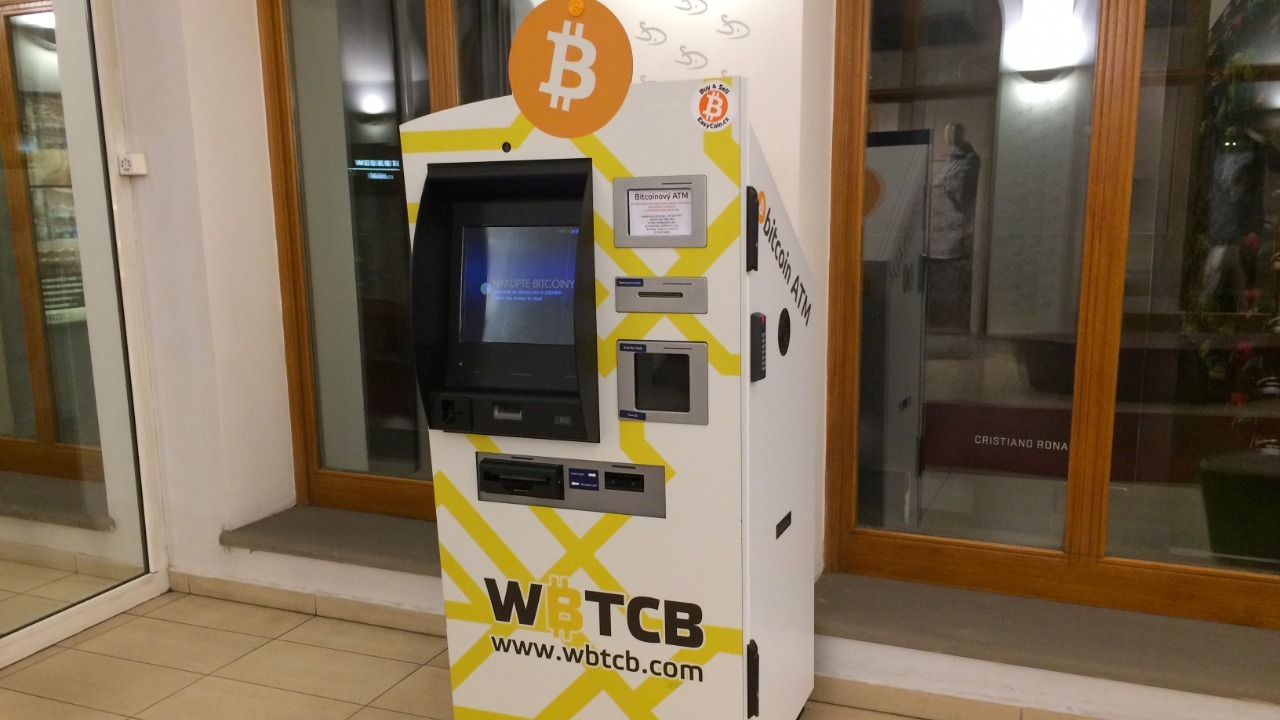
Once the target is rattled, the scammer directs them to a nearby bitcoin ATM, often staying on the phone while they travel. At the kiosk, victims are told to insert cash or swipe a debit card, then scan a QR code the scammer has provided. That code represents a wallet the crook controls. The California alert explains that payments through these ATMs are quick and final, and that the machines do not function like bank branches with dispute rights or chargebacks. The entire setup is designed to make the transfer feel official and time-sensitive, even though the money is being pushed straight into a stranger’s crypto wallet.
Why bitcoin ATMs are so attractive to fraudsters
Scammers have always chased payment methods that move money fast and are hard to claw back. Bitcoin ATMs check both boxes. The same California guidance on payments through these notes that transactions are immediate, cannot be reversed, and are often untraceable. Once the cash is converted to cryptocurrency and sent to a wallet, there is no “stop payment” button and usually no central intermediary to appeal to. For a scammer, that is ideal: they get near-instant access to funds and can move the money again through other wallets or exchanges before anyone even realizes what happened.
There is also a psychological angle. A freestanding kiosk in a grocery store or gas station looks like part of the normal financial system, especially to someone who has never used cryptocurrency before. That physical presence can act as a kind of trust signal, even when the machine has nothing to do with banks or government agencies. The FTC’s Sentinel analysis describes bitcoin ATMs as a “payment portal” that scammers steer people into, underscoring that the machines themselves are not the origin of the fraud but a tool that makes the con easier to execute. When a caller claiming to be from a tax authority tells someone to go to a kiosk that sits next to the regular ATM, it can feel more legitimate than wiring money to a random account.
The boom in kiosks and the policy gap
Another factor behind the surge in scams is simple availability. A major operator, Bitcoin Depot Inc., has told regulators that it has installed a large network of kiosks across the United States. In a quarterly report on Form 10-Q for the period ended September 30, 2025, the company stated that as of that date it operated hundreds of machines in retail locations, reflecting a broad footprint of kiosks in convenience stores and other high-traffic sites. That filing with the U.S. Securities and illustrates how quickly one company alone has expanded access to crypto ATMs in recent years, even though it does not break out fraud losses by location.
The same 10-Q document confirms that Bitcoin Depot filed the report with the SEC but does not go into detail about specific anti-fraud measures at each kiosk. That silence has fed a policy debate: should kiosk operators be required to put stronger warnings on screens, cap transaction sizes, or require more identity checks when someone is sending funds to a new wallet? The FTC’s recent announcement on bitcoin ATM scams focuses on educating consumers rather than imposing new rules on machine operators, suggesting that regulators are still weighing how far to push direct oversight of this niche in the crypto market.
What complaint data can and cannot tell us
The FTC’s Consumer Sentinel Network offers more than just dollar totals. It also shows patterns in how people are being reached and how often they report what happened. In one slice of the data described in the agency’s spotlight report, staff note that hundreds of individual consumers reported bitcoin ATM payments in 2023, and that a subset of those complaints involved very large transfers. For example, a group of 698 reports in the database highlighted situations where people were told to pay supposed government debts or legal fees through these machines, underscoring how often fake “official” stories are used to push victims toward kiosks.
The same complaint records also reveal how concentrated some of the harm can be. In one cluster of cases, 105 people together reported more than 325 thousand dollars in losses after being told to move money to “protect” it from hackers or internal bank fraud, only to learn later that the callers were scammers. These figures, drawn from the FTC’s own description of its Sentinel data, are still based on self-reported complaints rather than a full census of all victims. They help show the scale and style of the fraud, but they do not justify turning unsourced projections about future years into hard numbers.
More From The Daily Overview
*This article was researched with the help of AI, with human editors creating the final content.

Grant Mercer covers market dynamics, business trends, and the economic forces driving growth across industries. His analysis connects macro movements with real-world implications for investors, entrepreneurs, and professionals. Through his work at The Daily Overview, Grant helps readers understand how markets function and where opportunities may emerge.