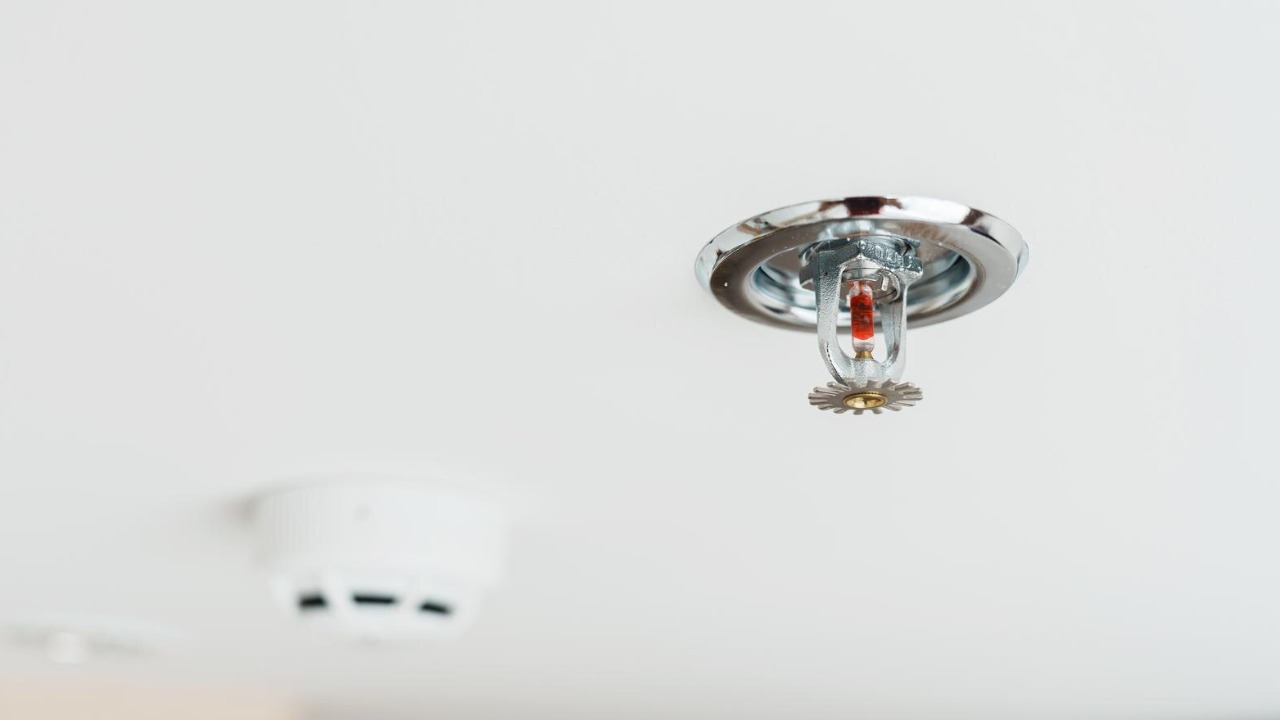
Home fire sprinklers sit at the intersection of safety, cost, and building policy, promising to stop small flames from turning into life‑threatening disasters. Whether they are worth the investment depends on how a homeowner weighs upfront installation costs against the value of lives saved, property preserved, and insurance or construction trade‑offs over time.
As I look at the data on fire deaths, building losses, and the performance of residential sprinkler systems, the pattern is consistent: when sprinklers are present and properly maintained, they dramatically change the outcome of a fire. The harder question is whether that benefit justifies the price tag in every home, especially in regions where codes, water supply, and housing stock vary widely.
What home sprinklers actually do in a fire
Residential sprinklers are designed to control or extinguish a fire in its earliest minutes, long before firefighters can arrive, and they do it in a targeted way. Only the sprinkler heads exposed to high heat activate, which means a kitchen fire typically triggers one or two heads rather than soaking an entire house, and that early response sharply limits how far flames and toxic smoke can spread before occupants escape.
Fire safety data consistently show that this early intervention changes survival odds and damage levels, with homes that have sprinklers seeing far lower rates of civilian deaths and serious injuries than comparable unsprinklered properties, as well as significantly reduced structural loss and contents damage, according to multiple national fire statistics and federal analyses. Those same reports note that sprinklers also reduce risks for firefighters by keeping interior temperatures and flame spread in check, which is part of why many building and fire codes now encourage or require them in certain new homes.
Upfront installation costs and long‑term savings
The most common hesitation I hear from homeowners is cost, and the numbers are not trivial: national surveys of completed projects put the average installation price for a new single‑family home in the range of a few dollars per square foot, which can translate into several thousand dollars on a typical build. Retrofitting an existing house is usually more expensive per square foot because installers must work around finished walls, ceilings, and existing plumbing, and those projects can climb higher when the home needs a larger water service line or a dedicated storage tank to support the system.
Those upfront figures, however, sit alongside a different set of numbers that show how sprinklers can limit long‑term financial losses, with insurers and fire agencies documenting that homes protected by sprinklers tend to have far lower average fire claim amounts and shorter rebuilding timelines than similar properties without them, according to aggregated insurance loss data and benefit‑cost studies. Some insurers offer premium discounts for sprinklered homes, and while those reductions rarely pay back the full installation cost on their own, they do offset a portion of the expense over the life of the mortgage, especially in higher‑risk areas where base fire premiums are already elevated.
Safety benefits that do not show up on a balance sheet
When I weigh whether a system is “worth it,” I look beyond dollars to the kinds of risks that are hardest to price, and residential sprinklers are a textbook example. Fire investigators have repeatedly found that sprinklers are especially protective for people who are less able to escape quickly, including older adults, young children, and residents with mobility or sensory impairments, because the system begins fighting the fire automatically even if no one is awake or able to call 911, a pattern documented in multiple public health reviews and fatality case studies.
There is also a community‑level effect that rarely appears in a household budget spreadsheet: widespread use of home sprinklers can reduce the overall demand on local fire departments, limit the spread of fires to neighboring structures, and cut the volume of toxic smoke and runoff released into the environment, according to community impact assessments and environmental analyses. Those broader benefits do not directly reimburse a homeowner for the cost of a system, but they do shape how local officials and code bodies think about mandating or incentivizing sprinklers in new developments.
Common concerns: leaks, accidental activation, and water damage
One of the most persistent myths I encounter is that sprinklers are likely to leak or all go off at once, flooding a house over a minor incident, and that perception understandably colors how people think about value. In practice, modern residential sprinklers are individually heat‑activated devices with failure rates that are extremely low, and accidental discharges are rare events that typically stem from mechanical damage to a head or improper installation rather than spontaneous malfunction, according to performance studies and code guidance.
Water damage is a real consideration, but the comparison that matters is not between a sprinkler discharge and a dry house, it is between a sprinkler‑controlled fire and a free‑burning fire that requires a full hose stream response. Fire loss investigations routinely show that the volume of water released by one or two residential sprinkler heads is far lower than what firefighters must apply to extinguish a room or structure that has already flashed over, which is why average repair costs after a sprinkler activation are substantially lower than after a non‑sprinklered fire, according to water‑use analyses and loss comparisons. For homeowners worried about leaks, the same maintenance discipline that applies to plumbing and roofing, periodic inspections and prompt repairs, goes a long way toward keeping systems reliable.
When a home sprinkler system makes the most sense
Not every house sits in the same risk profile, and that is where I find the value calculation becomes more nuanced. New construction in areas with longer fire department response times, limited hydrant coverage, or high wildfire exposure tends to see the strongest case for sprinklers, because the system effectively buys time in situations where outside help may be delayed, a point underscored in rural response studies and wildland‑urban interface research. Multi‑story homes, houses with basement bedrooms, and properties used as rentals or short‑term stays also carry higher life‑safety stakes, which can tilt the decision toward installing a system even when local codes do not require it.
For existing homes, the calculus is more case‑by‑case, because retrofit costs and structural constraints can be significant, but there are still scenarios where the investment is compelling. Owners undertaking major renovations that already involve opening ceilings and walls can often integrate a sprinkler system at a lower incremental cost, and families caring for older relatives or people with disabilities may decide that the added layer of automatic protection is worth the premium, a pattern reflected in housing rehabilitation programs and accessibility‑focused fire safety guidance. In those situations, the question shifts from “Is this universally worth it?” to “Given this home’s layout, occupants, and fire risk, does the added protection justify the price?” and for many higher‑risk households, the answer is yes.
More From TheDailyOverview
- Dave Ramsey warns to stop 401(k) contributions
- 11 night jobs you can do from home (not exciting but steady)
- Small U.S. cities ready to boom next
- 19 things boomers should never sell no matter what

Alex is the strategic mind behind The Daily Overview, guiding its mission to uncover the forces shaping modern wealth. With a background in market analysis and a track record of building digital-first businesses, he leads the publication with a focus on clarity, depth, and forward-looking insight. Alex oversees editorial direction, growth strategy, and the development of new content verticals that help readers identify opportunity in an ever-evolving financial landscape. His leadership emphasizes disciplined thinking, high standards, and a commitment to making sophisticated financial ideas accessible to a broad audience.

