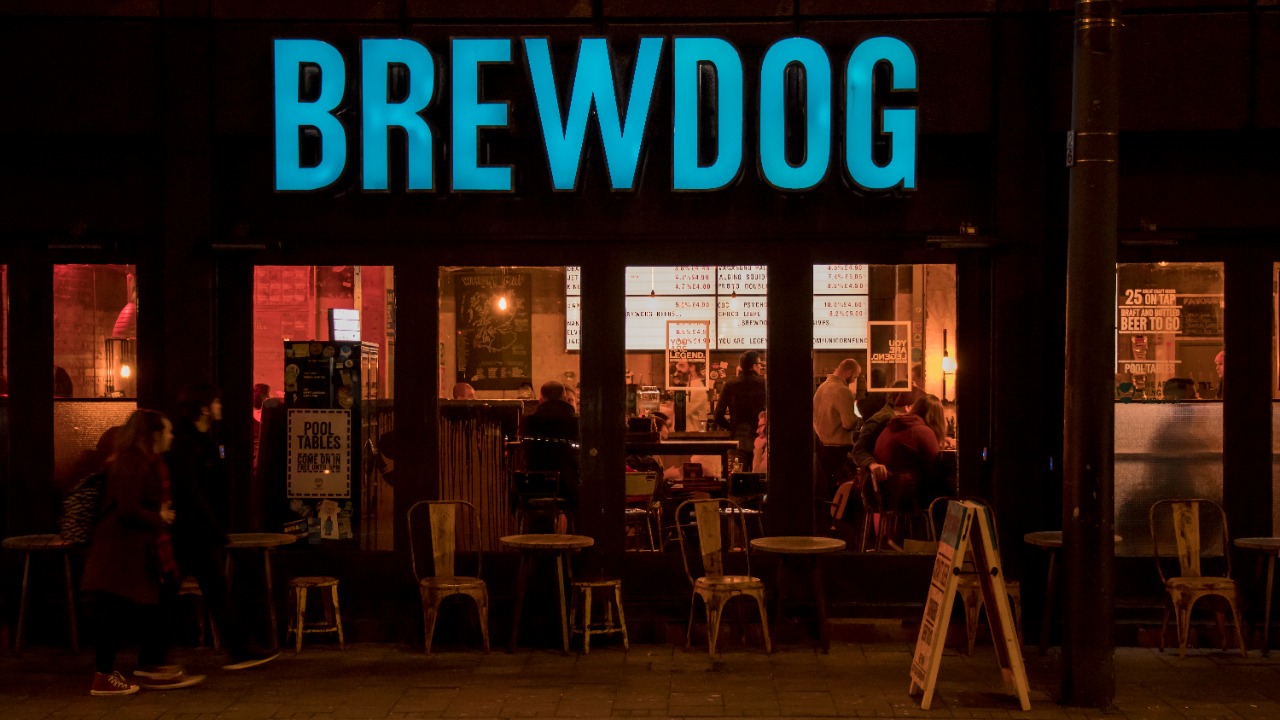
BrewDog, the Scotland-based craft beer company that built its reputation on irreverence and rapid expansion, is considering strategic options that could include a sale and potentially a breakup of parts of the business, according to recent reporting. The brewer has brought in advisers to assess its next steps, and reports suggest potential bidders are taking a look. What follows is a story about a company caught between the brand identity that made it famous and the financial pressures that may force it to sell off pieces of itself.
AlixPartners Called In to Run the Process
BrewDog has hired AlixPartners, the restructuring and advisory firm, to evaluate strategic options for the company. That language, familiar in corporate deal-making, can signal that a sale, merger, or breakup is under consideration. The appointment of a firm like AlixPartners indicates the review is being handled in a formal way, with advisers assessing different transaction scenarios and sounding out interest from potential buyers.
The Scotland-based brewer appointed the consultants to oversee what has been described as a formal sale process. BrewDog’s leadership has not publicly commented on the specifics. In deals of this kind, management teams often stay quiet while advisers contact potential acquirers behind the scenes.
A Breakup Could Carve Up Brands, Breweries, and Bars
One of the more striking possibilities is that BrewDog may not be sold as a single entity. Reporting in the Financial Times suggests an outcome could include a breakup or sale of individual business units, including its core brands, brewing facilities, and bar estate. That would mean a buyer could acquire the BrewDog name and product line without taking on the cost of running dozens of physical venues, or vice versa. For a company that has long marketed itself as a vertically integrated craft beer experience, from production to pint glass, this kind of dismantling would represent a fundamental shift in how the business is structured and perceived.
The bar network, in particular, has been a source of both brand power and financial strain. BrewDog closed 10 bars in 2025, citing what the company called an “extremely difficult” time for the hospitality industry. Locations in cities across the UK were shut as part of a cost-cutting drive that highlighted the pressures on energy, rent, and staffing costs. Those closures can also be read as part of a broader effort to reduce costs as the company weighs its options. A buyer focused purely on the brewing and distribution side might view the remaining bar estate as a liability rather than an asset, which is one reason a breakup scenario has been discussed in recent coverage.
TSG Consumer Partners and the Investor Pressure
Behind the scenes, the investment dynamics add another layer of pressure. TSG Consumer Partners, the private equity firm, holds a significant stake in BrewDog following a 2017 investment. Private equity investors typically operate on a defined timeline, expecting to realize returns within a set window through a sale, listing, or refinancing. With that investment now several years old, the question of how and when investors get liquidity is likely to be a factor as advisers assess possible outcomes.
The presence of a private equity backer with a long-held stake can accelerate a sale process, because financial investors face their own fund timelines. TSG Consumer Partners would naturally be expected to look for a liquidity event, whether through a full sale, a partial divestiture, or a recapitalization. The hiring of AlixPartners suggests that internal discussions about the company’s future have moved into more active deal planning. For BrewDog’s other stakeholders, including its community of retail investors who bought shares through the company’s “Equity for Punks” crowdfunding rounds, the question of what a sale means for their holdings is pressing and largely unanswered, raising the possibility of complex negotiations around share classes, valuations, and any potential payout.
What the Coverage Misses About Craft Beer Economics
Much of the current reporting frames this as a story about one company’s missteps, and there is some truth to that. BrewDog expanded aggressively into international markets, opened expensive flagship venues, and weathered public controversies about its workplace culture. But focusing solely on management decisions risks missing the broader economic forces at work. The UK hospitality sector has been squeezed by rising energy costs, labour shortages, and shifting consumer habits since the pandemic, and these pressures have collided with higher interest rates that make debt more expensive. BrewDog is not the only mid-sized drinks company facing these headwinds; it is simply the most visible one because of its outspoken brand and high-profile founders.
The assumption that BrewDog’s troubles are primarily self-inflicted deserves some pushback. The economics of running a combined brewing, distribution, and hospitality business have become significantly harder across the board, particularly for operators that straddle wholesale and direct-to-consumer channels. A company that brews beer, ships it, and sells it in its own venues is exposed to cost inflation at every stage of the supply chain simultaneously, from malt and hops through to logistics and front-of-house wages. The bar closures BrewDog announced in 2025 were framed around the “extremely difficult” state of the hospitality industry, and that framing applies well beyond a single brand. Any buyer evaluating BrewDog’s assets will be making a bet not just on the brand’s recovery but on whether the broader operating environment improves enough to restore margins in pubs, taprooms, and retail.
What Comes Next for BrewDog’s Future
The next phase of BrewDog’s story will be shaped as much by potential buyers as by its current owners. According to recent reporting, interest could come from global drinks groups looking to bolster their craft portfolios, as well as from investment firms that specialise in consumer brands. A strategic buyer might be drawn to BrewDog’s international recognition and distribution footprint, even if the bar estate is seen as non-core. By contrast, a financial buyer could be more inclined to break up the business, selling off pieces over time or restructuring underperforming units in search of higher returns. Each path would have different implications for employees, small shareholders, and the communities where BrewDog operates venues.
For now, BrewDog has declined to provide detailed commentary on the process, with the company, according to a recent BBC report, refusing to elaborate beyond acknowledging that advisers are in place. That reticence is typical at this stage, when public statements can complicate negotiations or unsettle staff and customers. Yet the direction of travel appears clear in the reporting: the combination of investor dynamics, operational headwinds, and a formal mandate for advisers means BrewDog may not emerge from this process unchanged. Whether the outcome is a full takeover, a carve-up of its assets, or an unexpected refinancing that keeps it independent, the company that once cast itself as the punk outsider of beer now finds itself navigating the most conventional of corporate dramas – a high-stakes battle over who owns the brand, and what they choose to do with it next.
More From The Daily Overview
*This article was researched with the help of AI, with human editors creating the final content.

Grant Mercer covers market dynamics, business trends, and the economic forces driving growth across industries. His analysis connects macro movements with real-world implications for investors, entrepreneurs, and professionals. Through his work at The Daily Overview, Grant helps readers understand how markets function and where opportunities may emerge.

