
Certificates of Deposit (CDs) are widely regarded as secure investments, primarily due to FDIC insurance that covers up to $250,000 per depositor per bank, safeguarding the principal against bank failures. However, investors can still incur losses through early withdrawal penalties that might surpass the interest earned or through opportunity costs if interest rates rise after committing to a low rate. As of mid-2023, average CD rates hover around 5% APY for 1-year terms, yet with inflation near 3%, the real returns can be diminished, potentially resulting in a net loss in purchasing power.
Understanding CD Basics and Safety Nets
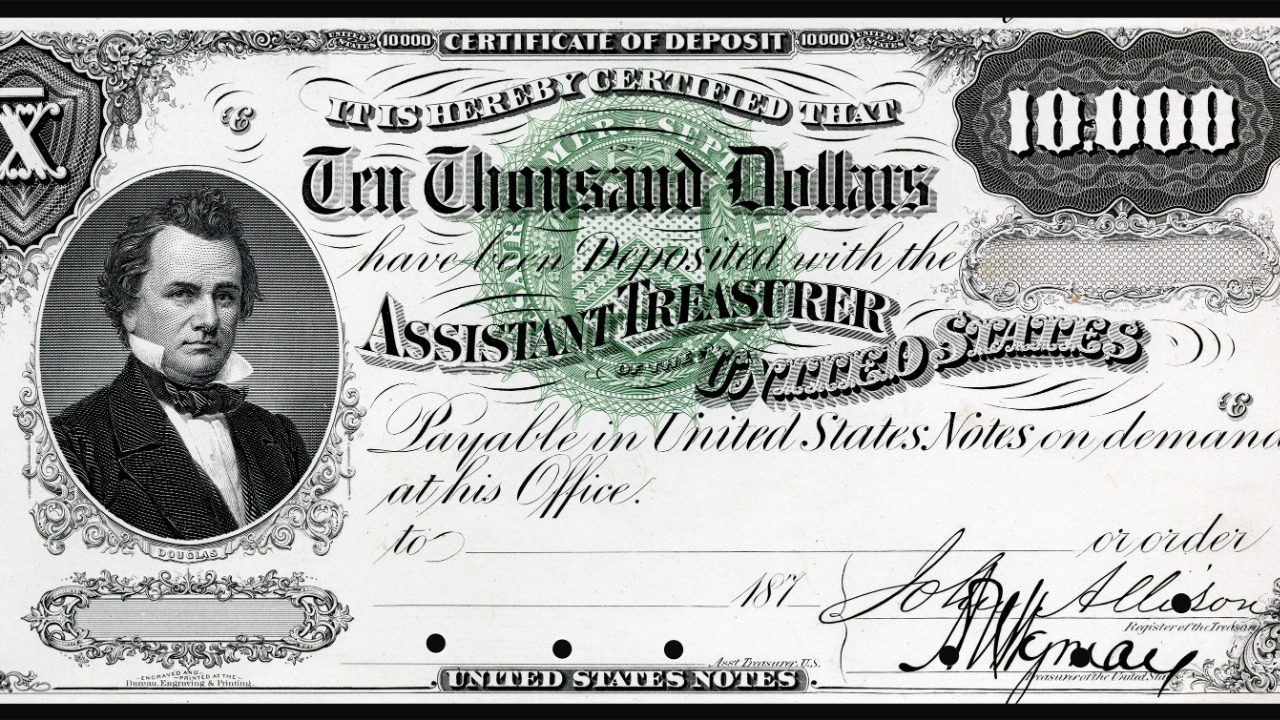
Certificates of Deposit function as time deposits with fixed terms and interest rates, typically ranging from three months to five years. The principal amount is guaranteed if the CD is held to maturity, offering a predictable return on investment. This stability makes CDs an attractive option for risk-averse investors. The FDIC provides insurance coverage up to $250,000 per depositor per bank, ensuring that even in the event of a bank failure, such as the collapse of Silicon Valley Bank in March 2023, depositors are protected up to the insured limit.
For those investing in credit union CDs, the National Credit Union Administration (NCUA) offers similar insurance coverage, mirroring the FDIC limits. This ensures that whether you choose a traditional bank or a credit union, your investment enjoys a comparable level of safety. These protections are crucial for maintaining investor confidence in CDs as a secure investment vehicle.
Ways to Lose Money Through Penalties and Fees

While the principal of a CD is protected if held to maturity, early withdrawal penalties can lead to financial losses. These penalties often range from 90 to 180 days of interest for short-term CDs and can extend up to 12 months for longer-term CDs. For example, withdrawing $10,000 from a 1-year CD after just three months might result in forfeiting $150 in interest and incurring a $100 penalty, leading to a net loss.
Additionally, account fees, such as maintenance charges on brokered CDs, can further reduce yields. A $25 annual fee on a $5,000 CD could erode 0.5% of the returns, diminishing the overall profitability. Moreover, the interest earned on CDs is taxable annually, which can push investors into higher tax brackets if not properly planned for, potentially creating an effective loss.
Opportunity Costs and Market Risks

Opportunity costs represent another way investors might lose money with CDs. For instance, locking in a 4% rate on a 5-year CD in early 2022 could result in missed earnings if new CDs offer 5.5% by late 2023. This scenario could lead to forgone earnings of approximately $750 on a $10,000 investment over the term. Such market dynamics highlight the importance of timing and rate trends in CD investments.
Inflation risk is another factor to consider. A CD yielding 4% during a period of 3% inflation in 2023 provides only a 1% real return, effectively diminishing purchasing power by $300 annually on a $10,000 deposit. Additionally, callable CDs pose a risk, as banks can redeem them early if interest rates fall, forcing investors to reinvest at lower yields. This was observed with some products from institutions like Ally Bank.
Strategies to Minimize Potential Losses

To mitigate potential losses, investors can employ strategies such as laddering CDs across multiple maturities. For example, splitting $15,000 into 1-year, 2-year, and 3-year terms can balance liquidity needs and capture rising rates without the need for early withdrawal. This approach allows investors to benefit from higher rates as they become available.
Another strategy is to shop for no-penalty CDs from banks like Marcus by Goldman Sachs, which allow withdrawals after seven days without incurring fees, thus preserving flexibility. Additionally, comparing brokered versus bank CDs can be beneficial. Platforms like Vanguard may offer higher yields, but investors should be aware of the potential for secondary market sales at a loss if sold before maturity.
Investors should also consider the timing of their CD purchases in relation to interest rate forecasts. By staying informed about economic indicators and Federal Reserve announcements, they can better anticipate rate changes and adjust their CD investments accordingly. For instance, if rates are expected to rise, it might be prudent to opt for shorter-term CDs or wait for higher rates before committing to longer terms.
Furthermore, diversifying investments beyond CDs can help mitigate risks associated with interest rate fluctuations and inflation. By allocating a portion of their portfolio to bonds, stocks, or mutual funds, investors can potentially offset lower CD returns with gains from other asset classes. This diversified approach can enhance overall portfolio resilience and provide a hedge against the limitations of fixed-rate investments like CDs.

Silas Redman writes about the structure of modern banking, financial regulations, and the rules that govern money movement. His work examines how institutions, policies, and compliance frameworks affect individuals and businesses alike. At The Daily Overview, Silas aims to help readers better understand the systems operating behind everyday financial decisions.

