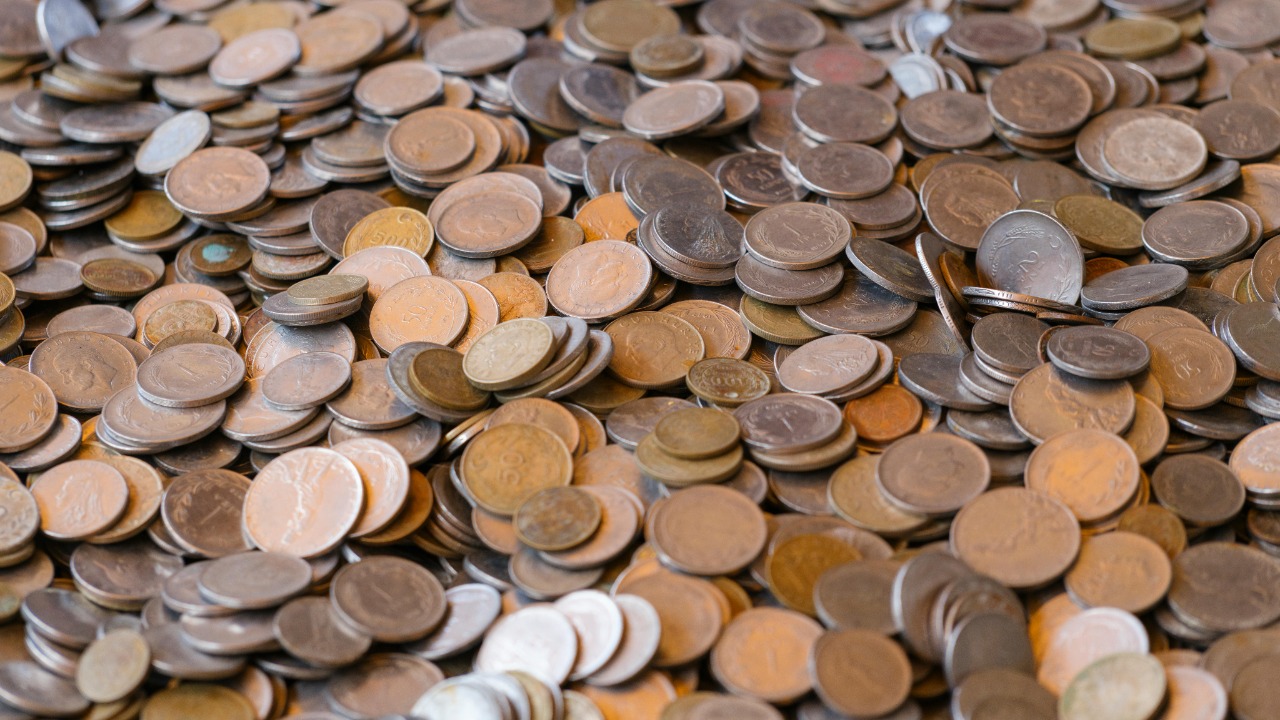
Selling rare coins can be a lucrative endeavor, but choosing the right platform is crucial to maximizing returns. While traditional coin shops offer immediate cash and expert appraisals, online marketplaces like eBay provide access to a global audience and competitive bidding. However, sellers must navigate potential pitfalls, including disinformation on social media that can mislead them about the true value of their coins.
Advantages of Selling at Coin Shops
Coin shops offer the advantage of expert appraisals and immediate cash offers, which can be appealing for sellers looking to avoid the risks associated with shipping valuable items. Local dealers often have established numismatic practices that ensure a fair valuation of coins. This personalized service can also lead to building long-term relationships with collectors, as noted in multi-platform selling guides. Additionally, coin shops typically charge lower fees compared to online auctions, making them an attractive option for everyday rare coin sellers who prefer quick transactions.
Another benefit of selling at coin shops is the opportunity for personalized service. Sellers can engage directly with knowledgeable dealers who can provide insights into the coin’s history and value. This interaction can be particularly beneficial for those new to the numismatic world, as it allows them to learn more about their collection and potentially discover hidden gems. Furthermore, the absence of shipping risks and the ability to negotiate in person can lead to a more satisfactory selling experience.
Drawbacks of Coin Shops for Rare Coin Sales
Despite their advantages, coin shops can present challenges, such as potential lowball offers due to dealer profit margins. According to a list of the best places to sell rare coins, sellers may face negotiation challenges, as dealers often aim to purchase coins at the lowest possible price to maximize their own profits. This can be particularly frustrating for sellers who are not well-versed in the market value of their coins.
Another drawback is the limited buyer pool available at physical locations, which can restrict exposure for high-value items like pre-1965 U.S. silver coins. Sellers may find that their coins do not reach their full potential value due to the smaller audience. Additionally, inconsistent pricing based on shop expertise can be a concern. It’s important for sellers to verify dealer credentials and shop around to ensure they receive a fair offer for their coins.
Benefits of Using eBay for Rare Coins
eBay offers sellers access to a global audience of collectors, which can lead to competitive bidding and potentially higher prices than those offered by local coin shops. A comparison of coin shop vs. eBay highlights how the online platform can attract serious buyers willing to pay a premium for rare coins. This broader reach can be particularly advantageous for sellers with unique or highly sought-after items.
In addition to a wider audience, eBay provides tools for creating detailed listings with photos and descriptions, which can help attract serious buyers. Sellers have the flexibility to set reserve prices and auction durations, allowing them to optimize returns for items like error coins or proofs. Insights on the best place to sell rare coins suggest that these features can significantly enhance the selling experience and increase the likelihood of achieving a desirable sale price.
Challenges When Selling on eBay
While eBay offers numerous benefits, it also presents challenges such as fees, shipping logistics, and potential buyer disputes. Sellers must navigate these hurdles to ensure a smooth transaction. Evaluations of the best places to sell rare coins emphasize the importance of understanding these aspects to avoid unexpected costs and complications.
Scams and counterfeit risks are additional concerns when selling online. An investigation into numismatic disinformation on social media warns sellers about misleading information that could affect their transactions. Sellers must be vigilant and take precautions to verify the authenticity of their coins and the credibility of potential buyers. Additionally, the time investment required for listing and monitoring auctions can be significant, contrasting with the faster sales process at coin shops.
Key Factors to Decide Between Coin Shops and eBay
When deciding between coin shops and eBay, sellers should evaluate the rarity and condition of their coins. A guide by a rare coin collector provides tips on spotting valuable coins, such as checking for mint marks or wear. Understanding these factors can help sellers determine the best platform for maximizing their returns.
Sellers should also consider their goals, such as whether they prioritize speed or maximum price. Overviews of the best places to sell rare coins suggest that each platform has its own advantages, and sellers may benefit from a hybrid approach. For example, obtaining quotes from coin shops before listing on eBay can provide a baseline for negotiations. However, sellers should be cautious of social media hype, as detailed in the report on numismatic disinformation.
More From TheDailyOverview
- Dave Ramsey says these two simple questions show whether you’re rich or poor
- Retired But Want To Work? Try These 18 Jobs for Seniors That Pay Weekly
- IRS raises capital gains thresholds for 2026 and what’s new
- 12 ways to make $5,000 fast that actually work

Cole Whitaker focuses on the fundamentals of money management, helping readers make smarter decisions around income, spending, saving, and long-term financial stability. His writing emphasizes clarity, discipline, and practical systems that work in real life. At The Daily Overview, Cole breaks down personal finance topics into straightforward guidance readers can apply immediately.