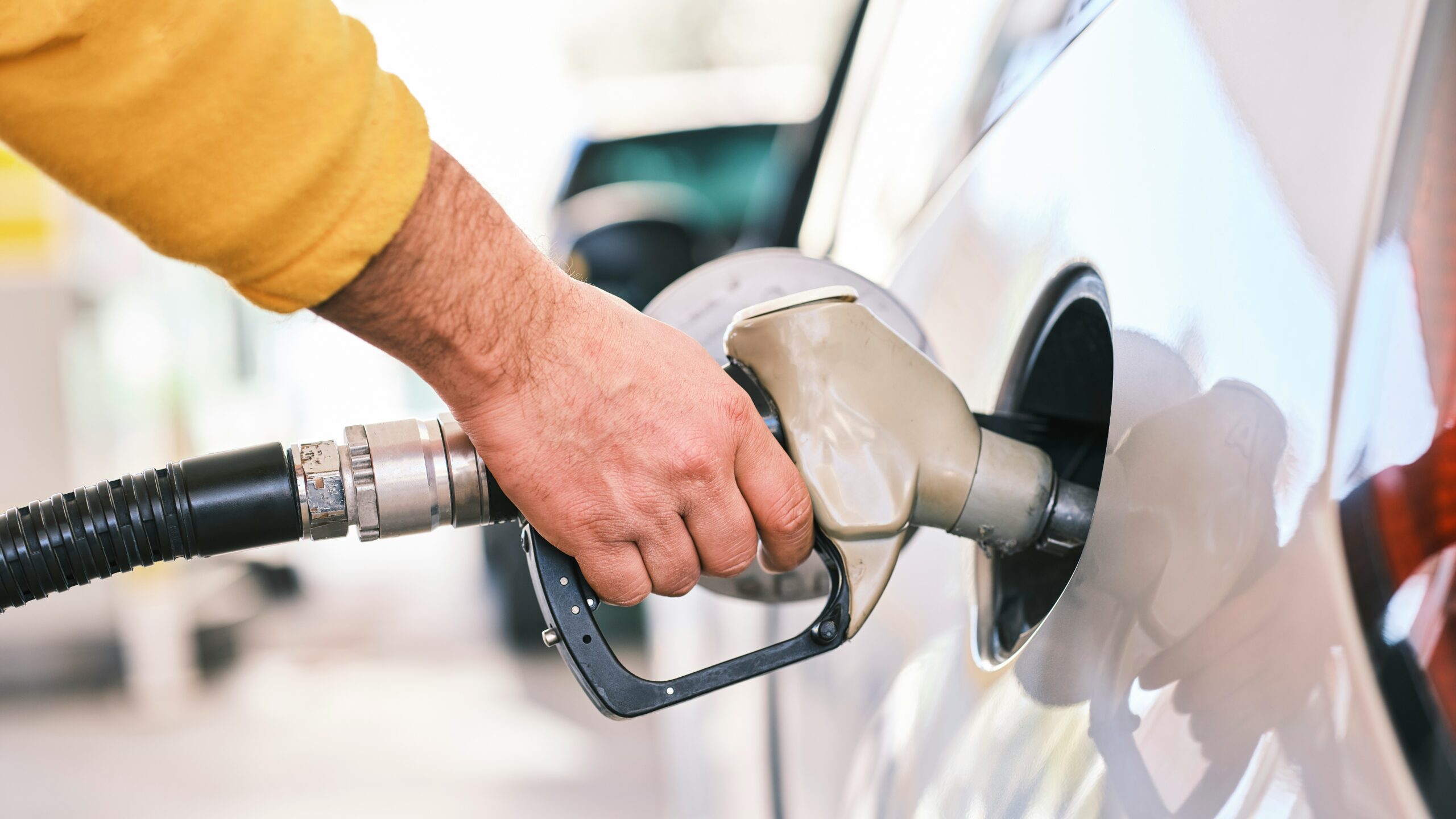
Hundreds of Colorado drivers who thought they were filling up with regular unleaded now face the prospect of four‑figure repair bills after diesel-contaminated gasoline moved through dozens of Front Range stations. What began as a fuel handling mistake has quickly turned into a financial and legal mess, with complaints piling up faster than reimbursements and many motorists still unsure who will ultimately pay.
The core problem is simple and infuriating: gas that never should have reached the public did, and it damaged vehicles that families rely on to get to work and school. I see a pattern emerging of regulators scrambling to trace the contamination, companies promising to “make this right,” and drivers stuck in the middle, fronting towing, rental and repair costs while they wait for answers.
How a fuel mix-up spread across the Front Range
State investigators have traced the contamination to a Sinclair-owned distribution hub in Henderson, Colo., where diesel appears to have mixed with gasoline before being shipped out to retailers. According to State officials, that mistake ultimately affected a network of stations that rely on the Henderson, Colo facility, turning a single error into a regional problem. A detailed list later identified 46 Colorado gas stations that may have received the bad fuel, underscoring how centralized distribution can magnify a single lapse into a widespread consumer crisis.
The Division of Oil and Public Safety has been at the center of the response, issuing an initial alert as the Division of Oil began confirming reports of contaminated fuel across the metro area. In a subsequent update, the Division of Oil and Public Safety explained that it was working with distributors and retailers to identify where the tainted product went and to ensure that remaining supplies were isolated and removed. That regulatory paper trail is now crucial evidence for drivers trying to prove where they filled up and how the damage occurred.
Complaints surge as damage becomes clear
Once word spread that regular pumps had dispensed a diesel-laced mix, the state’s complaint system lit up. Colorado officials reported that the state had received over 200 complaints about contaminated fuel within roughly a day, a figure that quickly ballooned as more drivers realized their cars were sputtering or refusing to start. As of Monday, the As of Monday update from the Division of Oil and Public Safety said OPS had received over 400 complaints from consumers, a sign that the incident had reached far beyond a handful of unlucky motorists.
The volume of grievances has only grown. One state summary noted that Approximately 1,000 complaints were filed after people in Colorado purchased contaminated gas from stations across the Front Range, a scale that helps explain why repair shops and call centers are now overwhelmed. The Division of Oil and Public Safety has acknowledged the strain, with one OPS notice emphasizing its commitment to help affected customers even as it juggles enforcement, investigation and consumer assistance.
What contaminated fuel does to modern engines
For drivers, the most immediate question is what this mix of diesel and gasoline actually does to a car that is designed to run only on regular gas. Technicians quoted in state and local reports say the severity of the damage usually depends on how much of the tainted gas drivers pumped, with one expert, Inslee, explaining that a small top-off might require only draining the tank and cleaning the fuel injection system. In contrast, filling most of a tank with the bad blend and then driving can push the heavier diesel through injectors and combustion chambers, fouling plugs, clogging filters and in some cases damaging high-pressure fuel pumps.
Those repairs are not cheap. Inslee estimated that in more serious cases, the bill can run from $1,000 to $3,000 per vehicle, especially when shops have to redo the entire fuel injection system and replace multiple components tied to the contaminated fuel. Another detailed breakdown noted that if it was just a top-off, technicians may need only to drain the gas and clean the fuel injection system, but in other cases vehicles might need extensive work that keeps them in the shop for days, as described in repair guidance. For families driving late-model crossovers or pickups that rely on complex emissions and fuel systems, that kind of damage can quickly erase any savings from buying cheaper gas at a warehouse club or supermarket station.
Who pays, and what drivers are being told to do
With so many vehicles sidelined, the financial stakes are now front and center. Company officials tied to the distribution chain have said they “continue to work with distributors and are committed to making this right for all affected,” a pledge that appeared in statements linked to Sinclair and the stations that pumped contaminated fuel. At the same time, some drivers have been asked to sign release forms in exchange for reimbursement, a step that attorney Azar has warned could limit the company’s liability for any car problems that arise later.
State regulators are urging a more methodical approach. The Division of Oil and Public Safety has advised that Consumers should first contact the gas station where they filled up, then submit a complaint to the Division with receipts and a detailed timeline of events. In a separate advisory, the Division of Oil and Public Safety reminded drivers that OPS had already received over 400 complaints and was coordinating with insurers and companies to sort out responsibility. Insurance experts quoted in consumer pieces have said it is a personal decision whether to involve an auto insurer, but one adviser in Feb coverage recommended starting the claims process early in case reimbursement from fuel suppliers is delayed.
Legal fallout and long-term accountability
As repair estimates stack up, the legal system is starting to move. A proposed class action in Denver targets Sinclair and related entities, arguing that drivers should not be forced to navigate a patchwork of station-by-station claims when the contamination began upstream. That lawsuit sits alongside other high-profile energy litigation in the region, mentioned in the same context as SM Energy Co and Civitas Resources completing a $12.1 billion merger, a reminder that the companies moving fuel and drilling wells operate on a financial scale far beyond the households now waiting for checks.
Regulators, for their part, are trying to shore up the system so a similar incident is less likely to recur. The Division of Oil and Public Safety has issued a Notice that includes a Temporary RVP Waiver for Colorado Gasoline Retailers, a technical step meant to ensure a steady fuel supply while contaminated product is removed and replaced with the right fuel. In a related communication, the Public Safety Confirms bulletin underscored that Drivers who suspect they received contaminated fuel should stop using their vehicles and have the fuel replaced with the right fuel as soon as possible. Those steps will not erase the bills already hitting mailboxes, but they do signal that the state is treating this as more than a one-off mistake.
More From The Daily Overview
*This article was researched with the help of AI, with human editors creating the final content.

Cole Whitaker focuses on the fundamentals of money management, helping readers make smarter decisions around income, spending, saving, and long-term financial stability. His writing emphasizes clarity, discipline, and practical systems that work in real life. At The Daily Overview, Cole breaks down personal finance topics into straightforward guidance readers can apply immediately.

