
In today’s volatile economic climate, conducting a regular DIY financial checkup is more important than ever. With uncertainties such as potential recessions and fluctuating market conditions, taking proactive steps in managing your finances can provide peace of mind and stability. Exploring practical strategies for evaluating and adjusting your financial situation can help you better navigate unpredictable times.
Assessing Your Current Financial Situation

To begin your DIY financial checkup, start by reviewing your income and expenses. Analyzing your monthly cash flow can help identify areas where you might reduce spending. For instance, consider using budgeting apps like Mint or YNAB to track your expenditures and highlight categories where you can cut back. By understanding your spending habits, you can make informed decisions about where adjustments are necessary, potentially freeing up funds to allocate towards savings or debt reduction.
Evaluating your debt is another critical component of assessing your financial situation. Make a comprehensive list of all your debts, including credit cards, student loans, and mortgages. Prioritize paying down high-interest obligations first, as these can quickly accumulate and strain your financial resources. Consider using the debt avalanche method, which focuses on paying off debts with the highest interest rates first, to minimize the amount of interest you pay over time. Additionally, ensure that your financial goals are up-to-date and aligned with any changes in your personal situation. This may involve adjusting timelines or rethinking your priorities based on recent life events or economic shifts.
Building an Emergency Fund
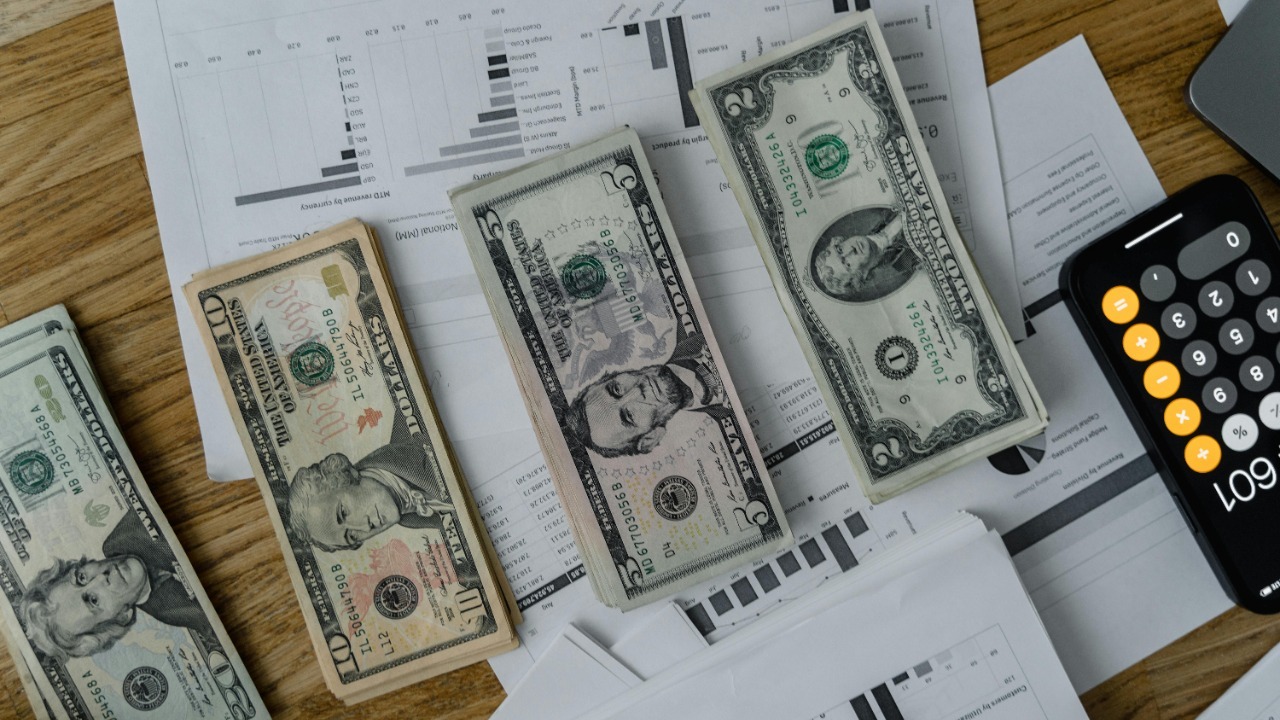
One of the most effective ways to safeguard your finances during uncertain times is by building an emergency fund. To determine the right size for your fund, consider your monthly expenses and aim to cover 3-6 months of living costs. This cushion can help you manage unexpected expenses such as medical emergencies or job loss without resorting to high-interest loans or credit cards.
There are several strategies to help you save for your emergency fund. Automating your savings is an excellent way to consistently build your reserve without additional effort. Set up automatic transfers from your checking account to a savings account each month. Ensure that your emergency savings are in a liquid account, such as a high-yield savings account, so they are easily accessible if needed. Accessibility is key, as having to wait to access your funds during an emergency can exacerbate an already stressful situation. For more insights on planning for financial uncertainty, check out this guide to financial uncertainty planning.
Investing Wisely During Uncertain Times

Investing during uncertain times can be daunting, but wise strategies can help mitigate risks. Diversifying your investment portfolio is crucial. By spreading your investments across different asset classes, such as stocks, bonds, and real estate, you can reduce the impact of a downturn in any single market. For example, if the stock market experiences a decline, having investments in bonds or real estate can help balance potential losses.
Rebalancing your investments is another essential practice. Regularly reviewing and adjusting your portfolio ensures that your asset allocation aligns with your risk tolerance and financial goals. This might mean selling certain investments if they have grown disproportionately and reinvesting in underrepresented areas. Staying informed on market trends and economic indicators is equally important. Utilize resources such as CNBC or financial newsletters to keep abreast of changes that might affect your investments. For a more detailed guide on conducting mid-year financial checkups, visit this CNBC article.
Planning for Retirement Amidst Economic Uncertainty

Retirement planning can be particularly challenging during economic uncertainty. Re-evaluate your retirement timeline to determine if delaying retirement might be beneficial. By working a few additional years, you can bolster your savings and investments, providing a more substantial financial buffer. This strategy can also increase your social security benefits, as delaying claims typically results in higher monthly payments. For more insights, consider reading about the benefits of delaying retirement in this article.
Exploring flexible retirement strategies can also offer peace of mind. Consider phased retirement or part-time work as viable options to extend your income stream. These strategies can help ease the transition from full-time work to retirement, allowing you to gradually adjust both financially and emotionally. Furthermore, securing your social security and pension plans is crucial. Understand your benefits and optimize them according to your retirement plan, ensuring that you’re maximizing the potential income from these sources.
Cutting Costs and Boosting Income

In uncertain economic times, implementing cost-saving measures can significantly impact your financial stability. Begin by reviewing your budget to identify unnecessary expenses that can be eliminated or reduced. Small changes, such as dining out less frequently or canceling unused subscriptions, can add up over time. Additionally, consider renegotiating bills like insurance premiums or utility rates to further reduce your monthly obligations.
Boosting your income is another effective way to enhance your financial security. Explore side income opportunities such as freelancing, part-time work, or monetizing hobbies. Platforms like Upwork, Fiverr, or Etsy can provide avenues to earn additional income in your free time. Additionally, utilizing available resources like financial apps and community services can help you manage your finances more effectively. For instance, apps like PocketGuard or Goodbudget can offer insights into spending habits and help you make informed decisions. For more tips on preparing for economic challenges, check out these recession-ready essentials.

Cole Whitaker focuses on the fundamentals of money management, helping readers make smarter decisions around income, spending, saving, and long-term financial stability. His writing emphasizes clarity, discipline, and practical systems that work in real life. At The Daily Overview, Cole breaks down personal finance topics into straightforward guidance readers can apply immediately.

