
As economic uncertainty looms, a leading economist warns of impending stagflation in the U.S. This phenomenon, characterized by stagnant growth and rising inflation, could have significant implications for the dollar, bonds, and stocks. Understanding these potential impacts is crucial for investors and policymakers alike.
Understanding Stagflation

Stagflation, a portmanteau of stagnation and inflation, is a rare economic condition where the economy experiences slow growth, high unemployment, and rising prices. Historically, stagflation first gripped the U.S. during the 1970s oil crisis when geopolitical tensions and supply constraints led to soaring energy prices and economic stagnation. This period serves as a cautionary tale for modern economies, demonstrating how complex global factors can intertwine to create prolonged economic challenges.
Today, several economic indicators suggest the U.S. might be heading toward a similar predicament. Inflation rates have surged, with consumer prices climbing faster than anticipated. Concurrently, GDP growth has shown signs of slowing down, raising concerns about the potential onset of stagflation. The combination of supply chain disruptions, labor market imbalances, and persistent geopolitical tensions—such as the ongoing trade disputes—further fuels these fears.
The potential causes of stagflation are multifaceted. Supply chain disruptions, exacerbated by the COVID-19 pandemic, have led to shortages and increased costs for goods. Additionally, geopolitical tensions, such as the ongoing conflict in Ukraine, continue to strain global energy markets. These factors, coupled with monetary policies that may struggle to keep pace with inflation, create a fertile ground for stagflation to take root.
Implications for the U.S. Dollar
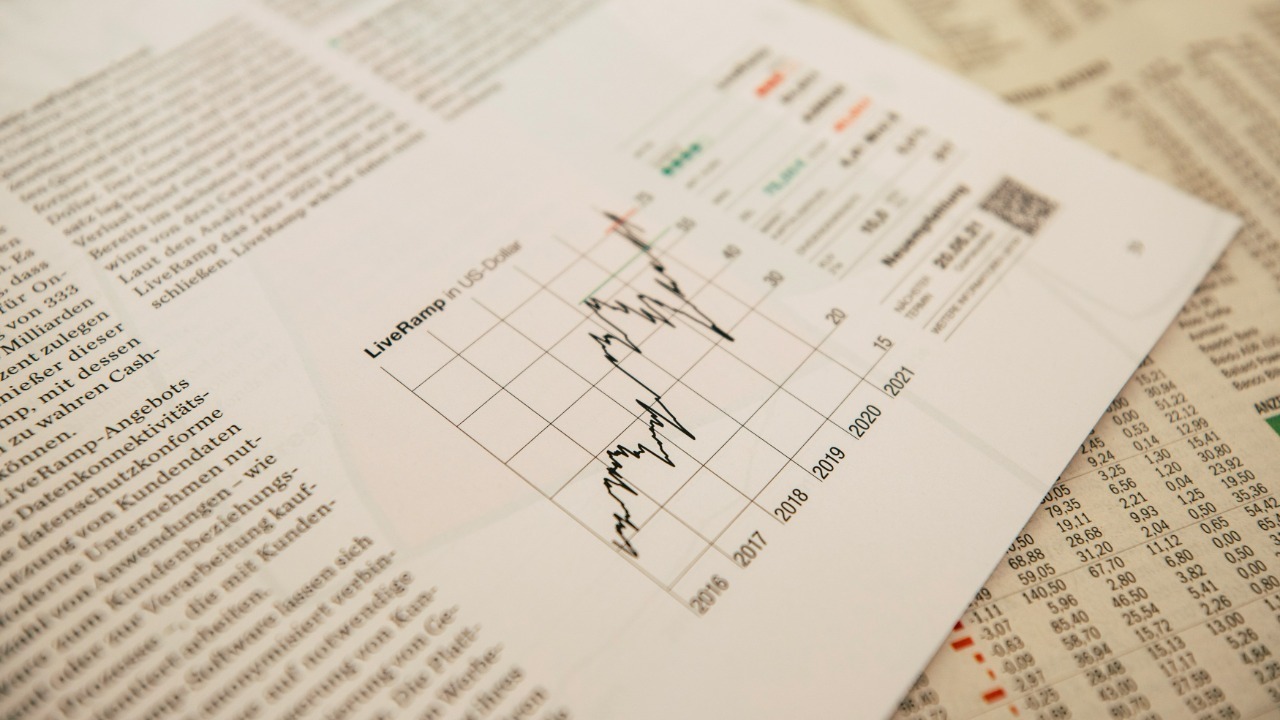
Stagflation poses significant risks to the U.S. dollar, particularly in terms of inflation and purchasing power. As inflation rises, the dollar’s purchasing power erodes, meaning consumers can buy less with each dollar they spend. This erosion impacts everything from household budgets to international purchasing power, potentially making U.S. goods more expensive abroad and affecting global trade dynamics.
Moreover, stagflation could affect international trade and tariffs. As inflation-driven price increases make U.S. exports more costly, countries might seek alternatives, impacting trade balances. The role of tariffs in this scenario cannot be overlooked. A detailed analysis suggests that ignoring tariff implications in such a scenario would be a significant oversight.
Investor confidence in the U.S. dollar as a reserve currency might also waver. Global investors could start questioning the dollar’s stability, leading to shifts in currency reserves and investment strategies. This uncertainty might push investors towards other currencies or assets perceived as more stable or resilient to stagflationary pressures.
Impact on Bonds

In a stagflationary environment, bonds are particularly susceptible to changes in interest rates and yields. Typically, central banks might raise interest rates to combat inflation, which in turn could drive bond yields higher. However, higher yields could decrease bond prices, causing potential losses for bondholders. Investors need to be vigilant about these dynamics to protect their portfolios.
Fixed-income investment strategies might require significant adjustments. Investors may consider shifting to bonds with shorter maturities or inflation-protected securities, such as Treasury Inflation-Protected Securities (TIPS), to hedge against inflation risks. Diversifying bond portfolios to include international bonds might also be a prudent strategy to mitigate domestic stagflation impacts.
The bond market could experience heightened volatility as stagflation takes hold. This uncertainty could lead to rapid shifts in bond prices, creating opportunities and risks for investors. Understanding these market dynamics and being prepared to adapt investment strategies accordingly will be essential in navigating the challenges posed by stagflation.
Effects on Stock Markets
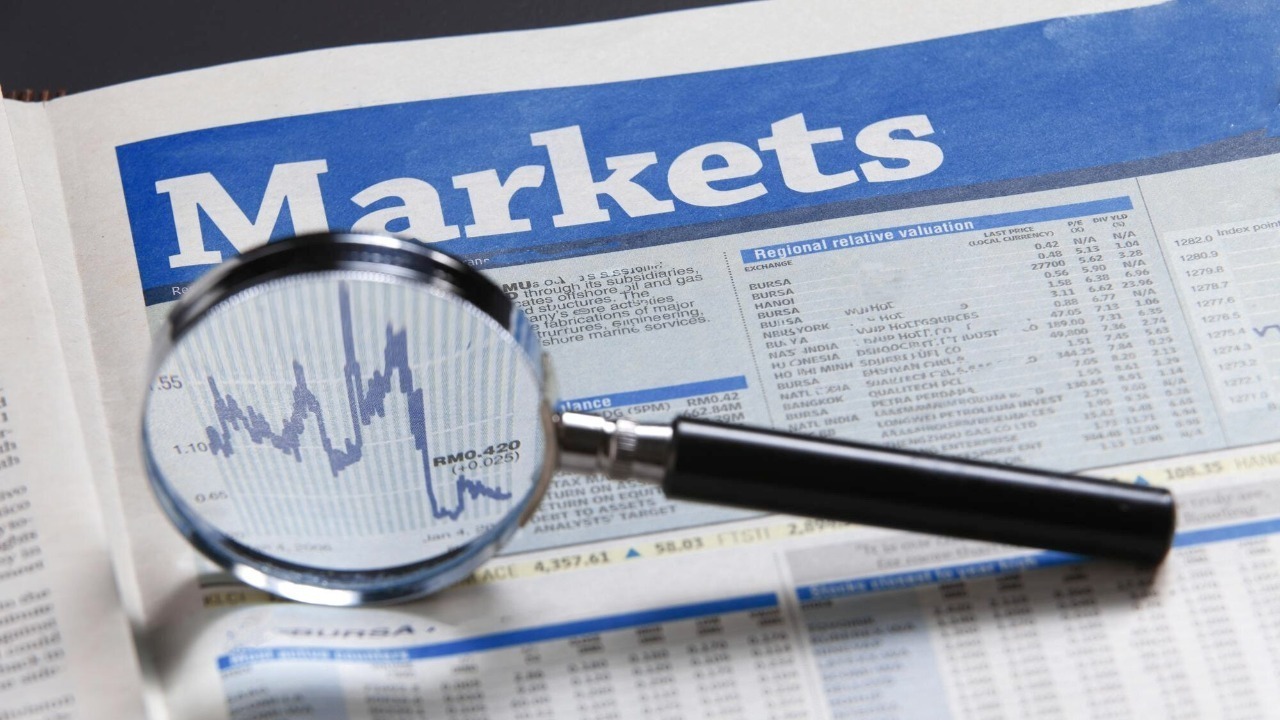
Stagflation could have profound effects on stock markets, primarily through its impact on corporate earnings and stock valuations. As economic growth stagnates, companies may struggle to grow revenues and profits. Rising costs due to inflation can further squeeze profit margins, leading to downward pressure on stock prices. Investors might need to recalibrate their expectations for earnings growth and adjust their stock valuations accordingly.
Sector-specific impacts are likely to vary. Some sectors, such as technology and consumer discretionary, might be more vulnerable to stagflation due to their reliance on economic growth and consumer spending. Conversely, sectors like utilities and healthcare, which provide essential services, might be more resilient. Investors should consider these sectoral dynamics when assessing potential risks and opportunities in their stock portfolios.
To navigate the complexities of a stagflationary environment, investors may need to adopt new strategies. Diversifying across sectors, focusing on companies with strong balance sheets, and considering dividend-paying stocks could provide stability and income during uncertain times. Additionally, staying informed about economic trends and market developments will be crucial for making informed investment decisions.
Preparing for Economic Uncertainty

Diversification and risk management are key strategies for preparing for economic uncertainty. By spreading investments across a range of asset classes, sectors, and geographies, investors can mitigate risks associated with stagflation and protect their portfolios from potential losses. This approach can help balance the challenges posed by inflation, slow growth, and market volatility.
Alternative investments, such as commodities and cryptocurrencies, may also play a role in a stagflationary environment. Commodities like gold and silver have historically been seen as hedges against inflation, while cryptocurrencies offer potential upside due to their volatility and speculative nature. Notably, a recent analysis highlights the interconnectedness of cryptocurrency trends with broader market volatility.
Policy responses will be critical in shaping the broader economic outlook. Policymakers may need to balance between curbing inflation and supporting economic growth through fiscal and monetary measures. Understanding these policy dynamics will be essential for anticipating future economic developments and making informed investment decisions.

Grant Mercer covers market dynamics, business trends, and the economic forces driving growth across industries. His analysis connects macro movements with real-world implications for investors, entrepreneurs, and professionals. Through his work at The Daily Overview, Grant helps readers understand how markets function and where opportunities may emerge.

