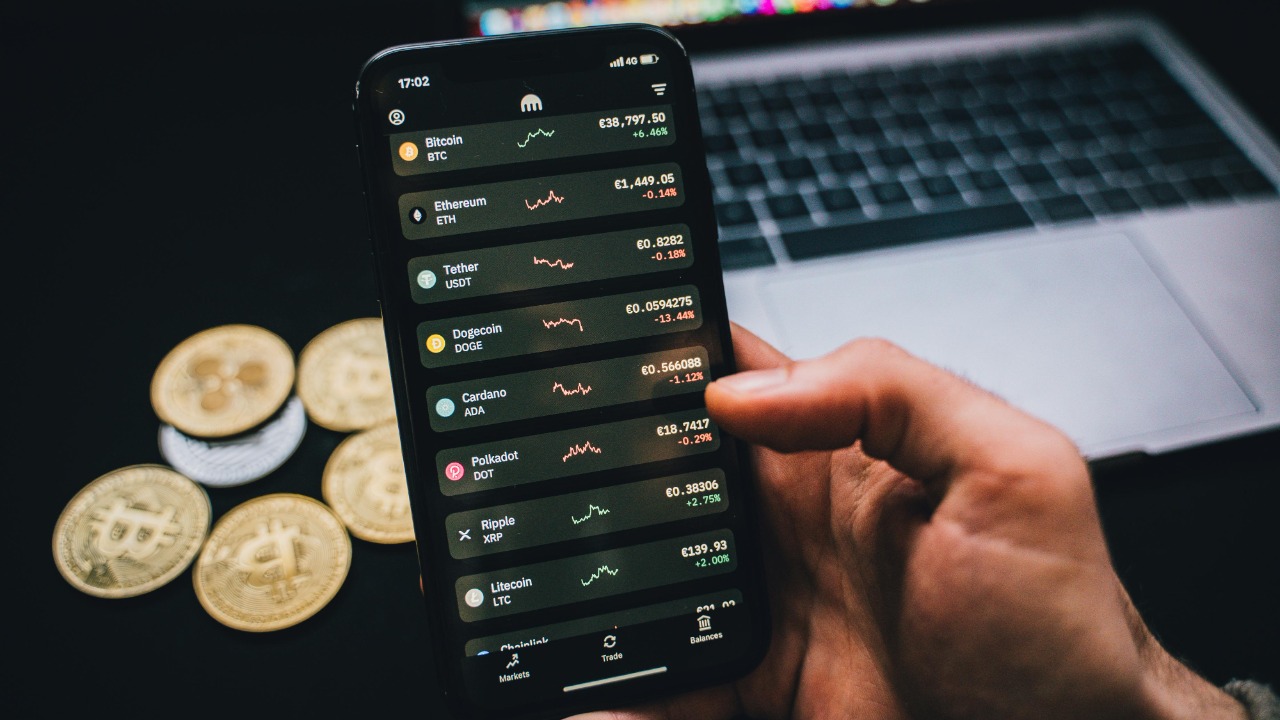
Ethereum and Solana are two of the most prominent smart contract platforms competing for supremacy in the blockchain industry. As the broader cryptocurrency market shows signs of recovery, both platforms are projected to experience significant price increases by 2026. While Ethereum continues to enhance its scalability, Solana’s SOL token faces varied predictions, with potential prices ranging from $150 to $450 depending on network performance and adoption. These forecasts highlight the intense competition between Ethereum’s scalability upgrades and Solana’s high-throughput design.
Ethereum’s Technological Foundations
Ethereum’s transition to a proof-of-stake consensus mechanism through the Merge upgrade marks a significant milestone in its evolution. This shift enhances Ethereum’s energy efficiency and security, which are critical factors for its long-term value growth as we approach 2026. The platform’s commitment to reducing its carbon footprint while maintaining robust security measures positions it favorably in the eyes of investors and developers alike.
Ethereum’s dominance in decentralized finance (DeFi) and non-fungible tokens (NFTs) further cements its leading role in the blockchain ecosystem. With metrics like total value locked surpassing its competitors, Ethereum remains a preferred choice for developers and users. Recent expert predictions suggest that Ethereum’s price potential remains strong, driven by its established market presence and ongoing innovations. The platform’s ongoing efforts to implement layer-2 rollups aim to reduce transaction costs and increase throughput, ensuring that Ethereum remains competitive without sacrificing decentralization.
Solana’s Scalability and Performance Edge
Solana’s proof-of-history consensus mechanism allows it to process up to 65,000 transactions per second, making it a faster alternative to Ethereum for decentralized application (dApp) development. This high throughput capability is a significant advantage for developers seeking to build scalable applications. Solana’s ecosystem has seen substantial growth in areas such as memecoins and gaming, with network fees remaining under $0.01 per transaction, attracting both developers and users.
Despite past network outages, such as the 2022 downtimes, Solana has made strides in improving its reliability. These improvements could potentially drive the SOL token’s price to $450 by 2026, according to some price forecasts. However, the platform’s future success hinges on its ability to maintain network stability and continue attracting a diverse range of projects.
Price Predictions and Market Forecasts
Expert analyses suggest that Ethereum could surpass $10,000 by 2026, driven by factors such as ETF approvals and increased institutional adoption. These projections highlight Ethereum’s potential to continue its upward trajectory, supported by its established market cap leadership and ongoing technological advancements. The platform’s ability to attract institutional interest further solidifies its position as a leading blockchain network.
In contrast, Solana’s SOL price targets present a more volatile outlook. While some forecasts predict a rise to $450 in a bullish market, others caution that the price could fall to $150 amid market volatility. These projections extend to 2030, reflecting the high-risk, high-reward profile of Solana compared to Ethereum’s more stable growth potential.
Risks and Adoption Challenges
Ethereum faces challenges such as high gas fees and slower transaction speeds, which could hinder mass adoption unless sharding is fully deployed by 2026. These barriers may limit Ethereum’s upside potential, emphasizing the importance of ongoing scalability upgrades to maintain its competitive edge. The platform’s ability to address these issues will be crucial in sustaining its growth and attracting new users.
Solana, on the other hand, grapples with centralization concerns due to its validator hardware requirements. These concerns could lead to regulatory scrutiny, potentially impacting the SOL token’s price and causing it to drop to $150 levels. The platform’s ability to address these centralization issues will be vital in maintaining investor confidence and ensuring long-term success.
Broader market factors, such as Bitcoin halving cycles and macroeconomic trends, also play a significant role in shaping the trajectories of both Ethereum and Solana through 2026. These external influences can impact investor sentiment and market dynamics, underscoring the importance of adaptability and resilience in the rapidly evolving cryptocurrency landscape.
More From TheDailyOverview
- Dave Ramsey says these two simple questions show whether you’re rich or poor
- Retired But Want To Work? Try These 18 Jobs for Seniors That Pay Weekly
- IRS raises capital gains thresholds for 2026 and what’s new
- 12 ways to make $5,000 fast that actually work

Elias Broderick specializes in residential and commercial real estate, with a focus on market cycles, property fundamentals, and investment strategy. His writing translates complex housing and development trends into clear insights for both new and experienced investors. At The Daily Overview, Elias explores how real estate fits into long-term wealth planning.

