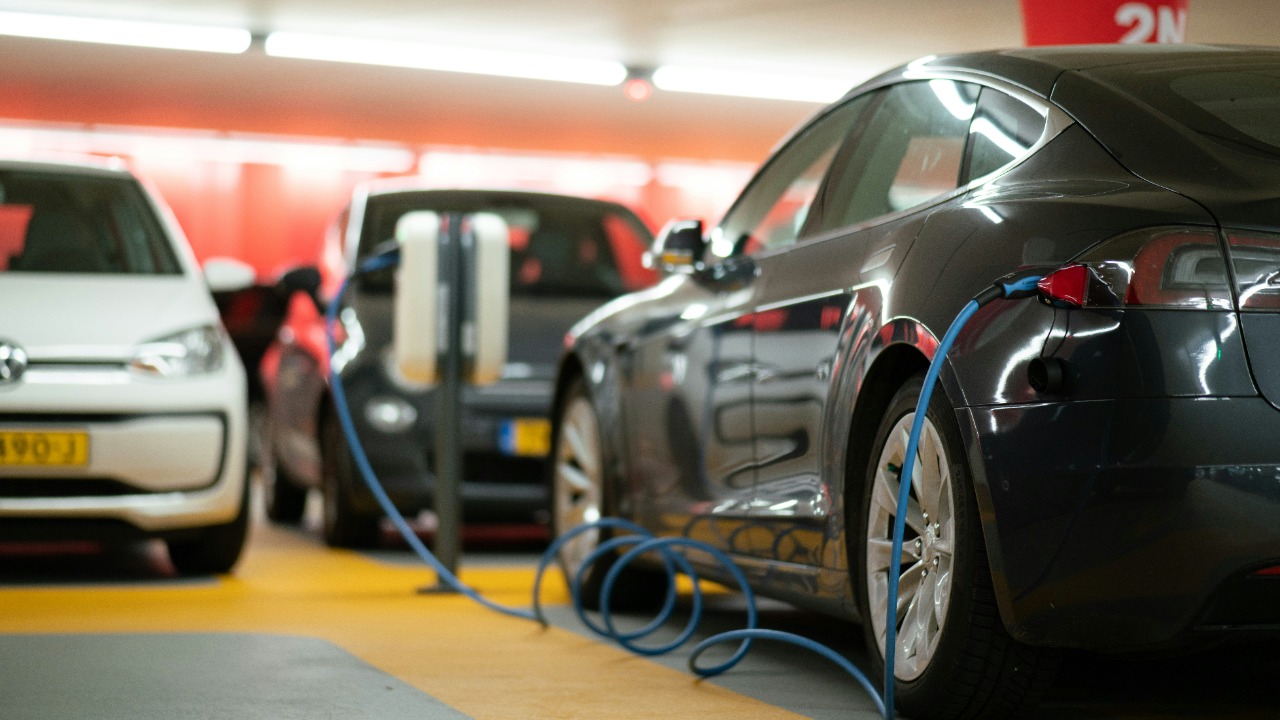
The electric-vehicle surge that once looked unstoppable is now colliding with economic gravity. Instead of a straight line to mass adoption, the market is entering a harsher phase in which slowing demand, rising costs, and a global price war are exposing which automakers misread the curve. I see a landscape where only the most efficient, well-capitalized players will survive the next few years intact.
The “EV winter” arrives just as legacy carmakers double down
The first sign that the boom has cooled is the shift from hypergrowth to what analysts are already calling an “EV winter.” Global sales of battery models are still rising, but the pace is weakening as subsidies fade and consumers balk at higher prices and patchy charging networks. Forecasts for 2026 point to slower growth in electric deliveries, particularly as Growth in China cools and that market winds down some of the incentives that fueled its early surge.
That cooling is colliding with a wave of investment from traditional manufacturers that spent the past five years racing to catch up. In the United States, overall new-vehicle demand remains healthy, with 2025 deliveries climbing to a six year high and total sales rising 6 percent, yet electric models have started to drag on the totals. Industry data show that EV sales fall, weighing on what would otherwise be an even stronger performance, a warning sign for companies that built their mid decade strategies around rapid battery adoption.
Price wars, overcapacity, and the China shock
As demand growth slows, the industry is responding in the bluntest way it knows: cutting prices. The global conversation heading into 2026 is no longer about who offers the longest range or the flashiest software, it is about who can survive a brutal price war that is spreading from China to Europe and North America. Analysts now argue that the EV boom is effectively over and that the price war will not spare most automakers, because once list prices are slashed, it is extremely difficult to rebuild margins without losing share.
Nowhere is this more visible than in China, where years of easy capital and industrial policy have produced a glut of factories and brands. The country has nearly 200 domestic competitors fighting for the same customers, and that overcapacity is now feeding a wave of dealership failures. Reporting from inside the market describes how Price Wars and Overcapacity Are Accelerating Closures Overproduction, with thousands of outlets shuttering as discounts erode profitability and undermine decades of dealership infrastructure. I see that as a preview of what happens when governments and investors push too many players into the same space without a realistic path to sustainable demand.
Winners, losers, and the slow lane of consumer demand
The shakeout is already claiming high profile victims. Tesla, which once defined the category, has lost its crown as the world’s largest EV maker after two consecutive years of falling sales. The company reported that it delivered 1.64 m vehicles, a figure that underscores how even a dominant brand can stumble when rivals undercut it on price and local incentives shift. As Tesla loses title as world’s biggest EV maker, it illustrates how quickly leadership can flip in a market where hardware is commoditizing and national champions in China and elsewhere are willing to accept thinner margins.
At the same time, consumer behavior is proving more stubborn than many climate roadmaps assumed. Surveys of drivers in the United States show that internal combustion and hybrid systems still dominate the primary car in most households, and that fully electric models remain a minority choice. Companies like Toyota has cited the impacts of new tariffs and rising costs as reasons to lean harder into hybrids, a strategy that looks increasingly rational as pure EV adoption stalls. I expect that divergence to widen: a handful of global giants and low cost Chinese specialists will endure the price war, while smaller and slower moving automakers, especially those that bet everything on premium EVs, are likely to be crushed by the very transition they once hoped would save them.
More From TheDailyOverview

Grant Mercer covers market dynamics, business trends, and the economic forces driving growth across industries. His analysis connects macro movements with real-world implications for investors, entrepreneurs, and professionals. Through his work at The Daily Overview, Grant helps readers understand how markets function and where opportunities may emerge.

