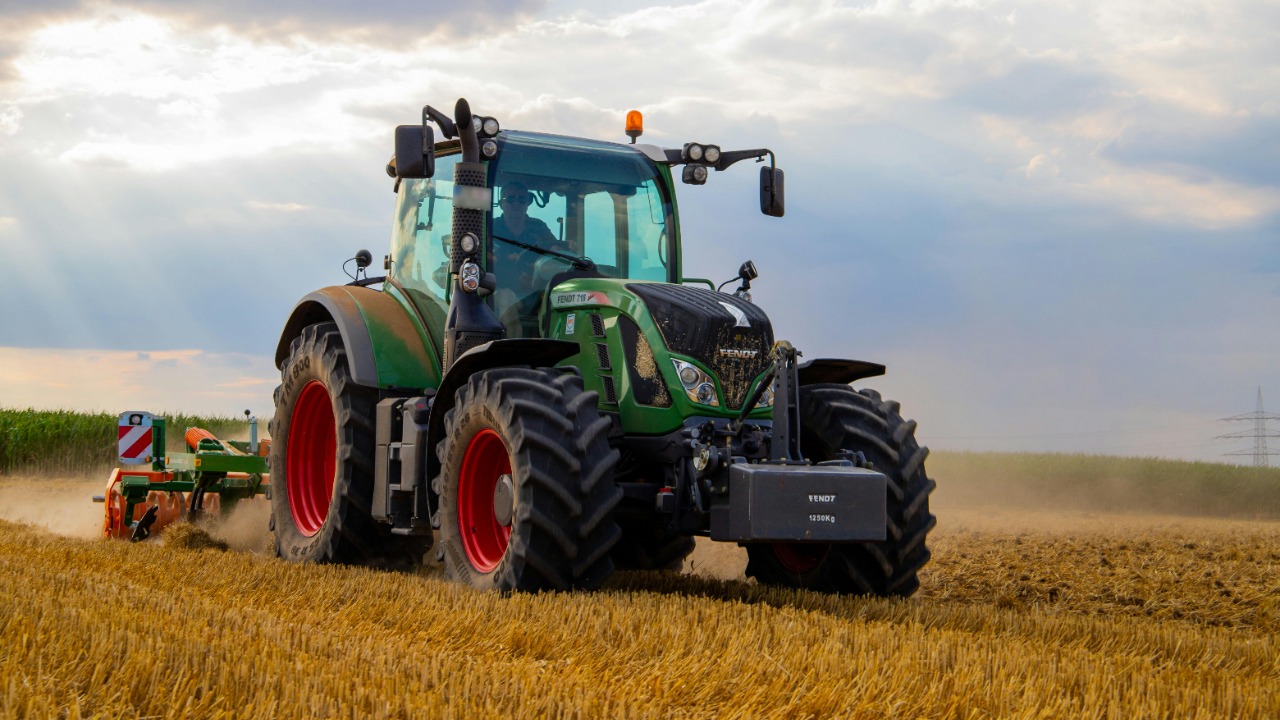
Across the farm belt, the cost of keeping modern machinery running has become a flashpoint, as growers push for the legal right to fix their own tractors instead of relying on expensive, tightly controlled dealer networks. At the center of the fight is software, which has turned once‑mechanical repairs into locked‑down digital procedures that many farmers say are driving up bills and downtime at the worst possible moments. I see a classic power struggle emerging between equipment makers that want to protect proprietary systems and producers who argue that without meaningful repair access, their businesses and rural economies are at risk.
Why tractor repair became a high‑stakes battle
The basic complaint from farmers is straightforward: when a tractor or combine breaks during planting or harvest, waiting for an authorized technician can mean losing a crop. Modern machines like the John Deere 8R series or Case IH Magnum rely on embedded software to control everything from fuel injection to GPS guidance, and that software is often locked behind proprietary tools and codes. As a result, what used to be a same‑day fix with a wrench can now require hauling equipment to a dealership, paying for a service truck, and covering diagnostic fees that stack on top of already steep parts prices, a pattern documented in reporting on right to repair disputes.
Manufacturers argue that these restrictions are necessary to protect safety, emissions compliance, and cybersecurity, since a poorly calibrated engine or hacked guidance system could have real‑world consequences. They point to the complexity of Tier 4 emissions controls and integrated telematics as reasons to keep core software off limits, a rationale that has surfaced repeatedly in coverage of regulatory complaints and antitrust scrutiny. Farmers counter that they are not asking to rewrite proprietary code, only to clear error messages, install replacement parts, and access diagnostic data on machines they already own, a distinction that sits at the heart of recent lawsuits and state‑level policy debates.
How software locks and dealer control drive up costs
For many operators, the financial strain shows up first in the service invoice. Reports from Midwestern growers describe routine electronic faults that immobilize tractors until a dealer technician arrives with a laptop to reset the system, often charging hundreds of dollars for what amounts to a software acknowledgement that a sensor has been replaced. In one widely cited complaint to regulators, farmers detailed how they were forced to pay dealer rates to unlock engines after installing perfectly compatible parts, because only authorized tools could sync the new hardware with the machine’s control unit, a pattern reflected in filings against major equipment brands.
Dealer consolidation has amplified that leverage. Over the past decade, many rural regions have seen independent shops absorbed into larger chains, leaving growers with fewer options and longer travel distances when something breaks. Investigations into the farm equipment market have highlighted how exclusive territories and software‑based restrictions can effectively steer all serious repairs back to the original seller, reinforcing a captive service model that critics say inflates costs and weakens local competition, as outlined in antitrust reviews of agricultural equipment markets. When a single dealership controls both the sale and the only practical repair channel for a $500,000 combine, the bargaining power imbalance is hard to miss.
Farmers’ legal and political push for repair rights
In response, farmers and advocacy groups have turned to regulators, courts, and state legislatures to force open the repair ecosystem. Complaints filed with the Federal Trade Commission accuse leading manufacturers of using software locks and contract terms to violate antitrust and consumer protection laws, arguing that the companies are tying repair services to equipment sales in ways that limit independent shops and inflate prices. These filings, which include detailed accounts from corn and soybean producers in states like Nebraska and Iowa, helped prompt federal scrutiny of repair restrictions across industries, with farm machinery singled out as a particularly acute example.
At the state level, lawmakers have introduced right‑to‑repair bills that would require manufacturers to provide access to diagnostic software, tools, and parts on fair and reasonable terms. Some proposals mirror existing automotive rules that already give independent garages the data they need to service cars, while others go further by explicitly covering agricultural and construction equipment. Reporting on legislative sessions in states such as Colorado and New York shows farm groups testifying that without statutory guarantees, voluntary agreements can be rolled back at any time, a concern that has shaped negotiations over ag‑focused repair bills and broader digital repair measures.
Manufacturer concessions and their limits
Facing political pressure and public criticism, several major manufacturers have announced agreements that promise farmers more repair flexibility. John Deere, for example, signed a memorandum of understanding with the American Farm Bureau Federation that pledged to make diagnostic tools, manuals, and training available to equipment owners and independent technicians on commercially reasonable terms. Coverage of that deal noted that it also asked Farm Bureau members to refrain from supporting additional right‑to‑repair legislation, effectively trading some voluntary access for a pause in lobbying, a tradeoff that has been dissected in analyses of the Deere‑Farm Bureau accord.
Critics say these concessions do not go far enough, because they leave core software controls and security‑locked functions firmly in manufacturer hands. Farmers who have tested the new tools report that they can read error codes and perform basic calibrations, but still cannot clear certain lockouts or install third‑party components without dealer intervention, limits that keep the most lucrative repair work inside the authorized network. Legal experts following the issue argue that without binding statutory rights, these memoranda can be revised or withdrawn unilaterally, a concern echoed in commentary on similar agreements between equipment makers and farm organizations.
What is at stake for rural economies and future tech
The outcome of this fight will shape more than just repair bills, because modern tractors sit at the center of a broader digital transformation in agriculture. Precision systems that control variable‑rate seeding, fertilizer application, and yield mapping depend on the same proprietary software stacks that govern engine performance, which means that whoever controls repair access also has leverage over data flows and future upgrades. Analysts warn that if farmers cannot maintain or modify these systems on their own terms, they risk becoming locked into closed ecosystems where switching brands or integrating independent tools becomes prohibitively expensive, a concern raised in research on digital agriculture platforms.
There is also a cultural dimension that is harder to quantify but no less real. For generations, farmers have prided themselves on being able to keep equipment running with ingenuity and basic tools, a self‑reliance that underpins both economic resilience and community identity. As more machines arrive with encrypted control units and remote monitoring that only the manufacturer can access, many growers see a shift from ownership to something closer to a long‑term lease on functionality, even when they hold the title. Whether regulators and lawmakers ultimately side with broad repair rights or accept narrower, software‑limited access will determine how much control the next generation of farmers has over the machines that power their livelihoods, a question that continues to drive hearings, comment periods, and policy proposals across the federal competition agenda.
More From TheDailyOverview
- Dave Ramsey says these two simple questions show whether you’re rich or poor
- Retired But Want To Work? Try These 18 Jobs for Seniors That Pay Weekly
- IRS raises capital gains thresholds for 2026 and what’s new
- 12 ways to make $5,000 fast that actually work

Grant Mercer covers market dynamics, business trends, and the economic forces driving growth across industries. His analysis connects macro movements with real-world implications for investors, entrepreneurs, and professionals. Through his work at The Daily Overview, Grant helps readers understand how markets function and where opportunities may emerge.

