The Federal Reserve has announced new interest rate cuts set to take effect in 2025, a decision that has sparked widespread discussion among economists, policymakers, and market participants. This move is seen as a response to evolving economic conditions, aiming to stimulate growth and manage inflationary pressures. The implications and potential outcomes of this policy shift are complex and could have significant impacts on various sectors of the U.S. economy.
Understanding the Federal Reserve’s Decision
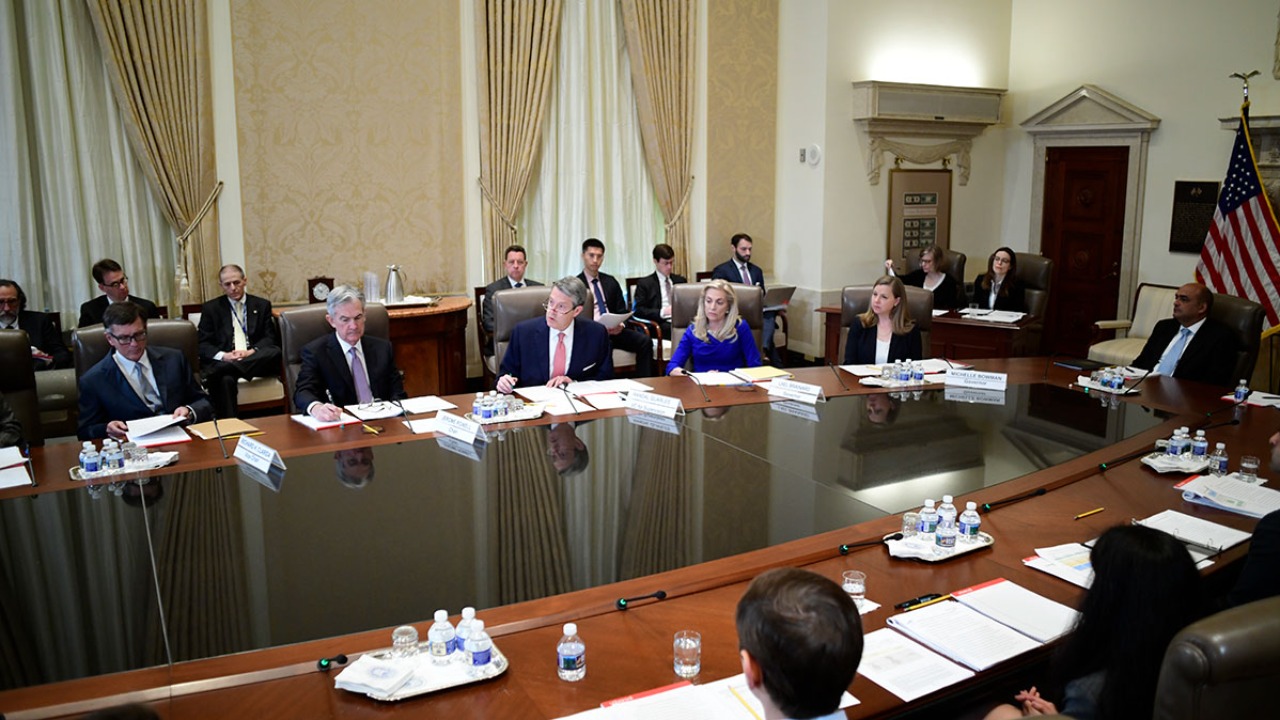
The Federal Reserve’s July 2025 meeting was marked by intense discussions and a critical voting process. The decision to cut interest rates was not unanimous, reflecting the complexity and diversity of opinions within the committee. The meeting’s minutes revealed a focus on current economic indicators, such as employment rates and consumer spending trends, and how these factors influence monetary policy. The Fed’s decision was largely driven by the need to address slow economic growth and moderate inflation rates, as highlighted in Fox Business.
Several factors influenced the decision to cut rates, including global economic conditions that continue to evolve. Factors such as geopolitical tensions, fluctuating commodity prices, and the performance of major trading partners played significant roles. Fed officials, including those who supported the rate cuts, emphasized the need to maintain economic stability and foster growth. However, opponents argued that further rate cuts might undermine efforts to control inflation, as discussed in a Yahoo Finance article, where Fed’s Bowman presents a case for the cuts despite voting against the July hold.
Implications for the U.S. Economy

The anticipated interest rate cuts could have significant implications for consumer spending and borrowing. Lower rates typically encourage consumers to spend more, as borrowing costs decrease, making it cheaper to finance large purchases such as homes and cars. This could lead to an increase in household consumption, providing a boost to the economy. However, the impact on inflation must be carefully managed to prevent overheating the economy. Balancing growth with inflation containment is a delicate task for the Fed.
Long-term economic growth prospects are another critical consideration. Experts predict that the rate cuts could stimulate economic activity, potentially leading to job creation and increased investment. Nevertheless, some caution that the benefits may be limited if underlying structural issues are not addressed. The potential for increased inflationary pressures remains a concern, necessitating vigilant monitoring and possible future policy adjustments to maintain economic stability, as detailed in this Brookings study.
Global Economic Reactions

International markets are closely watching the U.S. interest rate changes, as they have far-reaching implications. Many countries may adjust their monetary policies in response, creating a ripple effect across global financial markets. The U.S. dollar’s valuation could experience fluctuations, impacting foreign exchange markets and international trade dynamics. These shifts could either bolster or hinder U.S. exports, depending on how the dollar’s value changes relative to other currencies.
Comparisons with other central banks highlight the Fed’s unique position in the global economy. While some central banks may follow suit and cut rates, others might adopt a more cautious approach, keeping rates steady or even raising them to combat their own inflationary pressures. This divergence in monetary policy could lead to an interesting global financial landscape in 2025. An analysis of historical trends and current economic data can provide insights into how different economies might react, as discussed in this UK Parliament briefing.
Market and Investment Strategies

The stock market’s outlook is likely to be influenced by the rate cuts, with different sectors reacting in varied ways. Generally, lower interest rates can lead to increased stock market activity, as investors seek higher returns than those offered by bonds and savings. Sectors such as technology and consumer goods might benefit from increased consumer spending, while financial institutions could face pressure due to narrower interest margins.
The bond market dynamics are also expected to shift, with bond yields potentially decreasing as a result of the rate cuts. This could affect fixed-income investments, prompting investors to reassess their portfolios and consider alternative strategies. Investment strategies for 2025 may need to adapt to these changes, with experts recommending a diversified approach to navigate the evolving financial landscape. Understanding the implications of these changes is crucial, as highlighted in Fidelity’s guide on Fed meetings.
Criticisms and Support for the Rate Cuts
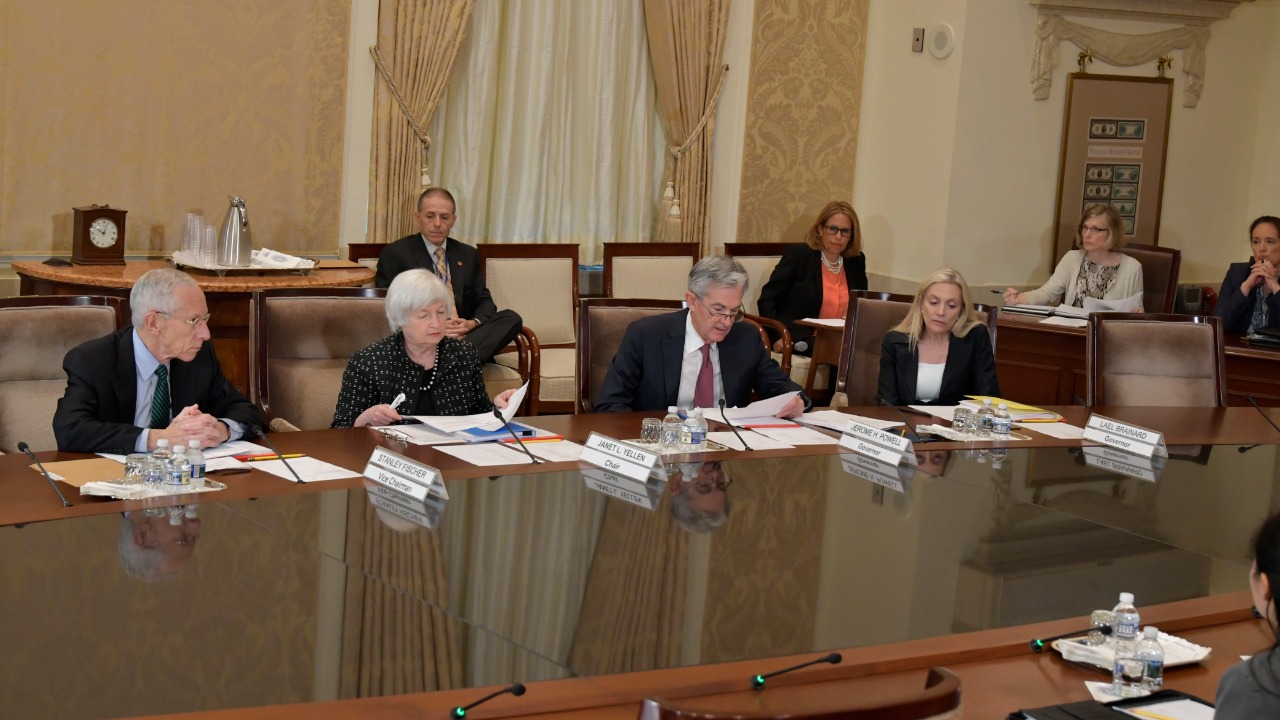
The decision to cut interest rates has sparked a wide range of opinions from economists and policymakers. Supporters argue that the cuts are necessary to stimulate economic growth and prevent potential recessionary pressures. They point to historical instances where rate cuts have successfully revitalized sluggish economies. However, critics warn of the potential risks associated with prolonged low interest rates, such as asset bubbles and increased debt levels.
Historical comparisons can offer valuable lessons, providing context for the current rate cuts. Previous adjustments have shown mixed results, underscoring the complexity of monetary policy. Future policy considerations will likely depend on how the economy responds to these changes and the feedback loop between economic indicators and Fed actions. The potential for further adjustments remains, as the Fed seeks to navigate a challenging economic environment.

Grant Mercer covers market dynamics, business trends, and the economic forces driving growth across industries. His analysis connects macro movements with real-world implications for investors, entrepreneurs, and professionals. Through his work at The Daily Overview, Grant helps readers understand how markets function and where opportunities may emerge.

