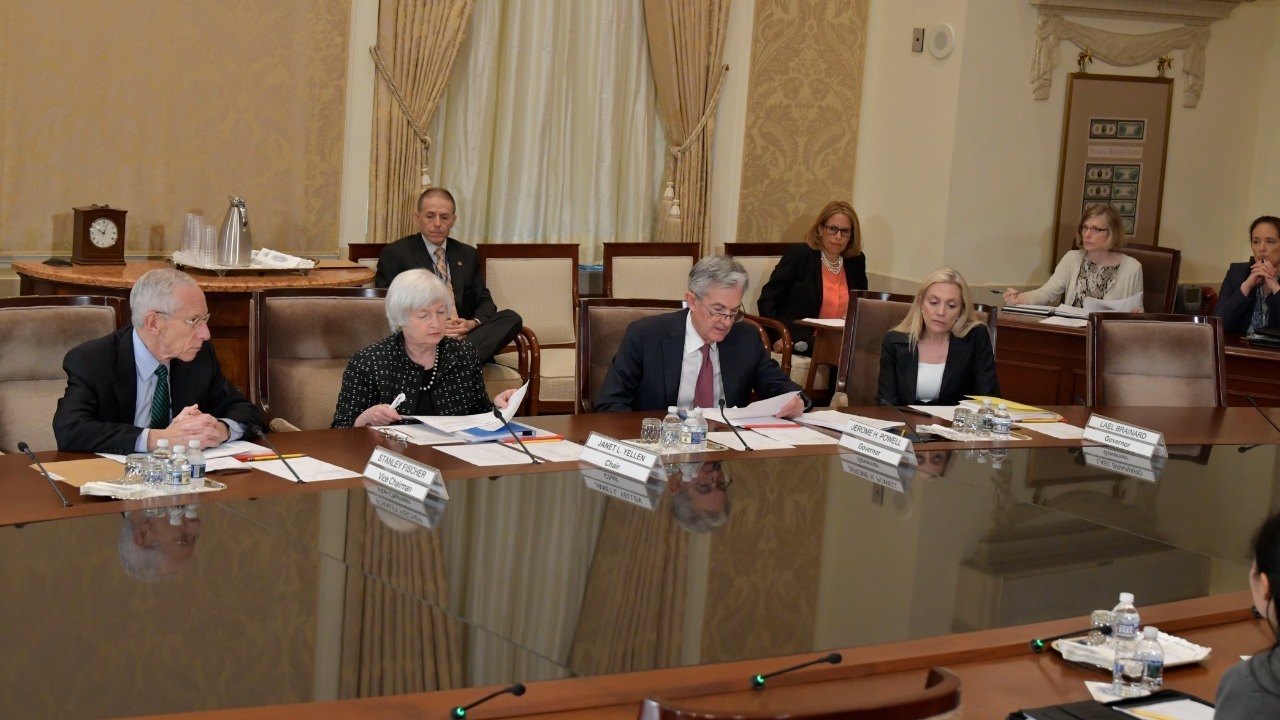
The Federal Reserve has announced a quarter-point interest rate cut, marking the first such adjustment this year. This decision, made on September 17, 2025, aims to bolster economic growth amid ongoing uncertainties. The move is expected to have significant implications for consumers, businesses, and investors, as reported by The New York Times and AllSides.
Federal Reserve’s Decision
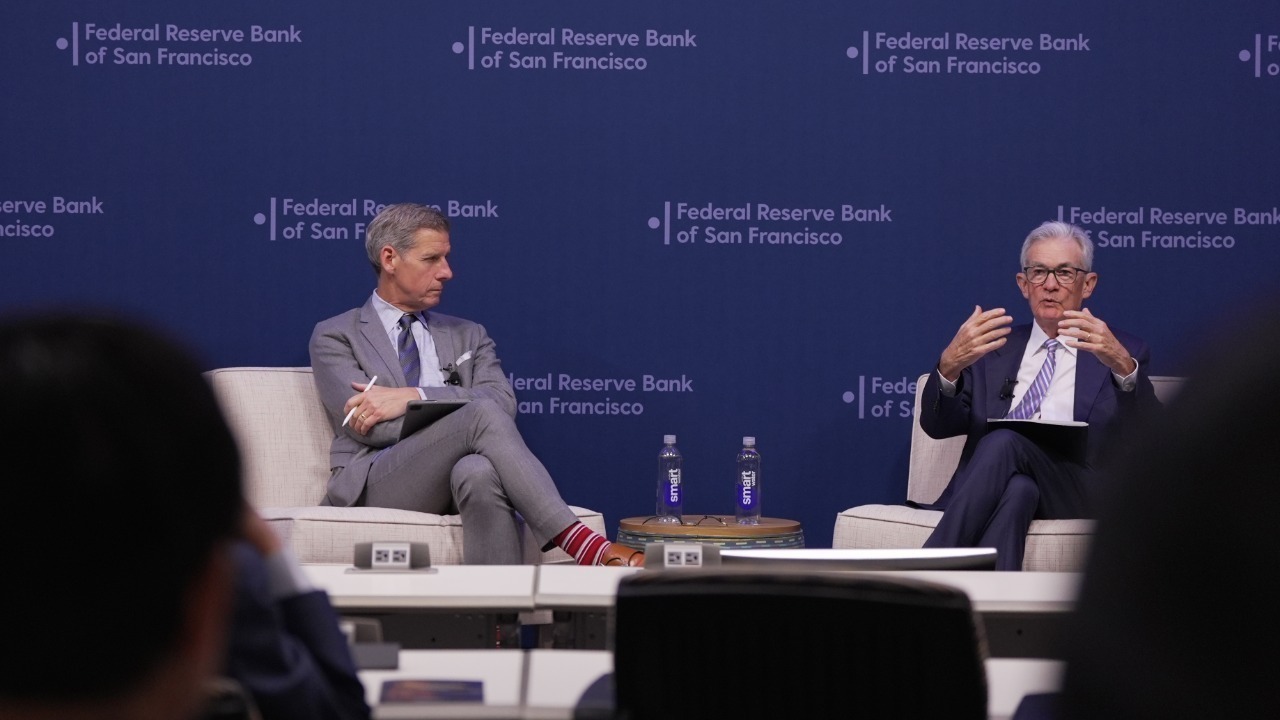
The Federal Reserve’s decision to cut interest rates marks the first rate adjustment of 2025. This move is a strategic response to address economic uncertainties and stimulate growth. According to AllSides, the rate cut comes after a period of steady interest rates earlier in the year, reflecting the Fed’s proactive stance in managing economic challenges.
By reducing the interest rates, the Federal Reserve aims to encourage borrowing and investment, which are crucial for economic expansion. The decision aligns with the Fed’s broader strategy to maintain economic stability and support job growth, as highlighted by The New York Times. This adjustment is seen as a necessary measure to counteract potential slowdowns in economic activity.
The decision to cut rates is also seen as a preemptive measure to counteract potential global economic headwinds. With geopolitical tensions and trade disputes affecting international markets, the Federal Reserve aims to insulate the U.S. economy from external shocks. As reported by The New York Times, this move is part of a broader strategy to ensure that the domestic economy remains resilient in the face of global uncertainties. Furthermore, the Fed’s decision reflects its dual mandate to promote maximum employment and stable prices, balancing these objectives in a complex economic environment.
Impact on Consumers

For consumers, the interest rate cut could lead to lower borrowing costs, making loans more affordable. This is particularly beneficial for individuals with existing loans, as they may see a reduction in their monthly payments. As noted by AllSides, the housing market might also experience increased activity as mortgage rates adjust, potentially making homeownership more accessible to a broader range of buyers.
However, the rate cut may have a downside for savers, who could see lower returns on interest-bearing accounts. This shift might prompt individuals to reassess their personal savings strategies, as highlighted by The New York Times. Consumers will need to weigh the benefits of lower borrowing costs against the potential decrease in savings income.
Additionally, the rate cut could stimulate consumer spending by increasing disposable income. As borrowing becomes cheaper, consumers might be more inclined to finance large purchases such as cars and appliances, potentially boosting retail sales. According to AllSides, this increase in consumer activity could help drive economic growth, as consumer spending accounts for a significant portion of the GDP. However, consumers should remain cautious of accumulating excessive debt, which could become burdensome if interest rates rise in the future.
Business and Investment Effects

Businesses stand to benefit from the Federal Reserve’s decision, as lower interest rates can reduce the cost of financing expansion and operational expenses. This could lead to increased business investments and growth opportunities, as reported by AllSides. Companies may find it more feasible to undertake new projects or expand existing operations under these favorable borrowing conditions.
Investors, on the other hand, might need to reassess their portfolios in response to the changing interest rate environment. The stock market’s reaction to the rate cut could influence short-term investment strategies, as noted by The New York Times. Investors will need to navigate these changes carefully to optimize their returns in a shifting economic landscape.
Moreover, the rate cut could lead to a more favorable environment for startups and small businesses, which often rely on loans for initial funding and expansion. Lower interest rates reduce the cost of capital, making it easier for these businesses to secure the necessary funds to grow. As highlighted by The New York Times, this could result in increased innovation and job creation, contributing positively to the broader economy. Additionally, businesses may experience improved cash flow, allowing them to invest in new technologies and workforce development.
Broader Economic Implications

The Federal Reserve’s rate cut reflects its strategic response to current economic challenges. Analysts are closely monitoring the potential impacts on inflation and employment rates, as highlighted by AllSides. The decision underscores the Fed’s commitment to fostering a stable economic environment amid global uncertainties.
Moreover, the global economic landscape may also be influenced by this decision, affecting international trade and finance. As reported by The New York Times, the rate cut could have ripple effects across global markets, potentially impacting international economic relations and trade dynamics.
The rate cut also has implications for the U.S. dollar’s strength in international markets. A lower interest rate environment can lead to a depreciation of the currency, making U.S. exports more competitive abroad. This could help reduce the trade deficit by boosting export volumes, as noted by AllSides. However, a weaker dollar might increase the cost of imports, potentially affecting domestic inflation rates. Policymakers will need to monitor these dynamics closely to ensure that the benefits of the rate cut outweigh any adverse effects on the economy.

Grant Mercer covers market dynamics, business trends, and the economic forces driving growth across industries. His analysis connects macro movements with real-world implications for investors, entrepreneurs, and professionals. Through his work at The Daily Overview, Grant helps readers understand how markets function and where opportunities may emerge.

