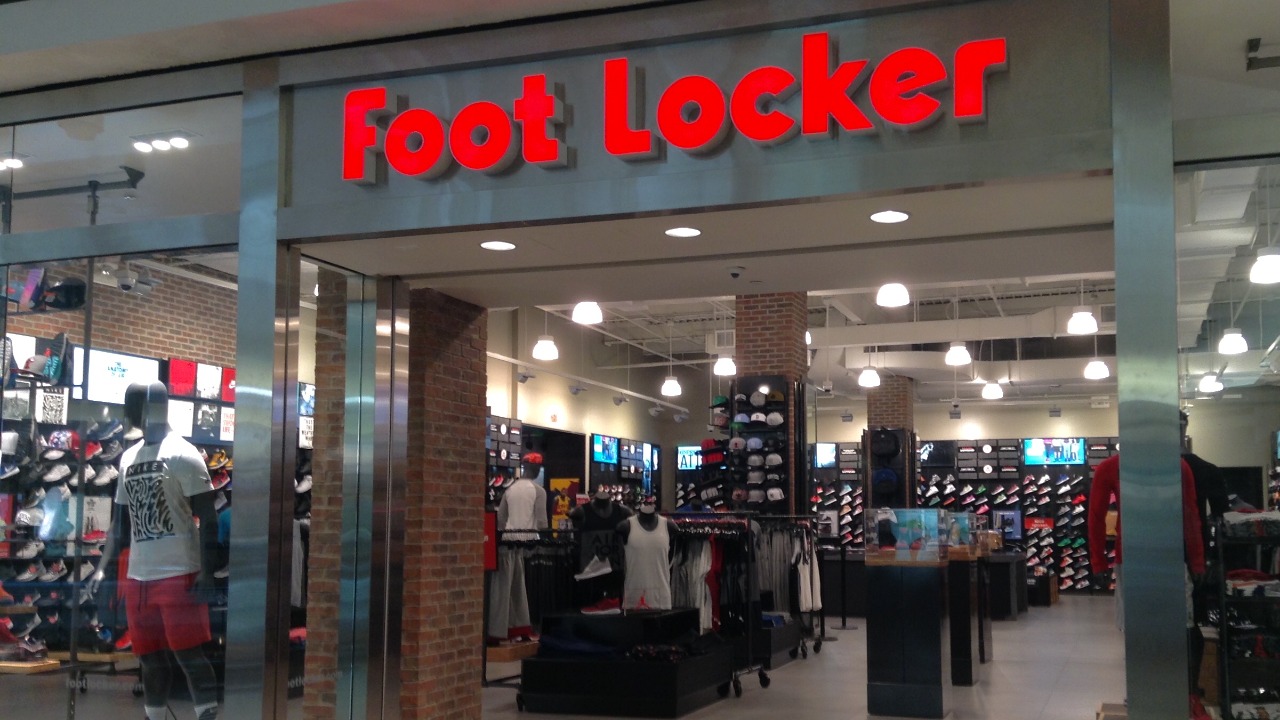
Foot Locker, a leading retailer in athletic footwear and apparel, is set to close a significant number of its stores in the United States and Canada. This decision is part of a broader strategic restructuring aimed at addressing declining foot traffic in traditional retail centers. The closures reflect a shift in consumer behavior, with more shoppers opting for online platforms and outlet alternatives. Company executives have described the current retail environment as “exceptionally challenging,” highlighting the potential ripple effects for the sector.
Foot Locker’s Restructuring Strategy
Foot Locker’s announcement to close stores is a strategic move to streamline operations and reduce overhead costs. The company has identified underperforming locations based on sales data and regional market shifts. While the exact number of closures and their timing remain fluid, the initiative underscores a need for adaptation in a competitive landscape. Executives have framed these closures as necessary steps to ensure long-term viability, emphasizing the importance of focusing resources on more profitable locations.
The decision to close stores is not isolated but part of a larger trend within the retail industry. As Foot Locker navigates these changes, the company aims to optimize its store portfolio by concentrating on areas with higher growth potential. This approach is intended to bolster the company’s market position amidst evolving consumer preferences and economic pressures.
Shifting Consumer Behaviors Driving Closures
The decline in foot traffic at traditional retail centers has been a significant factor in Foot Locker’s decision to close stores. Consumers are increasingly turning to e-commerce, which offers convenience and often competitive pricing. This shift has led to reduced in-store visits, prompting Foot Locker to reevaluate its physical presence. Additionally, the rise of outlet stores and direct-to-consumer channels has further cannibalized sales from mall-based locations.
Industry experts warn of an “exceptionally challenging” period for retail, as broader declines in foot traffic exacerbate pressures on chains like Foot Locker. The company is not alone in facing these challenges; many retailers are grappling with similar issues as they adapt to a rapidly changing market landscape. The need to balance physical and digital retail strategies is more critical than ever.
Impact on Employees and Local Communities
The closure of Foot Locker stores will have significant implications for employees and local communities. Thousands of associates may face job losses as a result of the store closures. This impact extends beyond the employees to the communities that rely on Foot Locker as an anchor tenant in shopping centers. Reduced economic activity in these areas could lead to further challenges for local businesses and economies.
In response to these potential impacts, Foot Locker has reportedly considered support measures for affected employees, such as severance packages and relocation opportunities. These efforts aim to mitigate the human cost of the closures, although the full extent of support remains to be seen. The company’s actions will be closely watched as stakeholders assess the broader implications of these changes.
Broader Retail Industry Closures in June
Foot Locker’s store closures are part of a larger wave of retail shutdowns occurring in June. According to a report, several retailers are closing locations permanently, citing similar challenges such as rising operational costs and shifting consumer preferences. This trend highlights the ongoing transformation within the retail industry, where traditional brick-and-mortar formats are increasingly under pressure.
Common factors driving these closures include the need to adapt to digital retail environments and the economic realities of maintaining physical stores. Retailers are reassessing their strategies to remain competitive, often opting to invest in online platforms and innovative customer engagement methods. As store chiefs warn of an “exceptionally challenging” time, the retail landscape continues to evolve, with companies like Foot Locker at the forefront of navigating these changes.
More From TheDailyOverview
- Dave Ramsey says these two simple questions show whether you’re rich or poor
- Retired But Want To Work? Try These 18 Jobs for Seniors That Pay Weekly
- IRS raises capital gains thresholds for 2026 and what’s new
- 12 ways to make $5,000 fast that actually work

Grant Mercer covers market dynamics, business trends, and the economic forces driving growth across industries. His analysis connects macro movements with real-world implications for investors, entrepreneurs, and professionals. Through his work at The Daily Overview, Grant helps readers understand how markets function and where opportunities may emerge.

