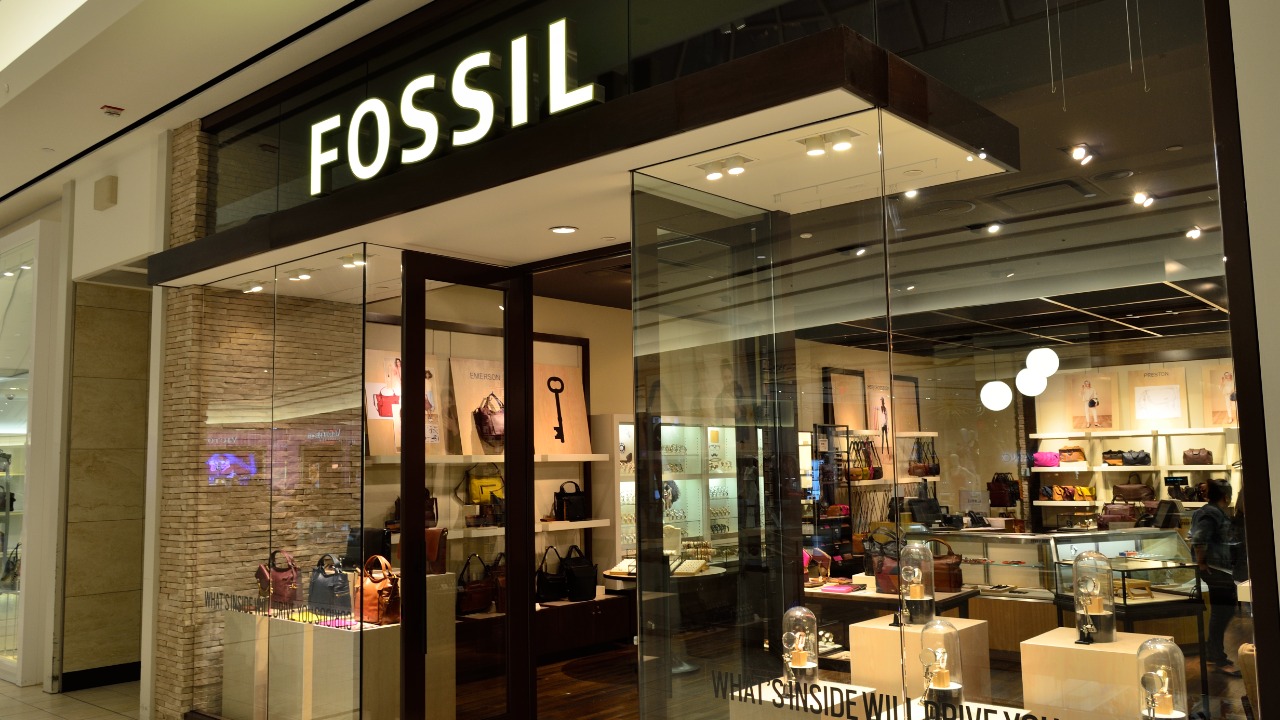
Fossil Group, the iconic American watch and accessories maker headquartered in Richardson, Texas, has filed for Chapter 11 bankruptcy protection. The company cites over $300 million in debt and the impact of escalating U.S. tariffs on Chinese imports as key factors in its financial distress. The filing, made in the U.S. Bankruptcy Court for the District of Delaware, lists both assets and liabilities in the range of $100 million to $500 million, underscoring the severe challenges faced by consumer goods companies in the current tariff environment.
Fossil’s Financial Downfall
Fossil’s financial woes are deeply rooted in its debt structure, which includes $150 million in secured term loans from major lenders like JPMorgan Chase and $100 million in unsecured notes due in 2025. These financial obligations have become increasingly burdensome as the company’s revenue has declined. Notably, Fossil experienced a 15% drop in quarterly revenue, falling to $400 million in the fourth quarter of 2023 from $470 million in the same period the previous year. This decline is largely attributed to the increased costs of smartwatch components sourced from China, which have been exacerbated by tariffs. CEO Kosta Kartsotis has openly acknowledged the impact of tariffs on the company’s profitability, stating in the bankruptcy filing that “tariffs have squeezed margins by 20% since 2018.” This admission highlights the significant pressure that trade policies have placed on Fossil’s bottom line, as detailed in the company’s SEC filings and court documents.
The Tariff Trigger
The tariffs that have contributed to Fossil’s financial struggles were imposed under Section 301, initially set at 10% in 2018 on $200 billion worth of Chinese goods, including electronics like Fossil’s wearables. By 2019, these tariffs had escalated to 25%, significantly increasing the cost of goods sold. Fossil’s supply chain is heavily reliant on China, with 70% of its products manufactured in facilities located in Shenzhen and Dongguan. This reliance has resulted in an additional $50 million in annual costs, which the company has struggled to pass on to retailers. Industry analysts, such as those from Barclays, have noted that these tariffs have added approximately $0.50 per unit to the cost of Fossil watches, making them less competitive against rivals like Apple. This analysis, supported by reports from Reuters and other trade publications, underscores the broader challenges faced by companies operating in tariff-affected sectors.
Bankruptcy Filing Details
Fossil’s Chapter 11 filing outlines a plan to continue operations as a debtor-in-possession, supported by $75 million in debtor-in-possession financing from existing creditors. This financing is intended to maintain inventory levels during the restructuring process. The creditor matrix attached to the Delaware filing lists major creditors, including suppliers like Foxconn and department stores such as Macy’s, who are collectively owed $200 million. The company’s assets, including trademarks and inventory, have been appraised at $250 million. These assets may be subject to sale under Section 363 of the Bankruptcy Code, providing a potential path for Fossil to restructure its operations and emerge from bankruptcy.
Broader Industry Impact
Fossil’s bankruptcy is not an isolated incident but rather part of a broader trend affecting companies impacted by tariffs. For example, GoPro, another consumer electronics brand, was forced to shutter its U.S. manufacturing operations in 2019 due to 25% duties on cameras, resulting in a significant stock drop. This case, covered in detail by the Wall Street Journal, illustrates the widespread effects of trade policies on American businesses. The ripple effects of Fossil’s bankruptcy are also being felt by U.S. retailers, with companies like Walmart and Best Buy facing the prospect of writing down $20 million in unsold inventory from 2023 shipments. This situation highlights the interconnected nature of the consumer goods supply chain and the challenges faced by retailers in managing inventory amid shifting trade dynamics. Potential outcomes for Fossil include a stalking horse bid from private equity firms like Movado Group, which has expressed preliminary interest in acquiring Fossil’s brand assets for $150 million. Such a move could provide a lifeline for the company, allowing it to restructure and potentially regain its footing in the competitive watch and accessories market.
More From TheDailyOverview
- Dave Ramsey says these two simple questions show whether you’re rich or poor
- Retired But Want To Work? Try These 18 Jobs for Seniors That Pay Weekly
- IRS raises capital gains thresholds for 2026 and what’s new
- 12 ways to make $5,000 fast that actually work

Grant Mercer covers market dynamics, business trends, and the economic forces driving growth across industries. His analysis connects macro movements with real-world implications for investors, entrepreneurs, and professionals. Through his work at The Daily Overview, Grant helps readers understand how markets function and where opportunities may emerge.

