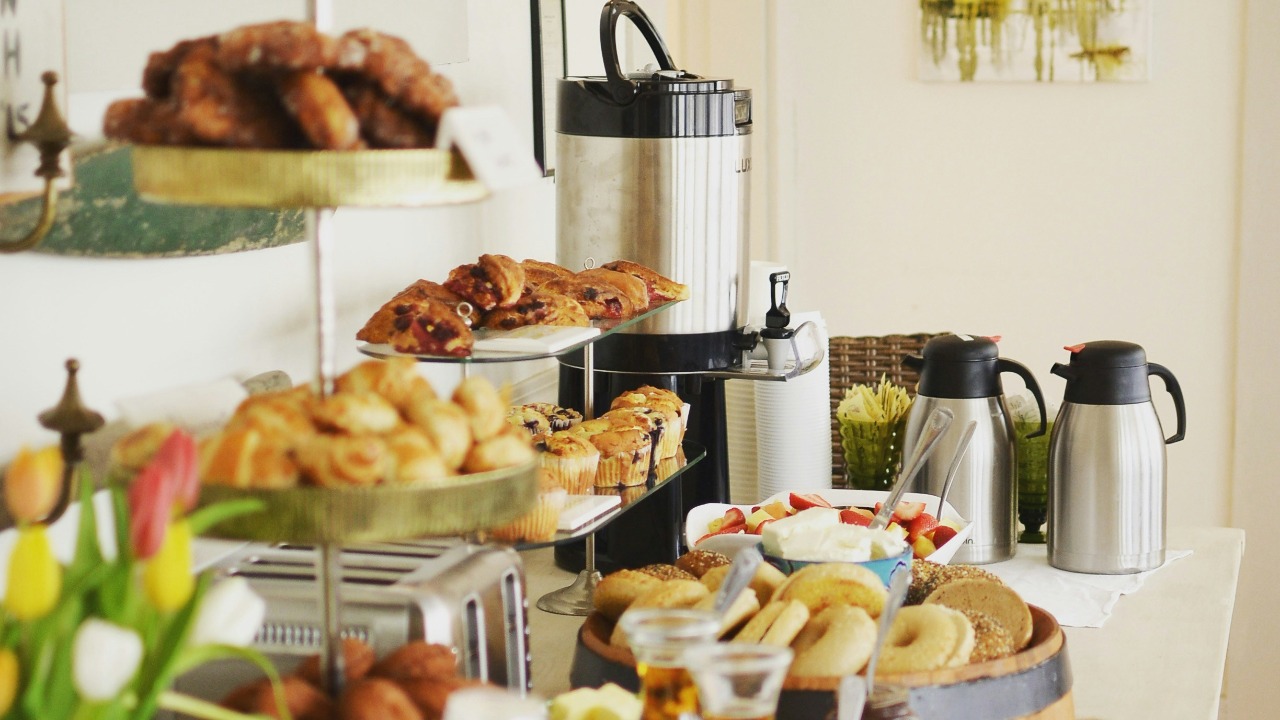
Hyatt Place is testing a paid breakfast option at more than 40 U.S. hotels, putting pressure on one of the most reliable perks in mid-tier lodging. The pilot suggests something broader than a single brand trimming costs: as inflation and labor expenses squeeze hotel operators at every level, the complimentary morning meal is increasingly a dividing line between travelers who can access premium loyalty benefits and those who cannot. What is unfolding across hotel brands looks less like a temporary adjustment and more like a shift shaped by a K-shaped recovery in American travel.
Rising Costs Force Hotels to Rethink Freebies
The math behind a “free” breakfast buffet has changed sharply. A CBRE analysis drawing on a preliminary sample of 2,600 U.S. hotels found that complimentary food and beverage costs rose 3.9% in 2024, layered on top of persistent labor cost increases that have compounded since the pandemic. For select-service properties, where breakfast is often the only food operation on site, those increases land harder because there is no high-margin restaurant or bar to offset them. When the same number of waffles suddenly costs significantly more to produce and serve, the economics of giving them away starts to look untenable.
Hyatt’s own regulatory filings lay out the pressure in plain terms. The company’s 10-K for fiscal year 2024 identifies inflation, labor shortages, and rising operating costs as material risk factors affecting its business, with particular weight on properties that depend on brand-standard amenities and loyalty economics to attract guests. The filing does not single out breakfast by name, but the cost dynamics it describes, especially around staffing and food inputs, map directly onto the line items that make a complimentary morning spread expensive to maintain. When egg prices spike and line cooks are harder to hire, something has to give, and breakfast is one of the few visible levers operators can pull without directly raising the advertised nightly rate.
Hyatt Place’s Paid Breakfast Pilot
What gave is now visible in booking screens. A Hyatt spokesperson confirmed that the company is running a U.S. pilot in which some Hyatt Place properties sell a room rate without breakfast, while others are testing grab-and-go alternatives in place of the traditional buffet. Concrete booking examples show the breakfast add-on appearing as a separate charge, with rate differentials making the cost of the meal explicit rather than bundled. For guests used to assuming that a mid-priced hotel stay automatically came with coffee, eggs, and cereal downstairs, the shift from “of course it’s included” to “please select your breakfast package” can feel jarring.
The pilot is not uniformly harsh. Globalist members, Hyatt’s top-tier loyalty elite, continue to receive complimentary breakfast regardless of the rate plan selected, effectively shielding the chain’s most valuable guests from the new fees. That last detail matters. By preserving the perk for high-status guests while removing it for everyone else, Hyatt is drawing a visible line between its most frequent customers and casual bookers. The structure mirrors what airlines did years ago with checked bags: the fee is technically optional, but the practical effect is a two-tier experience where loyalty insiders fly (or sleep) in a different world than everyone else. For a family booking a road-trip stay at a Hyatt Place off the interstate, breakfast going from included to a per-person surcharge changes the value equation overnight and can erase the perceived savings of a slightly lower base rate.
A K-Shaped Split Across the Industry
Hyatt is not operating in isolation. Reporting on major chains indicates a broader pullback on complimentary breakfast, with several popular flags testing whether guests will accept separate breakfast-inclusive and breakfast-excluded rates as a new normal. The logic is straightforward: if a hotel can advertise a lower base rate by unbundling breakfast, it may attract price-sensitive travelers who would otherwise book a competitor, while still generating incremental revenue from guests who opt into the morning meal.
But that logic assumes travelers behave like rational price optimizers, and brand loyalty rarely works that way. Free breakfast has long been one of the clearest reasons budget and mid-tier guests choose one chain over another. It is a tangible, daily benefit that shapes how people feel about a stay, especially families and business travelers on per diems who count on a predictable, no-surprises start to the day. Stripping it out risks turning a brand differentiator into a commodity, where the only remaining competition is on nightly rate and room cleanliness. If Holiday Inn, Hampton, and Hyatt Place all move toward paid or reduced breakfast, the mid-market hotel experience starts to feel interchangeable. In that world, guests have little reason to remain loyal to any one chain, especially if they are not already close to elite status.
Loyalty Programs as the New Dividing Line
The deeper story here is about who hotel companies are choosing to serve. Hyatt’s annual filing makes clear that its loyalty program, World of Hyatt, is central to its growth strategy, with the company investing in member acquisition and tier benefits to drive direct bookings and reduce reliance on third-party platforms. Keeping breakfast free for Globalists while charging others is consistent with that approach: it rewards the guests who generate the most lifetime value while reducing costs on stays that may be one-time or low-margin. In effect, breakfast becomes a currency that is earned through nights and spending, not a standard feature of the brand.
That strategy carries a risk the industry may be underestimating. Loyalty programs work because they create a plausible aspiration. A mid-tier member tolerates a few inconveniences because the path to elite status, and its perks, feels achievable over a couple of years of travel. Once breakfast becomes a visible marker of who matters and who does not, the aspirational pull weakens. A guest who sees a Globalist eating a hot meal while paying $15 for the same plate is not inspired to earn more points; that guest is annoyed, and annoyed guests shop around or turn to online travel agencies that make it easier to compare total stay costs. Building brand architecture around a K-shaped economy assumes the split between high-spending elites and everyone else is permanent, but economic cycles have a way of softening those divides. If demand cools or corporate travel budgets tighten, hotels may find that they have alienated the very mid-market customers they will need most.
What Disappearing Breakfast Means for Travelers
For the average traveler, the practical impact is already here. Booking a mid-tier hotel now increasingly requires reading the fine print on breakfast inclusion, comparing different rate plans, and factoring in per-person meal costs that can add meaningful extra expense for a family of four. A road-trip stop that once felt like a simple, all-in price now demands mental math: is the “room only” rate really cheaper once you add coffee and food from the lobby, or would a slightly more expensive competitor that still bundles breakfast be a better deal? Travelers who rely on per diems or tight leisure budgets are the ones most exposed to surprise charges at check-in.
In the near term, guests can protect themselves by treating breakfast as a variable, not a given. That means checking rate descriptions carefully, comparing total stay costs across brands, and considering alternatives such as limited-service properties that still guarantee a basic buffet. Over time, however, the erosion of complimentary breakfast signals a broader shift in how mid-tier hotels define value. The industry is moving toward a world where the best perks live behind a loyalty wall and the base experience is stripped back to the essentials. Whether travelers accept that trade-off will determine if Hyatt’s pilot becomes a permanent template or a short-lived experiment that sends brands back to the buffet line.
More From The Daily Overview
*This article was researched with the help of AI, with human editors creating the final content.

Grant Mercer covers market dynamics, business trends, and the economic forces driving growth across industries. His analysis connects macro movements with real-world implications for investors, entrepreneurs, and professionals. Through his work at The Daily Overview, Grant helps readers understand how markets function and where opportunities may emerge.

