
As someone who has learned the value of a dollar through years of hard work, I’ve come to appreciate the frugal habits that Boomers swear by. These practices not only stretch your budget but also instill a sense of resourcefulness and sustainability. Let’s dive into these timeless money-saving habits that are as practical today as they were decades ago.
Coupon Clipping
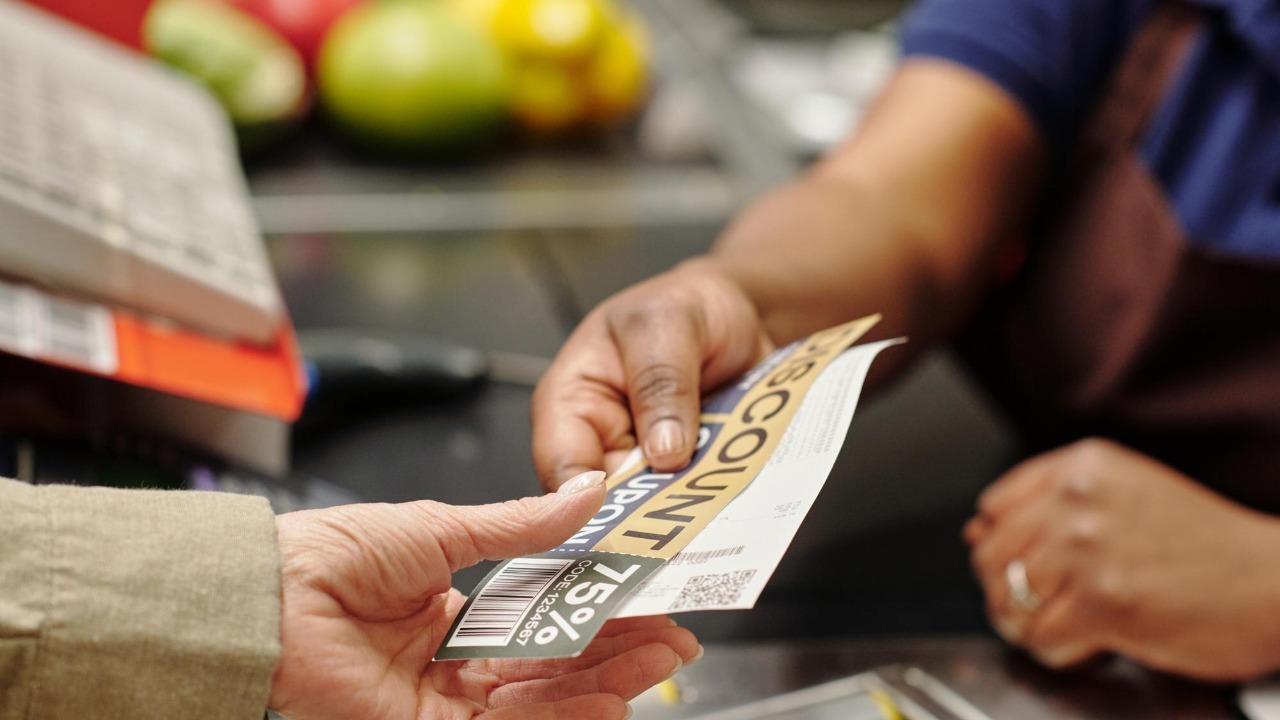
It’s amazing how much you can save with a little bit of time and effort dedicated to coupon clipping. Whether it’s the Sunday paper or digital apps like Honey and Rakuten, there are countless ways to find discounts on everyday purchases. I’ve found that a strategic approach to couponing, like planning meals around weekly store specials, can drastically reduce grocery bills.
While some may view it as old-fashioned, coupon clipping remains a cornerstone of frugality. It’s not just about saving money; it’s about cultivating a savvy shopping mindset. I often find myself hunting for deals on household essentials, allowing me to reallocate those savings to other priorities.
DIY Home Repairs

I’ve tackled everything from fixing leaky faucets to repainting walls, thanks to the DIY spirit instilled in me by watching my parents. Learning basic home repair skills can save you hundreds, if not thousands, in labor costs. Online resources, such as YouTube tutorials, provide step-by-step guidance for virtually any project you can imagine.
Not only does it save money, but doing it yourself also offers a sense of accomplishment and independence. With a bit of patience and the right tools, many home repairs are manageable, and you might even find it an enjoyable hobby.
Bulk Buying

Buying in bulk has been a staple in my household for as long as I can remember. Whether it’s non-perishable goods or household items, purchasing in larger quantities often means lower prices per unit. Memberships to wholesale clubs like Costco or Sam’s Club can offer significant savings over time.
However, it’s crucial to be strategic about what you buy in bulk. I’ve learned to focus on items with long shelf lives or those that we use frequently, ensuring we maximize our savings without wasting products.
Gardening for Produce
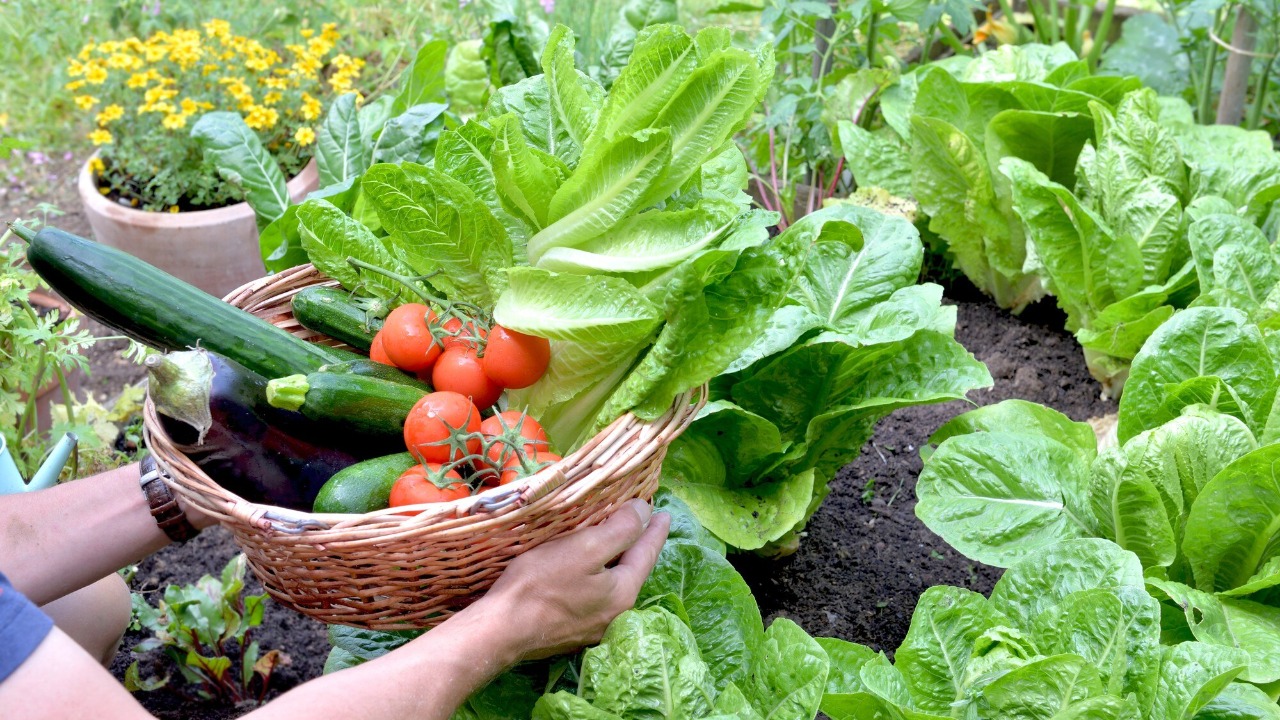
There’s something incredibly rewarding about growing your own food. My small vegetable garden not only provides fresh produce but also cuts down on grocery bills. From tomatoes to herbs, the possibilities are endless with a little space and effort.
This habit encourages healthy eating and reduces reliance on store-bought goods. Whether you have a sprawling backyard or just a few pots on a balcony, gardening can be a fruitful endeavor, both financially and nutritionally.
Home-Cooked Meals

Cooking at home is one of the simplest ways to save money. By avoiding the high cost of dining out, I’ve been able to allocate more of my budget to other priorities. Plus, home-cooked meals often mean healthier eating, as you control the ingredients and portion sizes.
Meal planning and batch cooking are strategies I’ve adopted to save time and reduce food waste. Incorporating leftovers into new meals helps to stretch our food supply even further.
Thrift Shopping

Thrift shopping is not just a way to find unique items; it’s a smart financial choice. From clothing to furniture, second-hand stores offer quality goods at a fraction of the retail price. By choosing thrift, I often find myself with more room in my budget for savings or other indulgences.
Beyond just saving money, supporting thrift stores also benefits the environment by reducing waste. It’s a win-win situation that Boomers have long embraced, and for good reason.
Energy Conservation
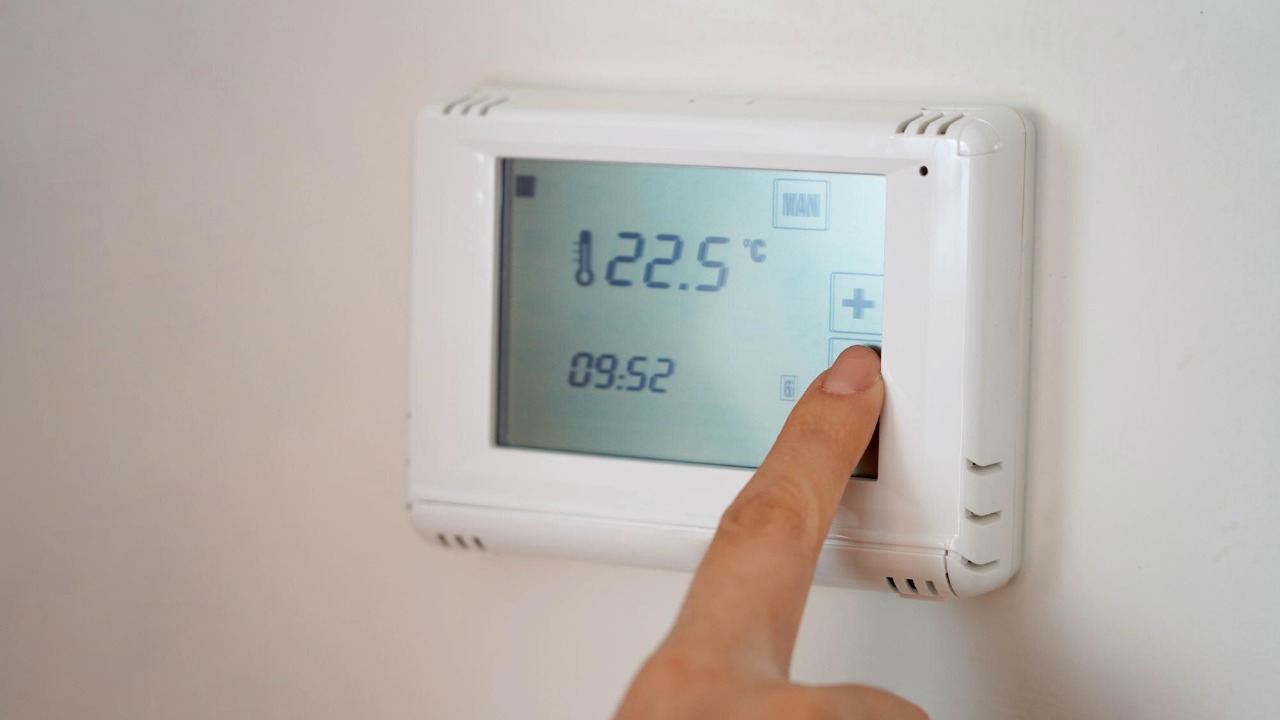
I’ve made a conscious effort to adopt energy-saving habits, from turning off lights when leaving a room to using energy-efficient appliances. These practices not only lower utility bills but also reduce our environmental footprint.
Simple changes, like adjusting the thermostat and using LED bulbs, can add up to substantial savings over time. It’s a mindful approach that Boomers have long advocated, recognizing the long-term benefits to both the wallet and the planet.
Budgeting and Saving

Budgeting is a cornerstone of financial well-being that I practice diligently. Creating and sticking to a budget allows me to track spending, prioritize expenses, and build a savings cushion for future needs or emergencies.
Tools like Mint and YNAB (You Need A Budget) make it easier than ever to manage finances. By setting clear financial goals, I find myself more in control of my money and better prepared for whatever life throws my way.
Reusing and Recycling
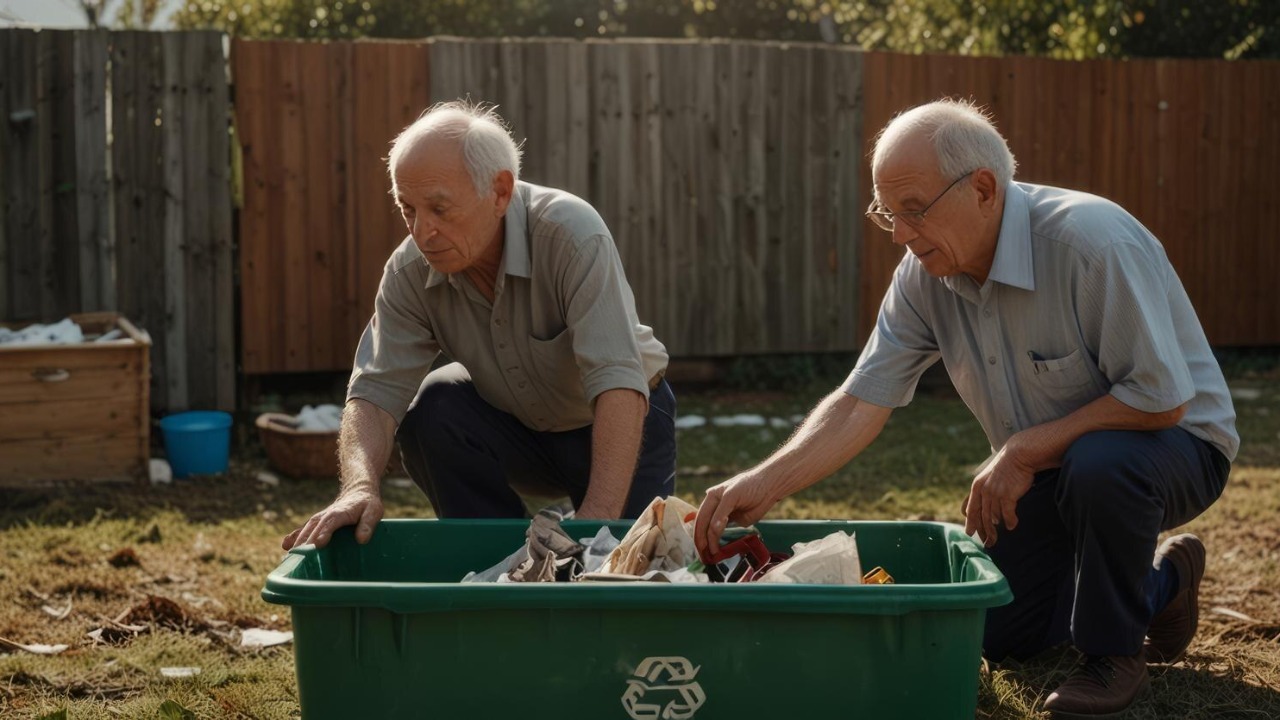
Reusing and recycling are practices deeply ingrained in my lifestyle. From repurposing jars for storage to donating old clothes, these habits minimize waste and encourage sustainability. They also save money by extending the life of items that might otherwise be discarded.
I’ve discovered that many everyday items can have second lives, and it’s a mindset that Boomers have championed for years. By being resourceful and creative, I’ve found countless ways to make more with less.
Explore more frugal habits from different cultures that actually save money, or get inspired by this video on money-saving tips. If you’re curious about generational financial habits, take a look at these fun facts about Millennials and see how spending habits have evolved.

Cole Whitaker focuses on the fundamentals of money management, helping readers make smarter decisions around income, spending, saving, and long-term financial stability. His writing emphasizes clarity, discipline, and practical systems that work in real life. At The Daily Overview, Cole breaks down personal finance topics into straightforward guidance readers can apply immediately.

