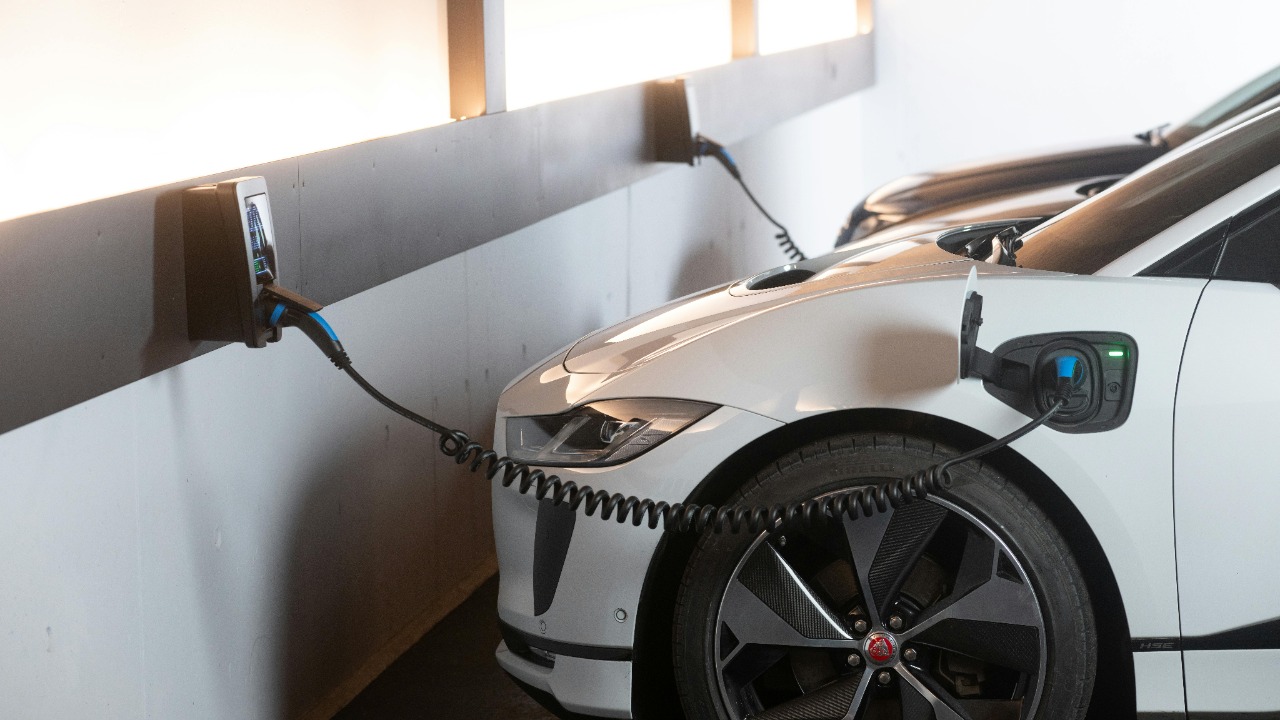
The electric vehicle gold rush that defined the last half-decade of automotive strategy is now extracting a steep price. Global automakers collectively face roughly $65 billion in financial damage from write-downs, project cancellations, and forced strategy reversals tied to cooling EV demand and shifting government policy. What looked like an irreversible industry transition has instead become a costly lesson in mistiming, and the fallout is still being tallied.
A $65 Billion Reckoning Hits the Industry
The scale of the correction is staggering. Across the world’s largest car companies, the retreat from aggressive EV commitments has produced approximately $65 billion in combined charges, spanning asset impairments, scrapped factory investments, and renegotiated supplier contracts. These are not paper losses buried in footnotes. They represent real capital that was deployed based on demand projections that never materialized at the expected pace.
The charges reflect a pattern that repeated across multiple continents and corporate boardrooms. Automakers raced to announce all-electric futures, committed billions to battery plants and dedicated EV platforms, and then watched as consumer adoption slowed. Softer-than-expected demand collided with policy uncertainty, particularly in the United States, where the regulatory environment around emissions standards and purchase incentives shifted. The result is a wave of financial pain that touches nearly every major manufacturer with significant EV exposure, forcing some to revisit the way they model demand, cost of capital, and policy risk.
Ford’s Model e Division Bleeds Cash
Few companies illustrate the cost of the EV pivot more clearly than Ford Motor Company. The automaker’s dedicated EV unit, Model e, has recorded multi-billion-dollar EBIT losses as weakening pricing and wholesale dynamics eroded whatever scale advantages the company hoped to build. Ford’s annual filing for fiscal year 2024 lays out the financial reality in stark terms: the EV bets were, at least in the near term, value-destructive. Vehicles that were supposed to anchor the company’s future instead drained earnings while Ford’s traditional truck and commercial businesses carried the weight.
Beyond the operating losses, Ford has disclosed EV-related impairments and program cancellations in its recent SEC filings, signaling that the company is actively trimming its electric ambitions. This is not a full retreat from electrification, but it is a clear acknowledgment that the original timeline and investment thesis were too aggressive. For ordinary investors and Ford employees alike, the practical effect is straightforward: billions of dollars spent on products and factories that may never generate the returns they were designed to produce, and a more cautious approach to future capital allocation.
GM Takes a $6 Billion Hit
General Motors absorbed its own significant blow. The company disclosed $6 billion in total charges, split between $1.8 billion in non-cash impairments and $4.2 billion in supplier settlements and contract-cancellation fees. Those supplier costs deserve particular attention. When an automaker cancels or scales back an EV program, the parts makers and battery suppliers who tooled up to meet those orders do not simply absorb the loss. They negotiate exit payments, and those payments can rival the cost of the original investment.
GM’s charges are directly linked to the end of EV purchase incentives, relaxed federal emissions standards, and a broader decline in consumer demand for battery-electric vehicles. The company’s own regulatory disclosures detail the production strategy updates that accompanied these write-downs. In plain terms, GM bet heavily that government policy would keep pushing consumers toward EVs, and when that push weakened, the financial architecture supporting the bet started to crack. The $4.2 billion in supplier settlements alone tells a story of contracts signed during peak optimism that became liabilities once the market cooled, leaving GM to rebalance toward more flexible product plans.
Why the Hype Outran the Market
The most revealing aspect of this correction is not the dollar figures themselves but the assumptions that produced them. The industry’s collective EV strategy was built on a set of interlocking beliefs: that battery costs would fall fast enough to reach price parity with combustion engines, that charging infrastructure would expand quickly enough to ease range anxiety, and that government mandates would effectively force adoption regardless of consumer preference. Each of those assumptions proved partially true but insufficiently true to justify the pace and scale of investment, especially once inflation, higher interest rates, and consumer sensitivity to monthly payments entered the picture.
Broader macroeconomic shifts made those miscalculations more painful. Central banks’ efforts to tame inflation, tracked closely by tools such as the monetary policy radar, pushed borrowing costs higher just as automakers were trying to finance multi-year EV buildouts, and as consumers were weighing expensive new models. The result was a double squeeze: capital-intensive projects became harder to justify, and potential buyers became more cautious. The $65 billion in charges, highlighted in subscription reporting on the sector, dwarfs previous technology missteps and lands at a moment when Chinese manufacturers, with lower cost bases and strong domestic support, are still pressing their advantage in global EV markets.
Hybrids Fill the Gap as Strategy Shifts
The practical consequence of this retreat is already visible in product planning. Both Ford and GM have signaled increased investment in hybrid powertrains, which offer electrification benefits without requiring the same infrastructure buildout or consumer behavior change that pure EVs demand. Hybrids serve as a bridge technology, and for consumers who want better fuel economy but are not ready to commit to a fully electric vehicle, they represent a lower-risk purchase. For automakers, hybrids are also far more likely to be profitable per unit than the money-losing EVs that have dominated recent headlines, giving management a way to meet emissions goals while stabilizing margins.
This shift carries its own risks. Companies that slow their EV rollout too aggressively could find themselves behind if policy tightens again or if battery technology takes a sudden leap forward. Yet the move toward hybrids reflects a broader recalibration: executives are now trying to balance regulatory compliance, consumer demand, and shareholder expectations rather than chasing headline-grabbing all-electric deadlines. In parallel, many are looking to external expertise (from business schools tracked in global education rankings to corporate innovation partners listed among leading incubator programmes) to refine their transition strategies and avoid repeating the same capital allocation mistakes.
More From The Daily Overview
*This article was researched with the help of AI, with human editors creating the final content.

Grant Mercer covers market dynamics, business trends, and the economic forces driving growth across industries. His analysis connects macro movements with real-world implications for investors, entrepreneurs, and professionals. Through his work at The Daily Overview, Grant helps readers understand how markets function and where opportunities may emerge.

