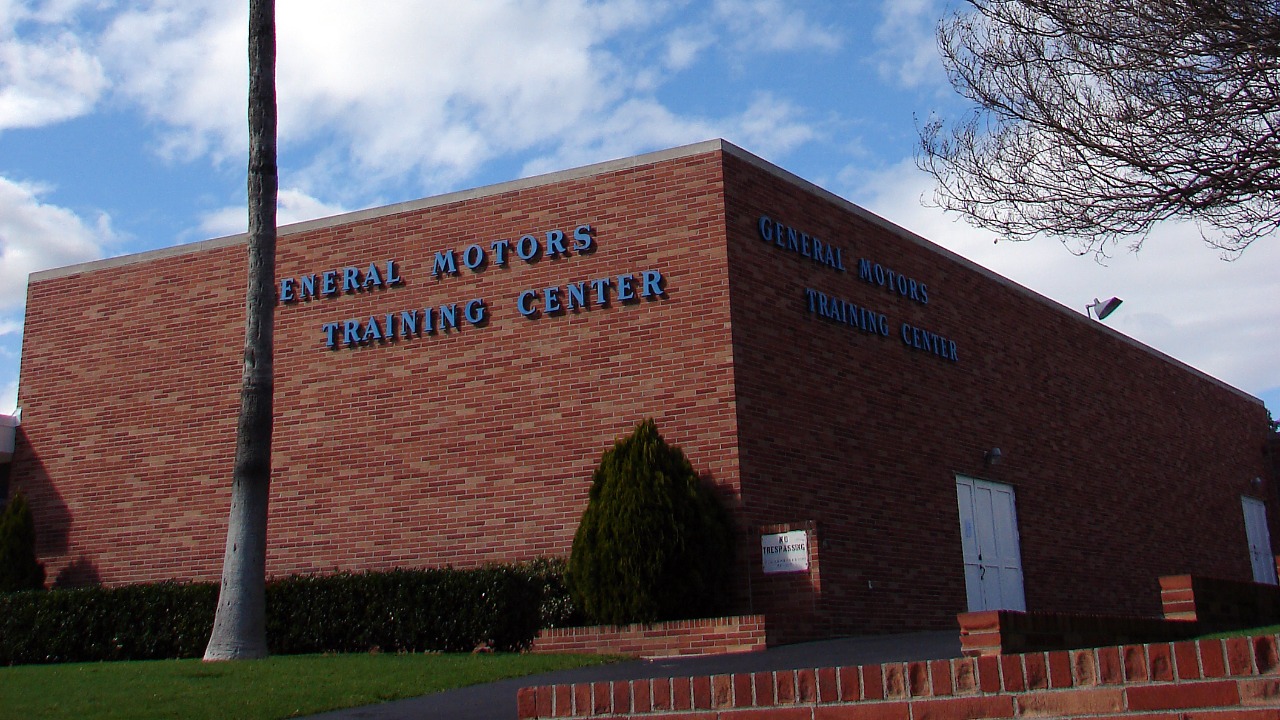
General Motors is preparing to idle two more factories in Ohio and Michigan, a move that will erase roughly 1,700 union jobs and deepen anxiety in communities that have already lived through multiple rounds of auto layoffs. The cuts underscore how quickly the economics of building gasoline vehicles are shifting as GM pours billions into electric models and software services while trying to keep Wall Street satisfied with leaner payrolls.
I see the closures as a clear signal that the company’s transition strategy is colliding with the realities of aging plants, softening demand for some models, and the lingering costs of its latest labor deal. The result is a painful reset for workers who were told that new investments and federal incentives would secure their future on the factory floor.
Where the 1,700 job cuts are hitting hardest
The latest restructuring centers on two assembly plants, one in Ohio and one in Michigan, that GM has decided to wind down, eliminating about 1,700 positions tied directly to vehicle production and related support roles. In both cases, the facilities have been running below capacity, with management concluding that the current mix of sedans, crossovers, and internal combustion models no longer justifies keeping full shifts on the schedule. The company has framed the decision as part of a broader effort to align manufacturing with demand and free up capital for higher margin programs, a rationale that matches earlier statements about consolidating output at more modern sites backed by recent capacity investments.
For workers, the numbers translate into a sharp contraction in local payrolls that had only recently stabilized after previous rounds of restructuring. The Ohio facility, which once symbolized GM’s long-term commitment to the region, will see hundreds of hourly and salaried employees placed on layoff or offered transfers, while the Michigan plant faces a similar scale of reductions that ripple into parts suppliers and logistics firms. Company officials have pointed to existing provisions in the latest UAW contract, including income security programs and transfer rights, as partial cushions for affected employees, but the core reality is that 1,700 jobs tied to these two plants are being removed from GM’s active manufacturing footprint, consistent with earlier job cut disclosures.
GM’s shifting production strategy in the Midwest
GM’s decision to close these plants fits a pattern of concentrating production in fewer, more flexible factories that can pivot between gasoline and electric platforms. Over the past several years, the company has invested heavily in new Ultium-based EV facilities and battery joint ventures while quietly trimming capacity at legacy sites that build lower margin vehicles. The Ohio and Michigan closures extend that logic, allowing GM to move some volume to plants that have already received tooling for newer architectures and that benefit from recent EV-focused upgrades.
At the same time, the company is trying to avoid a repeat of the political backlash that followed earlier shutdowns in the industrial Midwest. GM has emphasized that other plants in Ohio and Michigan are still slated for new products, including electric pickups and crossovers, and that some displaced workers will be offered positions at those locations as openings arise. That approach mirrors prior commitments to maintain a significant manufacturing presence in the region even as specific facilities are retired, a balance that has been documented in recent footprint analyses of the automaker’s North American network.
Union fallout and the UAW’s leverage after its last contract
The closures land in the shadow of the United Auto Workers’ most recent contract with GM, which delivered sizable wage gains, cost-of-living adjustments, and improved job security language after a high-profile strike. Those wins raised GM’s labor costs, and executives have been candid that they must offset part of that increase through efficiency moves, including plant consolidations. The decision to idle two more factories, affecting 1,700 union members, will test how far the new protections can stretch in practice, especially for workers with shorter seniority who are more vulnerable under the contract’s seniority rules.
From the union’s perspective, the timing is fraught. The UAW has argued that federal incentives for EVs and domestic manufacturing should translate into stable, long-term jobs in places like Ohio and Michigan, not a new wave of closures. Union leaders are likely to press GM to maximize transfers, retraining, and voluntary separation packages, leaning on language they secured in the last round of bargaining that was designed to blunt the impact of plant-level decisions. Early reactions from local union officials, as reflected in recent local statements, suggest they see the closures as a breach of the spirit, if not the letter, of the job security commitments that helped sell the contract to members.
Electric vehicles, profit pressure, and the fate of legacy plants
Behind the headlines, the closures highlight a structural tension in GM’s business model as it tries to fund an expensive transition to electric vehicles while still relying on gasoline trucks and SUVs for most of its profits. The company has scaled back some of its most aggressive EV volume targets, citing slower-than-expected adoption and supply chain challenges, yet it continues to pour capital into battery plants and software platforms that will not fully pay off for several years. To keep margins attractive in the meantime, GM has been pruning underutilized facilities and shifting production to plants that can support both combustion and electric models, a strategy that aligns with recent strategy briefings to investors.
The Ohio and Michigan plants caught in this round of cuts are emblematic of the risk facing legacy factories that lack a clear path to EV production. Without major retooling, they are tethered to vehicle segments that may see stagnant or declining demand as consumers gravitate toward newer designs and as regulatory pressure tightens on emissions. GM has signaled that future product allocations will favor sites that can host Ultium-based vehicles or other electrified platforms, a pattern already visible in the way it has assigned upcoming models to plants that recently received retooling commitments. In that context, the 1,700 job cuts are not just a response to current market conditions but a preview of how the company may continue to reshape its manufacturing map as the EV transition grinds on.
Community impact and the uncertain path forward for workers
For the towns that grew up around these factories, the closures are more than a corporate restructuring; they are a direct hit to local tax bases, small businesses, and school districts that depend on auto wages. Each of the 1,700 jobs supports additional employment in restaurants, retail, and services, a multiplier effect that regional economists have quantified in prior studies of auto plant shutdowns. Local officials are already bracing for lower income and property tax collections and are looking to state and federal programs that have previously been tapped to support communities affected by large-scale auto plant closures.
For individual workers, the options will vary sharply depending on seniority, skills, and family circumstances. Some will be able to transfer to other GM facilities in Ohio, Michigan, or neighboring states, though that often means uprooting households or enduring long commutes. Others may pursue retraining programs tied to EV manufacturing, battery production, or entirely different industries, drawing on workforce development funds that have been expanded in response to earlier industrial layoffs. The company has indicated that it will work with state agencies and community colleges to connect displaced employees with these resources, a model that has been used in previous retraining initiatives linked to auto sector downsizing.
More From TheDailyOverview
- Dave Ramsey says these two simple questions show whether you’re rich or poor
- Retired But Want To Work? Try These 18 Jobs for Seniors That Pay Weekly
- IRS raises capital gains thresholds for 2026 and what’s new
- 12 ways to make $5,000 fast that actually work

Grant Mercer covers market dynamics, business trends, and the economic forces driving growth across industries. His analysis connects macro movements with real-world implications for investors, entrepreneurs, and professionals. Through his work at The Daily Overview, Grant helps readers understand how markets function and where opportunities may emerge.

