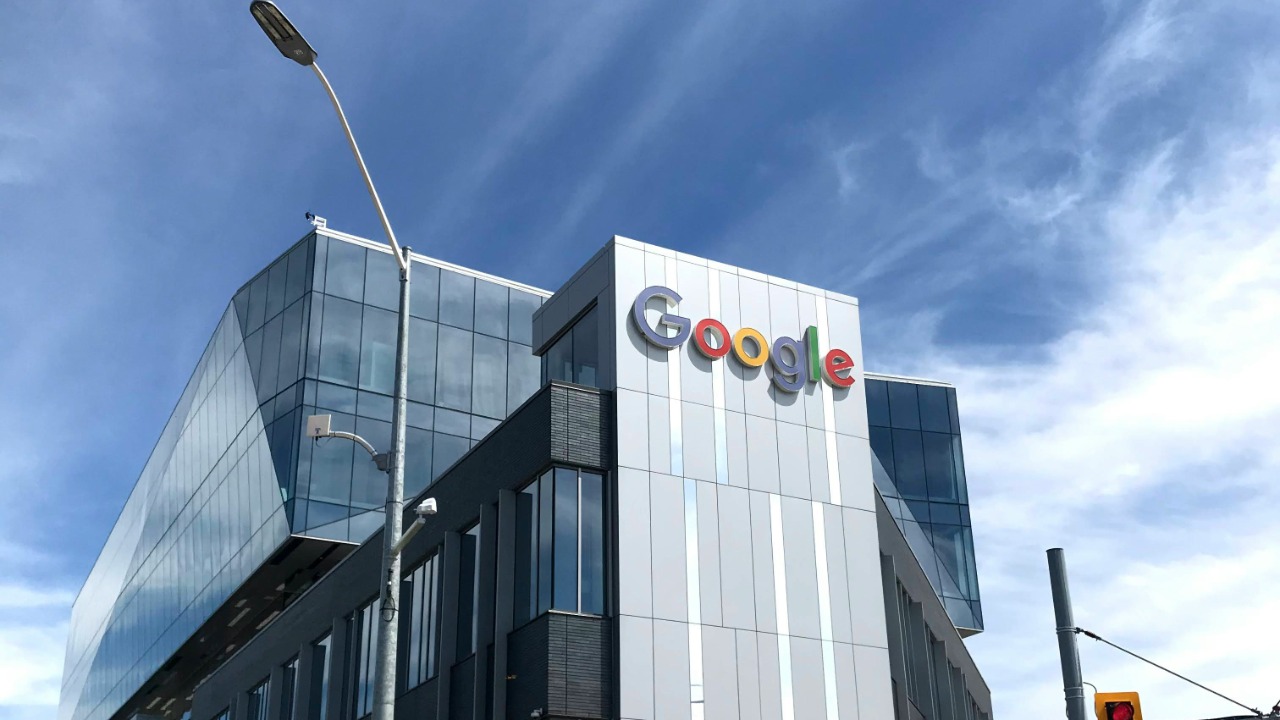
Google has achieved a significant milestone by becoming the fourth company to surpass a $3 trillion market capitalization, a feat driven by the burgeoning excitement surrounding artificial intelligence. This achievement underscores the profound impact of AI on the tech industry and reflects the market’s confidence in Google’s leadership within this domain. The milestone not only highlights Google’s strategic positioning but also its potential to shape the future of technology.
The Role of AI in Google’s Market Surge

The recent surge in Google’s market valuation can be largely attributed to the hype surrounding artificial intelligence. As AI technologies continue to evolve, they present new opportunities for companies to innovate and expand their market reach. Google’s investment in AI has been a key factor in its valuation increase, as the company has been at the forefront of developing and integrating AI technologies across its platforms. This strategic focus on AI has allowed Google to enhance its product offerings, improve user experiences, and drive revenue growth, thereby boosting investor confidence and market valuation.
Specific AI technologies and projects have played pivotal roles in elevating Google’s market cap. For instance, Google’s advancements in machine learning and natural language processing have significantly improved the capabilities of its search engine and other services. Additionally, projects like Google Assistant and AI-driven cloud services have demonstrated the company’s commitment to leveraging AI to create value for users and businesses alike. These innovations have not only strengthened Google’s competitive position but also contributed to its impressive market performance, as highlighted in the Gizmodo report.
Moreover, Google’s strategic acquisitions have bolstered its AI capabilities, further enhancing its market position. The acquisition of companies like DeepMind and Kaggle has allowed Google to integrate advanced AI research and data science expertise into its operations. These acquisitions have not only expanded Google’s talent pool but also accelerated the development of innovative AI solutions. The integration of DeepMind’s cutting-edge research has been particularly impactful, leading to breakthroughs in areas such as healthcare AI and energy efficiency, which have broad implications for both Google’s business and societal contributions.
Comparing Industry Giants: The $3 Trillion Club

Google joins an exclusive club of companies that have reached the $3 trillion market cap milestone. The other three companies in this elite group include Apple, Microsoft, and Amazon. Each of these industry giants has leveraged its unique strengths and strategies to achieve such high valuations. Common factors among these companies include a strong focus on innovation, strategic investments in emerging technologies, and the ability to adapt to changing market dynamics. These shared characteristics have enabled them to maintain their leadership positions and continue growing their market caps.
Analyzing the strategies of these companies reveals several commonalities that have contributed to their success. For instance, all four companies have made significant investments in research and development, allowing them to stay ahead of technological trends and deliver cutting-edge products and services. Additionally, their ability to diversify revenue streams and expand into new markets has been crucial in sustaining growth. By understanding these strategies, other companies can glean insights into how to navigate the competitive landscape and achieve similar success.
In addition to their technological prowess, these companies have also demonstrated resilience in navigating economic fluctuations and geopolitical challenges. For instance, Apple’s ability to manage supply chain disruptions and Microsoft’s strategic partnerships in cloud computing have been pivotal in maintaining their market leadership. Similarly, Amazon’s diversification into sectors like entertainment and logistics has mitigated risks associated with its core e-commerce business. These adaptive strategies highlight the importance of agility and foresight in sustaining high market valuations, providing a blueprint for other companies aiming to join this exclusive club.
Market Reactions and Investor Sentiments

The market’s reaction to Google’s achievement of the $3 trillion market cap has been largely positive, with investors and analysts expressing confidence in the company’s future prospects. This milestone is seen as a testament to Google’s strategic vision and its ability to capitalize on emerging technologies. Investors are particularly optimistic about Google’s continued focus on AI, which is expected to drive further growth and innovation. The company’s strong financial performance and robust pipeline of AI projects have reinforced investor confidence, as noted in the Gizmodo article.
However, there are potential risks and challenges that could affect Google’s market valuation in the future. These include regulatory scrutiny, competitive pressures, and the need to continuously innovate to maintain its leadership position. As the tech industry evolves, Google must navigate these challenges while staying true to its strategic vision. By addressing these potential risks proactively, Google can continue to build on its success and sustain its market momentum.
Investor sentiment is also shaped by Google’s transparent communication and strategic clarity, which have been instrumental in maintaining trust and enthusiasm among stakeholders. The company’s quarterly earnings calls and investor briefings provide insights into its long-term vision and operational priorities, reinforcing confidence in its growth trajectory. Furthermore, Google’s commitment to sustainability and ethical AI practices resonates with socially conscious investors, adding an additional layer of appeal to its stock. This alignment with broader societal values not only enhances Google’s brand reputation but also attracts a diverse investor base committed to sustainable growth.
Future Implications for Google’s Growth

Looking ahead, Google’s AI initiatives are expected to play a crucial role in shaping its future growth and market strategies. The company’s commitment to AI-driven innovation positions it well to capitalize on emerging opportunities and address evolving market needs. As AI technologies become increasingly integrated into various aspects of business and daily life, Google’s ability to harness these technologies will be key to its continued success.
Speculating on Google’s potential to maintain or exceed the $3 trillion market cap, it is clear that the company is well-positioned to thrive in the current technological landscape. By staying at the forefront of AI advancements and continuing to innovate, Google can sustain its growth trajectory and remain a dominant force in the tech industry. As highlighted in the Gizmodo report, the market’s confidence in Google’s leadership and strategic direction bodes well for its future prospects.

Elias Broderick specializes in residential and commercial real estate, with a focus on market cycles, property fundamentals, and investment strategy. His writing translates complex housing and development trends into clear insights for both new and experienced investors. At The Daily Overview, Elias explores how real estate fits into long-term wealth planning.

