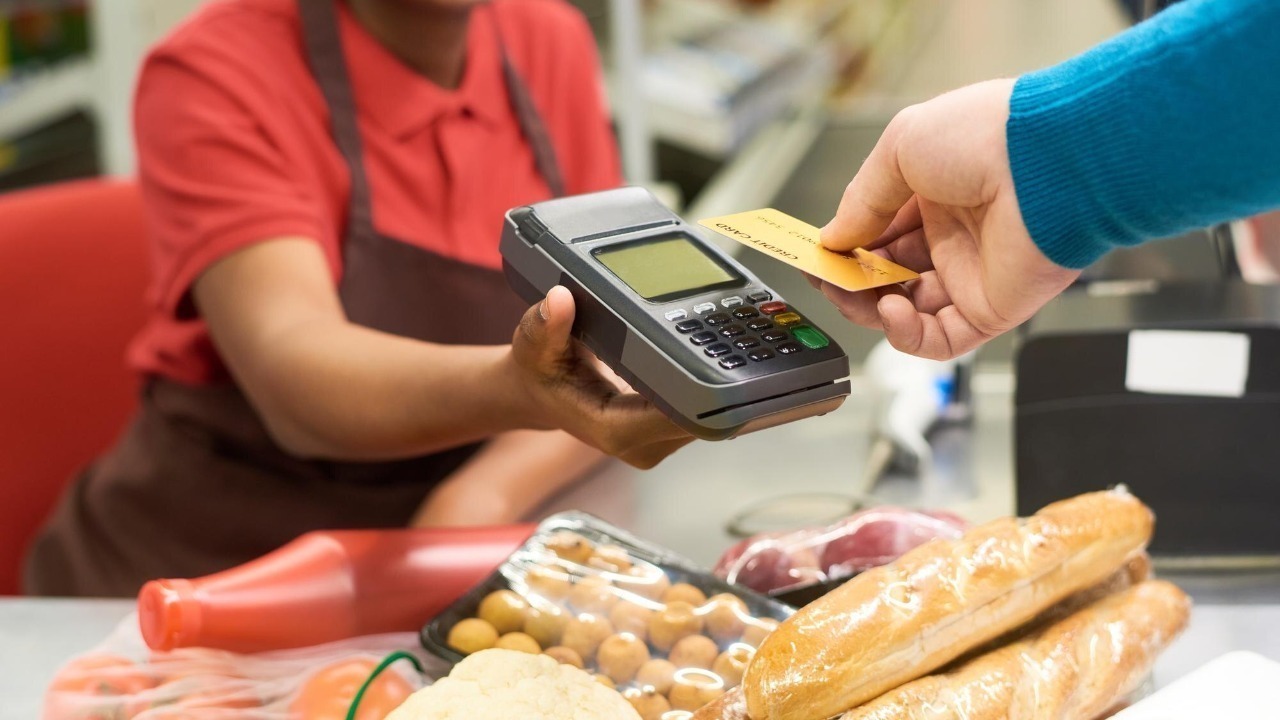
As grocery prices continue to rise, Americans are increasingly altering their shopping habits to cope with the financial strain. This concern is compounded by the ongoing issue of shrinkflation, a practice that has been subtly increasing grocery bills for years. Meanwhile, Quebec is preparing to introduce changes in how grocery prices are displayed, which could further impact consumer behavior and perception.
The Impact of Shrinkflation
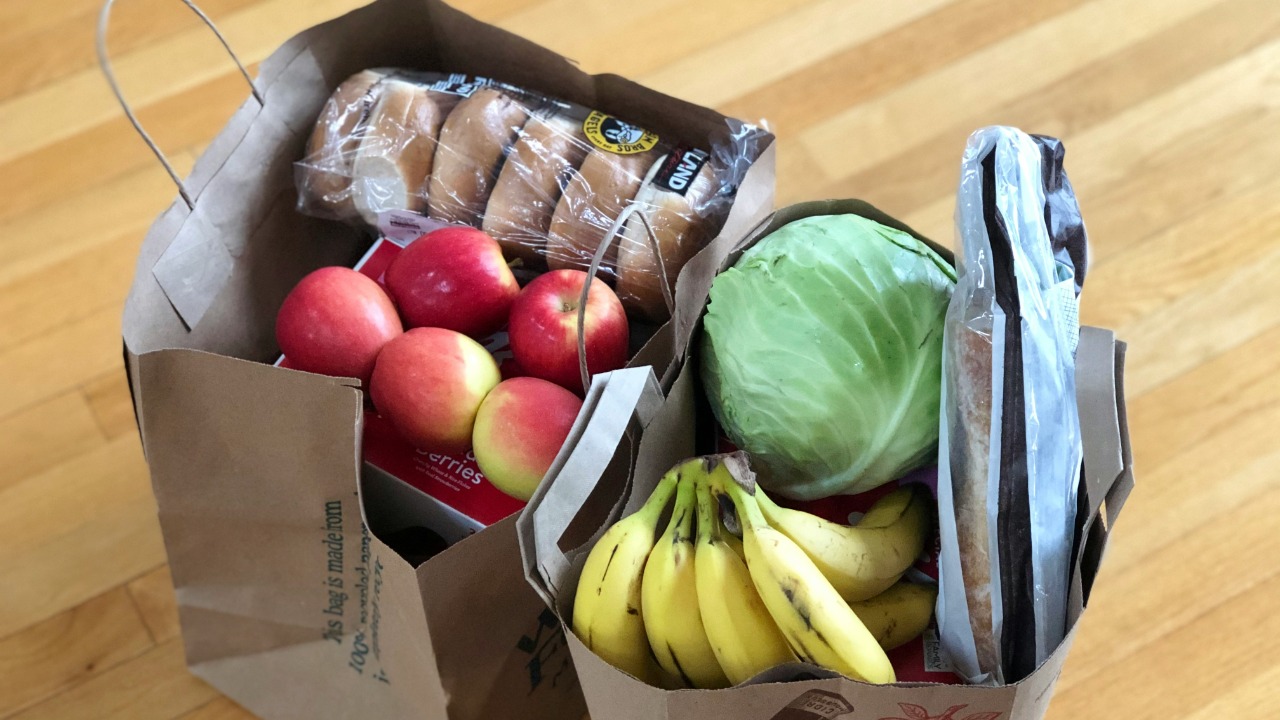
Shrinkflation, the practice of reducing the size of a product while maintaining its price, has become a significant factor in the rising cost of groceries. This tactic allows manufacturers to subtly increase prices without overtly raising them, leaving consumers with less product for the same amount of money. According to Marketplace, this practice has been a persistent issue, contributing to the gradual increase in grocery bills over the years.
Many consumers remain unaware of shrinkflation because the packaging often remains unchanged, making it difficult to notice the reduction in product size. This insidious cost driver can significantly impact household budgets, especially when combined with other rising expenses. The subtlety of shrinkflation means that consumers may not realize they are paying more for less, exacerbating the financial burden on families trying to manage their grocery expenses.
In addition to affecting consumer budgets, shrinkflation can also impact brand loyalty. As consumers become more aware of the practice, they may feel deceived by brands they previously trusted, leading them to switch to competitors who offer more transparent pricing. This shift in consumer behavior can have significant implications for manufacturers, who may need to reconsider their pricing strategies to maintain customer trust and loyalty. Furthermore, shrinkflation can disproportionately affect lower-income households, who may already be struggling to make ends meet. For these families, every ounce or gram of product counts, and the hidden nature of shrinkflation can exacerbate financial difficulties, forcing them to make tough choices about their grocery purchases.
Consumer Reactions and Adjustments
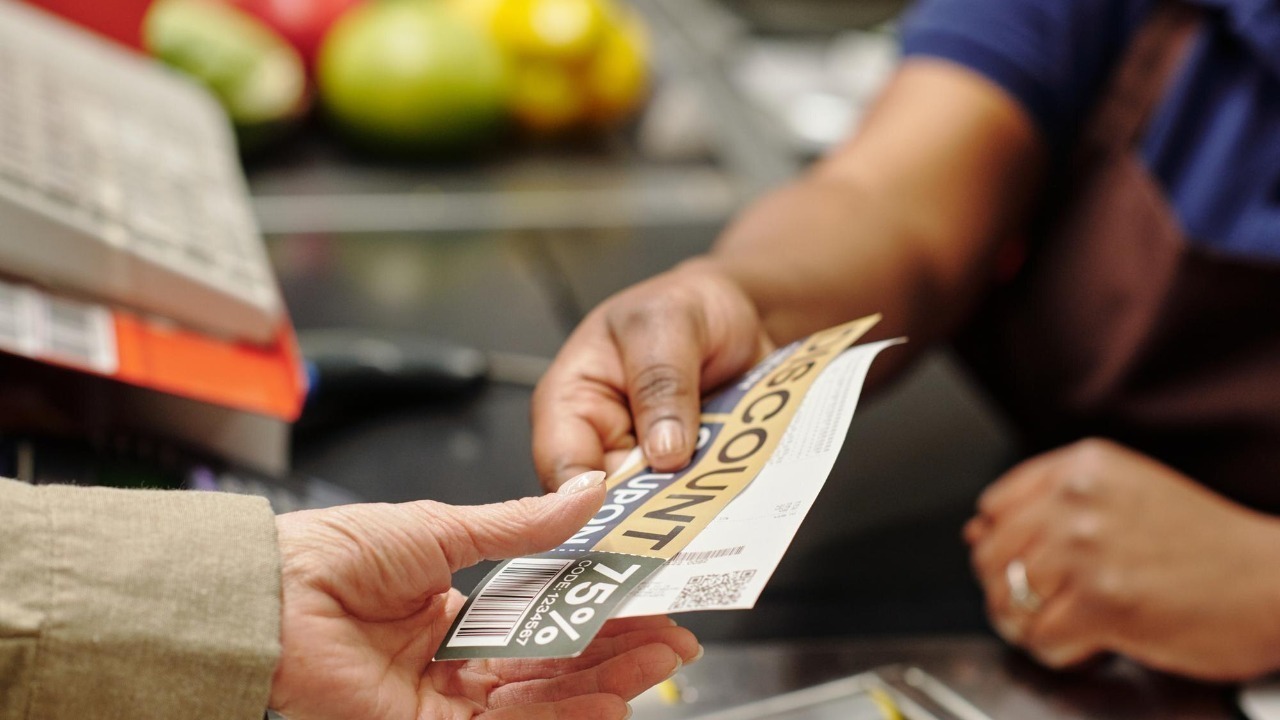
In response to rising grocery prices, many Americans are modifying their shopping habits. According to WTHI-TV, consumers are increasingly worried about the cost of groceries and are taking steps to mitigate the impact on their budgets. These adjustments include seeking out sales, using coupons, and opting for store brands, which can offer similar quality at a lower price point.
Strategies to combat rising costs are becoming more sophisticated as consumers become more aware of the tactics used by manufacturers and retailers. As noted by Money Talks News, shoppers are employing various methods to outsmart shrinkflation and other sneaky fees, such as buying in bulk or switching to alternative products that offer better value. These strategies are essential for families looking to stretch their dollars further in an increasingly expensive market.
Beyond individual strategies, there is a growing trend of community-based solutions to combat rising grocery costs. Community gardens and cooperative buying groups are becoming more popular, allowing people to pool resources and purchase food in bulk at reduced prices. These initiatives not only help reduce costs but also foster a sense of community and shared responsibility. Additionally, some consumers are turning to digital tools and apps that track price changes and offer alerts for deals, helping them stay informed and make smarter purchasing decisions. These technological aids can be particularly useful in navigating the complexities of modern grocery shopping, where prices and product sizes are constantly changing.
Grocery Store Tactics
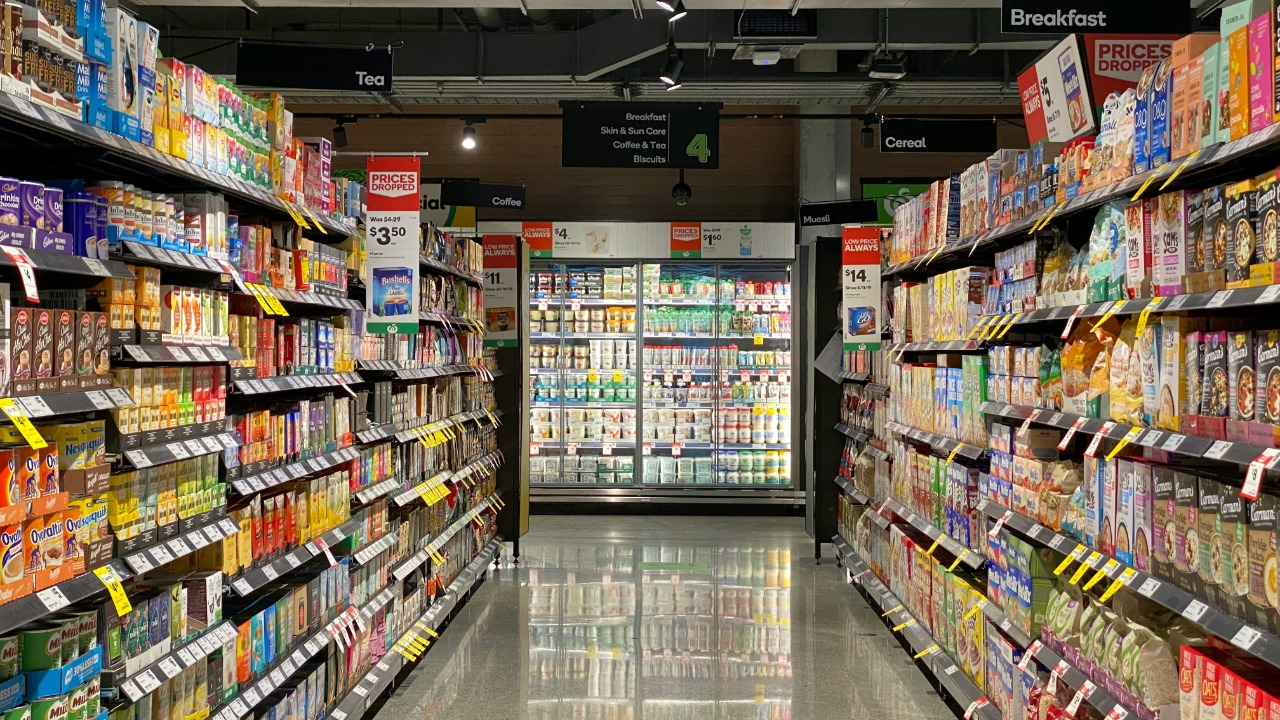
Grocery stores employ a variety of tactics to encourage consumers to purchase more, often exploiting consumer psychology to increase overall spending. According to Eat This, Not That!, stores strategically place products and use promotions to prompt unplanned purchases. These tactics can lead to consumers buying items they did not initially intend to purchase, thereby increasing their total grocery bill.
These strategies are designed to maximize sales by creating an environment that encourages impulse buying. For example, placing essential items at the back of the store forces shoppers to walk past numerous tempting products, increasing the likelihood of additional purchases. Understanding these tactics can help consumers make more informed decisions and resist the urge to buy unnecessary items, ultimately helping them manage their grocery expenses more effectively.
Another tactic used by grocery stores is the strategic placement of high-margin items at eye level, where they are more likely to be noticed and purchased by shoppers. This practice is complemented by the use of end-cap displays, which feature promotional items that draw attention and encourage impulse buys. Stores also frequently rotate the location of products, making it harder for regular shoppers to find what they need quickly, thus increasing the time spent in-store and the likelihood of additional purchases. Understanding these psychological strategies can empower consumers to shop more intentionally, focusing on their lists and avoiding unnecessary expenditures.
Regulatory Changes in Quebec
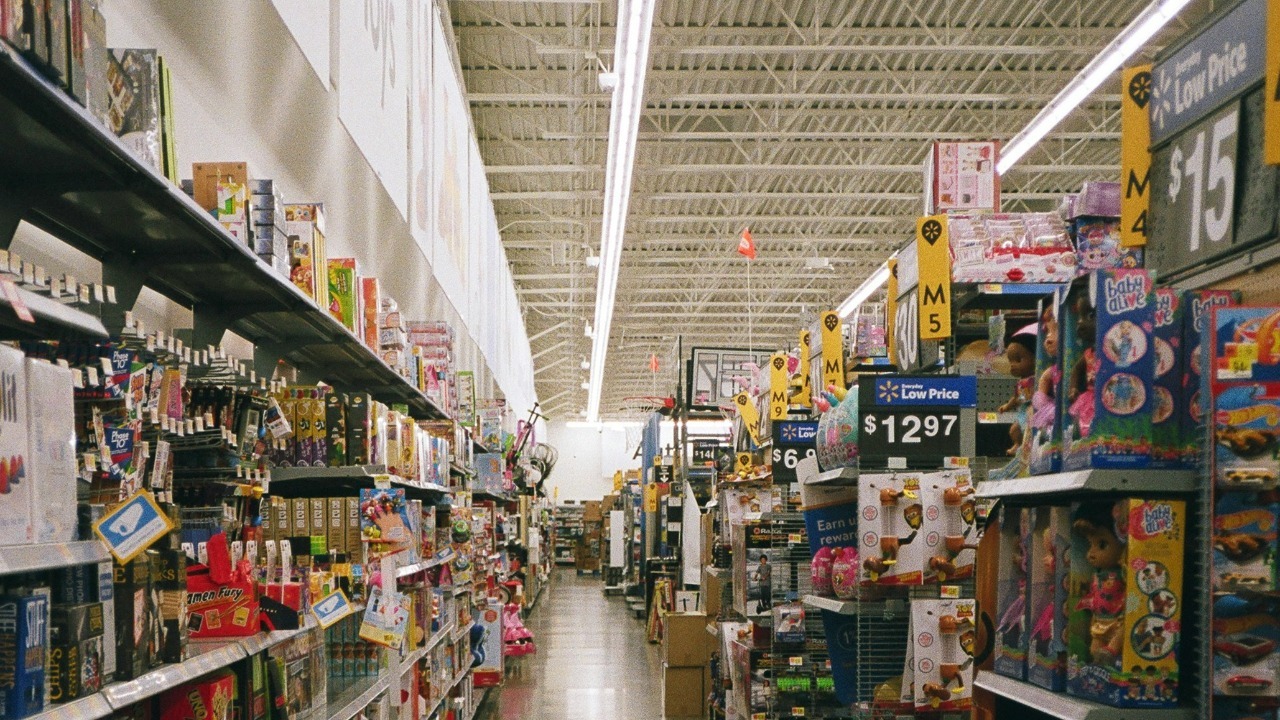
Quebec is set to implement new regulations regarding the display of grocery prices, which may affect consumer awareness and decision-making. As reported by MTL Blog, these changes aim to enhance transparency and could potentially influence how prices are perceived by shoppers. The upcoming regulations are designed to provide clearer pricing information, helping consumers make more informed choices.
The introduction of these changes could serve as a model for other regions looking to improve price transparency in the grocery sector. By making it easier for consumers to understand the true cost of products, these regulations could help mitigate the impact of practices like shrinkflation and encourage more competitive pricing. As consumers become more aware of the actual cost of their groceries, they may be better equipped to make purchasing decisions that align with their budgets and needs.
The new regulations in Quebec are part of a broader effort to address consumer concerns about pricing transparency and fairness. By requiring clearer labeling and standardized price displays, the government aims to reduce confusion and empower consumers to make better-informed decisions. This initiative is also expected to encourage competition among retailers, as clearer pricing could lead to more price comparisons and potentially drive down costs. Additionally, the regulations may include measures to ensure that promotional prices are clearly marked and that any conditions or limitations are prominently displayed, further protecting consumers from misleading marketing practices.

Cole Whitaker focuses on the fundamentals of money management, helping readers make smarter decisions around income, spending, saving, and long-term financial stability. His writing emphasizes clarity, discipline, and practical systems that work in real life. At The Daily Overview, Cole breaks down personal finance topics into straightforward guidance readers can apply immediately.

