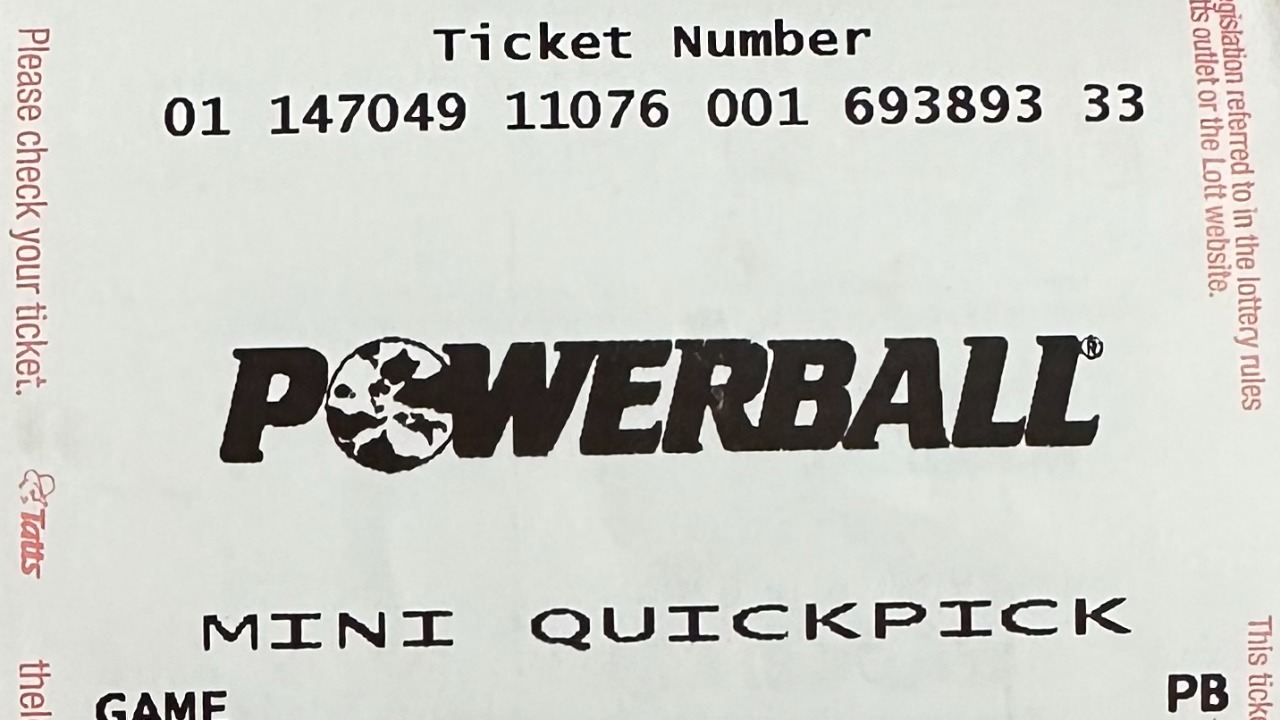
A $775 million Powerball jackpot sounds like a ticket out of real life and into a private-jet fantasy, but the tax code has a way of shrinking even the biggest dreams. Once the IRS and state revenue departments take their cut, the winner’s haul looks far more like a very large business sale than a billionaires’ club membership. To understand what is really at stake, I break down how much of that $775 million survives the tax gauntlet and what kind of lifestyle it can actually support.
The headline number on the billboard is only the starting point. The real decision is between a smaller, immediate cash payout and a larger stream of payments over three decades, each taxed as ordinary income. How that choice interacts with federal and state rules determines whether the winner ends up closer to a tech founder’s exit package or a multigenerational dynasty.
First, translate $775M into the real cash option
When the Powerball jackpot advertises $775 million, that figure reflects the total of 30 future payments, not a lump of money sitting in a vault. The actual one-time payout is much lower because it represents the current cash value of those future installments. According to the official game details, the current $775 million prize comes with a cash option of $362.5 million, which means the winner trades away long-term payments for an immediate $362.5 million wire into their account if they choose the lump sum. That gap between $775 million and $362.5 million is the first haircut, and it happens before a single dollar of tax is withheld, as the structure of the game itself converts the headline jackpot into a present-value cash option.
The same pattern shows up across other big drawings. A recent Mega Millions rundown explained that jackpots are always quoted as annuities, while the cash option is a separate, smaller figure that reflects what the lottery can afford to pay today after investing the prize pool in bonds. In that context, the current $775 million Powerball jackpot and its $362.5 million cash option fit the standard template, where the annuity stretches payments over decades for all the money while the lump sum compresses the value into a single taxable year.
Then, layer on federal taxes and top brackets
Once the winner picks the cash option, the IRS effectively becomes a silent partner. Federal law treats lottery jackpots as ordinary income, not capital gains, so the entire $362.5 million is stacked on top of whatever else the winner earns that year. That instantly pushes them into the top federal income tax bracket, which currently reaches at least 37 percent for high earners. Tax guidance on large jackpots notes that if you take a lump sum payout of a sizable lottery prize, you will likely be pushed into that top tier and must pay federal income tax at a rate of at least 37 percent on much of the winnings, which means the government’s share can easily exceed a third of the advertised cash option.
On a $362.5 million payout, a simple 37 percent calculation suggests a federal bill of roughly $134 million, leaving about $228 million before any state taxes or other adjustments. In practice, the IRS withholds a portion of the prize up front, then settles the final amount when the winner files a return. Detailed breakdowns of previous jackpots show how this plays out: when the Powerball top prize surged to nearly $1.8 billion earlier this year, analysts estimated that a lump sum winner would see hundreds of millions shaved off by federal tax alone. That same logic applies here, and the basic rule is clear in the official tax guidance: if you win a large lottery prize and take the lump sum, you must pay federal income tax and should expect to owe at least 37 percent in taxes on a large portion of the winnings.
State taxes, annuity math and the long game
Federal tax is only part of the story. Most states treat lottery winnings as taxable income, and some cities add their own levies, which can carve another significant slice out of the prize. The rules vary widely: a winner in a no-income-tax state keeps more than someone in a high-tax jurisdiction, and a few states do not tax lottery prizes at all. Official lottery explanations emphasize that the major games in the United States offer two jackpot payout options, annuity and cash, and that state and local taxes can apply to either choice, which means the winner’s home address can change the final after-tax number by tens of millions of dollars.
The annuity option complicates the math further. Instead of one $362.5 million payment, the winner receives 30 graduated payments over 29 years, each taxed as it arrives. Tax experts often model this by assuming a steady inflation rate and discounting future payments to today’s dollars. One widely cited example notes that, assuming an average inflation rate of 2 percent per year, the real value of the final payment in 29 years would be much lower than its nominal dollar amount. That is the tradeoff: the annuity headline total of $775 million looks bigger, but inflation and taxes erode each check over time, while the lump sum gives the winner a smaller pot now that can be invested in assets like index funds, real estate or private businesses.
How lottery taxes actually work on a $775M win
To see what a $775 million jackpot looks like after all the slicing, it helps to walk through the mechanics of lottery taxation. The IRS treats the prize as gambling income, which must be reported in full, and the lottery issuer reports the payout to the government. Federal rules require withholding on large winnings, and the final tax bill depends on the winner’s total income and deductions. A detailed explainer on how lottery taxation works notes that the system does not distinguish between a Powerball windfall and other forms of earned income, so the same progressive brackets apply. When the Powerball jackpot reached nearly $1.8 billion in Sep, analysts walked through the same steps that now apply to a $775 million prize: convert the annuity to a cash option, apply federal withholding, then layer in state and local rules.
On top of that, the tax paperwork itself is unavoidable. If your winnings are reported by the lottery, you will receive a Form W-2G that spells out the amount and the tax withheld, and the IRS expects that figure to match what you report on your return. Guidance from a major tax preparer explains that if your winnings are reported, you receive that W-2G and must reconcile it when you file. That process is the same whether the winning ticket was bought for a small scratch-off or a national drawing, and it underscores a simple reality: the IRS sees every dollar of that $775 million jackpot, and the winner cannot sidestep the system by trying to stay anonymous or cashing the ticket quietly.
What a post-tax jackpot lifestyle really looks like
Once the math is done, the winner of a $775 million Powerball jackpot who takes the $362.5 million cash option and pays federal and state taxes is likely left with something in the neighborhood of $200 million to $230 million, depending on where they live. That is still generational wealth. With a conservative 4 percent annual withdrawal rate, a $220 million portfolio could support roughly $8.8 million in yearly spending without touching the principal, enough to fund multiple homes, private school tuition, philanthropy and a small family office. The key is treating the windfall like a business asset rather than a bottomless checking account, because even nine-figure fortunes can be eroded by bad investments, lavish recurring expenses and poor tax planning.
Professional advice becomes essential almost immediately. Tax experts recommend assembling a team that includes a CPA, an estate attorney and a fiduciary financial adviser before claiming the prize, in part because the winner has to decide between the annuity and cash options under tight deadlines. Official lottery materials stress that jackpot winners may choose to receive their prize as an annuity, paid in 30 graduated payments over 29 years, or as a lump sum, and that each choice has different implications for federal, state and even local taxes. One detailed explanation of recent drawings notes that Powerball jackpot winners face withholding for state and/or federal taxes, which means the structure of the payout and the timing of the claim can affect how much ultimately lands in the winner’s investment accounts.
Why the odds and the fine print still matter
Even as the current jackpot climbs, the underlying odds and mechanics of the game have not changed. The six numbers drawn on Monday night in a recent Powerball run were 3, 16, 29, 61, 69 and red Powerball 22, a reminder that every combination is equally unlikely and that the game’s design favors the house. The official Key Facts for that drawing highlighted how a massive advertised prize translated into a specific cash value and how taxes would further reduce the take-home amount. Those same dynamics apply to the current $775 million pool, and the lesson is consistent: the billboard number is a marketing figure, not a spendable balance, and the real outcome is shaped by the tax code as much as by the winning numbers like 61 and 69.
For anyone still tempted to play, it helps to understand the broader context of lottery taxation. Detailed explainers on how taxes apply to gambling income walk through the same steps regardless of jackpot size: report the full amount, apply federal brackets, then adjust for state rules. One widely used guide titled How Taxes on Lottery Winnings Work explains that when the Powerball jackpot reached nearly $1.8 billion in Sep, the same framework applied: convert the annuity headline into a cash figure, then let the IRS and state agencies take their share. The current $775 million prize is simply a smaller version of that story, and the real question for any winner is not just how much they keep after tax, but how wisely they treat what is left once the confetti is swept away.
More From TheDailyOverview
- Tennessee loses $2.6B megafactory and faces major layoffs
- Retired But Want To Work? Try These 18 Jobs for Seniors That Pay Weekly
- What to do with your pennies after the U.S. stops minting them
- Home Depot CEO warns of a troubling customer trend in stores

Julian Harrow specializes in taxation, IRS rules, and compliance strategy. His work helps readers navigate complex tax codes, deadlines, and reporting requirements while identifying opportunities for efficiency and risk reduction. At The Daily Overview, Julian breaks down tax-related topics with precision and clarity, making a traditionally dense subject easier to understand.

