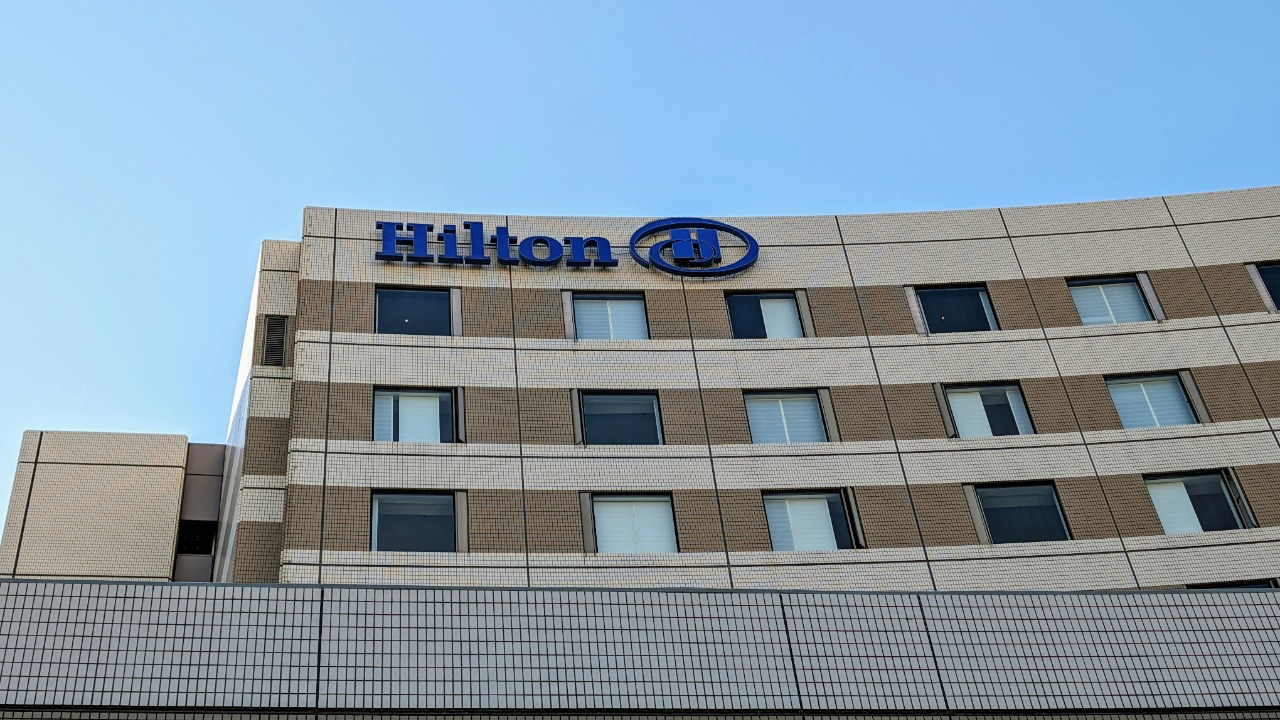
Hilton’s decision to sever ties with a Minnesota hotel owner after federal immigration agents were allegedly turned away has turned a local franchise dispute into a national flashpoint. The clash over canceled bookings for Department of Homeland Security and Immigration and Customs Enforcement personnel now reaches from a single Minneapolis property to corporate headquarters, federal travel systems, and a broader debate over how far political protest can go inside a global brand.
At stake is more than one franchise agreement. The episode is testing how Hilton balances its public promise to be “a welcoming place for all” with the reality that DHS and ICE have become lightning rods in American politics, and it is forcing both government agencies and hotel companies to clarify where they draw the line between conscience and discrimination.
The Minneapolis hotel at the center of the storm
The controversy traces back to a Hilton-branded property in Minneapolis that refused to honor or accept bookings for federal immigration personnel, according to multiple accounts from the government and the company. The hotel, operated by a local franchise owner, allegedly declined reservations tied to DHS and ICE, triggering complaints that staff had effectively denied service to federal law enforcement because of who they were and what they do. The location, listed in public mapping tools as a Hilton-affiliated site in the city, is now better known as the place where a franchisee’s stand against immigration enforcement collided with corporate policy, a clash that can be seen in basic business listings for the Minneapolis hotel on this property.
Hilton has emphasized that the hotel was not owned by the corporation itself but by an independent franchisee operating under its flag. That distinction matters legally and financially, yet for guests and federal travelers the brand on the sign is what counts, which is why the alleged refusal of DHS and ICE bookings quickly became a reputational crisis for Hilton Worldwide. Once the story surfaced, it was no longer just a local dispute between a Minnesota owner and federal agents, but a test of whether the company would tolerate selective service based on a guest’s employer or mission.
How DHS and ICE say their agents were turned away
According to federal officials, the trouble began when DHS and ICE personnel attempted to book rooms at the Minneapolis property and were either blocked from reserving or had existing reservations canceled. The accounts describe a pattern in which staff, once they understood that the guests were working for DHS or ICE, declined to proceed with the bookings, effectively telling federal agents that they could not stay there. For agencies that routinely move teams around the country for enforcement operations, training, and court appearances, the idea that a branded hotel could simply refuse them on that basis was treated as a serious affront.
The Department of Homeland Security publicly criticized the hotel’s conduct, framing it as discrimination against federal law enforcement and warning that such treatment could undermine the ability of agents to do their jobs safely and predictably. Immigration and Customs Enforcement, which already faces intense scrutiny over its tactics and detention practices, seized on the incident as evidence that some businesses are willing to cross a line from political disagreement into targeted exclusion. The uproar over the denied DHS and ICE bookings set the stage for Hilton’s corporate response and for a broader political reaction that would soon reach Congress.
Hilton’s corporate break with the Minnesota franchisee
Hilton’s leadership moved quickly to distance the company from the Minneapolis owner once the allegations became public. The corporation announced that it was removing the Minnesota hotel from its system, effectively stripping the property of its brand, reservation channels, and loyalty program access. In public statements, Hilton framed the move as a necessary step to uphold its standards, saying that refusing to serve DHS and ICE personnel violated the company’s commitment to treat all guests with dignity regardless of their employer or assignment, a stance reflected in coverage that the company was removing a Minnesota hotel after it denied bookings for ICE agents.
Executives also signaled that the decision was meant as a deterrent to other franchisees who might contemplate similar actions. By cutting the hotel out of its system, Hilton Worldwide Holdings sent a message that franchise agreements come with obligations, including a duty not to discriminate against lawful government travelers. The company’s move underscored the tension between local owners who may want to align their businesses with particular political values and a global brand that depends on consistency and neutrality to attract both leisure guests and institutional clients.
Hilton Worldwide Holdings and the charge of “unAmerican” conduct
As the story spread, Hilton Worldwide Holdings faced pressure not only from DHS and ICE but also from political figures who framed the Minneapolis hotel’s actions as fundamentally at odds with American norms. Critics argued that refusing to host federal agents because of their role in enforcing immigration law amounted to punishing individuals for carrying out democratically enacted policy. In response, Hilton highlighted that it had removed the Minneapolis hotel from its portfolio and characterized the franchisee’s behavior as inconsistent with the company’s values, a step described in reports that Hilton Worldwide Holdings removed a Minneapolis hotel after calling the actions discriminatory and unAmerican.
The language of “unAmerican” conduct is striking, especially coming from a corporation that typically avoids overt political judgments. By adopting that framing, Hilton aligned itself with the view that denying service to DHS and ICE agents is not simply a business decision but a violation of basic principles of equal treatment. At the same time, the company tried to keep the focus on contractual obligations and guest rights rather than on the underlying immigration policies that make DHS and ICE so polarizing, a balancing act that reflects the tightrope global brands walk in a divided political climate.
Federal retaliation: GSA pulls the property from government lodging lists
The federal response did not stop with public criticism. The General Services Administration, which manages travel programs for civilian agencies, took the unusual step of removing the Minnesota property from all government lodging systems. That meant the hotel would no longer appear in official booking tools used by federal employees, cutting it off from a steady stream of government business and signaling that agencies would not steer travelers to a property accused of targeting DHS and ICE personnel. The move was formalized in a notice titled GSA Removes Minnesota Property From All Government Lodging Programs, which made clear that the property was being excluded from official lodging programs and travel systems.
GSA’s action carries both symbolic and practical weight. Symbolically, it aligns the federal government’s procurement power with its condemnation of the hotel’s behavior, reinforcing the message that discrimination against federal law enforcement will have financial consequences. Practically, it deprives the property of access to a large and relatively stable customer base, from DHS and ICE agents to employees of other agencies who might have stayed there on official trips. For other hotels that rely on government travelers, the episode serves as a warning that decisions about whom to serve can reverberate far beyond a single reservation desk.
Political fallout and a widening Congressional spotlight
The Minneapolis dispute has also drawn attention on Capitol Hill, where immigration enforcement and corporate responsibility are already hotly contested issues. Lawmakers who support aggressive border and interior enforcement seized on the incident as evidence that some businesses are trying to obstruct federal law by targeting DHS and ICE personnel. Among the most vocal has been Rep Andy Biggs of Ariz, who has been involved in a broader Congressional probe on alleged Minnesota fraud and has linked that scrutiny to concerns about how institutions treat federal law enforcement, a connection highlighted in reporting that a Congressional probe on alleged Minnesota fraud widens as the Hilton controversy unfolds.
For members of Congress, the Hilton case offers a concrete example to use in debates over how federal agencies should respond when private entities appear to single out DHS and ICE. Some have floated the idea of conditioning federal contracts or travel spending on assurances that companies will not discriminate against law enforcement personnel, while others warn that such measures could chill legitimate political expression by businesses and workers. The Minneapolis hotel’s fate is now part of a larger argument about whether corporate America is doing enough, or too much, to accommodate political activism within its ranks.
Franchisee pushback, Everpeak Hospitality, and outside pressure
On the ground in Minnesota, the franchise owner and its management company have tried to defend their handling of the DHS and ICE bookings while also limiting the damage. Everpeak Hospitality, which has been associated with the property, released a statement positioning itself as a professional hospitality provider and suggesting that the situation had been mischaracterized. At the same time, outside voices, including billionaire hedge fund manager Bill Ackman, weighed in on social media, urging Hilton to cut ties with the franchisee and applauding the company when it did so, a dynamic captured in accounts that Everpeak Hospitality released a statement and that Bill Ackman publicly pressed Hilton to act.
The franchisee’s position highlights the complexity of running a branded hotel in a polarized environment. Local owners bear the financial brunt when a corporate partner pulls its flag, yet they may also feel pressure from employees, community activists, or their own convictions to take stands on issues like immigration enforcement. Outside investors and commentators, meanwhile, can amplify or condemn those choices in real time, turning what might once have been a quiet contractual dispute into a public spectacle. The Minneapolis case shows how quickly a single property’s decisions can attract scrutiny from Wall Street figures, federal agencies, and national media all at once.
DHS’s warning shot to the wider hotel industry
Beyond Hilton, DHS has used the Minneapolis incident to send a broader message to the hospitality sector. Officials have warned that canceling or refusing reservations for ICE agents because of their work is unacceptable and that the department will push back when it sees such behavior. In its public response, DHS criticized the Minneapolis hotel for canceling an ICE reservation and welcomed Hilton’s decision to sever ties, while also pressing the company to ensure that similar incidents do not recur, a stance reflected in coverage that DHS blasts a Hilton hotel over a canceled ICE reservation and notes the department’s demand that this does not happen again.
For hotel chains, the warning underscores the need for clear policies and training around how staff handle government bookings, especially when employees or local communities may object to certain agencies. Companies that rely heavily on federal travel dollars, from airport hotels to extended-stay brands near military bases, now have a vivid example of the risks of allowing ad hoc decisions at the front desk to dictate who gets a room. The Minneapolis case is likely to be cited in internal memos and franchise manuals as a cautionary tale about the intersection of politics, customer service, and corporate risk.
Hilton Hotels’ brand promise and the immigration debate
Hilton Hotels has tried to frame its response as part of a broader commitment to inclusivity, insisting that its properties must be open to all lawful guests, including DHS and ICE personnel. In public messaging, the company has reiterated that it wants its hotels to be welcoming places regardless of a guest’s background or employer, and that denying service based on a traveler’s role in immigration enforcement is incompatible with that promise. Reports on the episode note that Hilton Hotels is moving to cut a Minneapolis franchise after it again denied a DHS booking, while emphasizing the company’s statement that its hotels must be a welcoming place for all.
That stance places Hilton squarely in the middle of the national immigration debate. On one side are activists and some customers who view DHS and ICE as symbols of harsh enforcement and want businesses to distance themselves from those agencies. On the other are travelers, government officials, and political leaders who argue that federal agents should be treated like any other guests and that refusing them service is a form of discrimination. By cutting off the Minneapolis franchisee while affirming its openness to DHS and ICE, Hilton has chosen a path that prioritizes institutional neutrality and contractual obligations over local political expression, a choice that may win it favor in Washington even as it draws criticism from some corners of the public.
What the Minneapolis case signals for corporate America
The fallout from the Minneapolis hotel’s treatment of DHS and ICE agents is likely to resonate far beyond Minnesota. For corporate America, the episode is a reminder that decisions about who gets served, and on what terms, can quickly become national controversies when they intersect with hot-button issues like immigration enforcement. Companies that operate through franchise models, in particular, must grapple with how to enforce consistent standards across thousands of independently owned locations, knowing that a single outlier can trigger federal retaliation and political backlash. The fact that the story has been chronicled in national and local outlets, including coverage By Anshuman Tripathy and Doyinsola Oladipo for Reuters that notes the company’s explanation on X, shows how quickly such disputes can gain global visibility.
Looking ahead, I expect more companies to spell out explicit rules about interactions with federal agencies, both to reassure government partners and to guide employees who may feel torn between personal convictions and professional obligations. The Minneapolis Hilton franchise’s removal from corporate systems and from government lodging programs illustrates the real-world costs when those lines are crossed. Whether other brands follow Hilton’s lead in drawing a hard boundary against denying service to DHS and ICE, or instead seek more nuanced compromises, will be one of the next tests of how American businesses navigate the country’s deep political divides.
More From TheDailyOverview

Grant Mercer covers market dynamics, business trends, and the economic forces driving growth across industries. His analysis connects macro movements with real-world implications for investors, entrepreneurs, and professionals. Through his work at The Daily Overview, Grant helps readers understand how markets function and where opportunities may emerge.

