
The imposition of tariffs by the Trump administration has significantly impacted international trade, forcing various industries to adapt to new economic realities. As one of the most affected sectors, Big Tech has been navigating these tariffs through strategic financial maneuvers. Major technology companies are effectively paying their way out of the tariff burden, reshaping their operations and supply chains in the process.
Impact of Trump’s Tariffs on Big Tech

As the Trump administration imposes tariffs on a wide array of products, the tech industry found itself faces substantial economic implications. Products such as smartphones, laptops, and other consumer electronics were directly affected, resulting in increased costs across the board. This rise in expenses not only impacted the pricing strategies for these products but also forced tech companies to rethink their operational strategies to maintain profitability.
Initially, major tech firms encountered significant financial challenges. The sudden imposition of tariffs led to a scramble as companies sought ways to absorb the additional costs without passing the burden onto consumers. Many firms faced immediate financial repercussions, with increased operational costs and potential decreases in profit margins. In response, companies began to explore various strategies to mitigate these challenges, including reconsidering their supply chains and exploring alternative markets.
Financial Strategies to Mitigate Tariff Costs
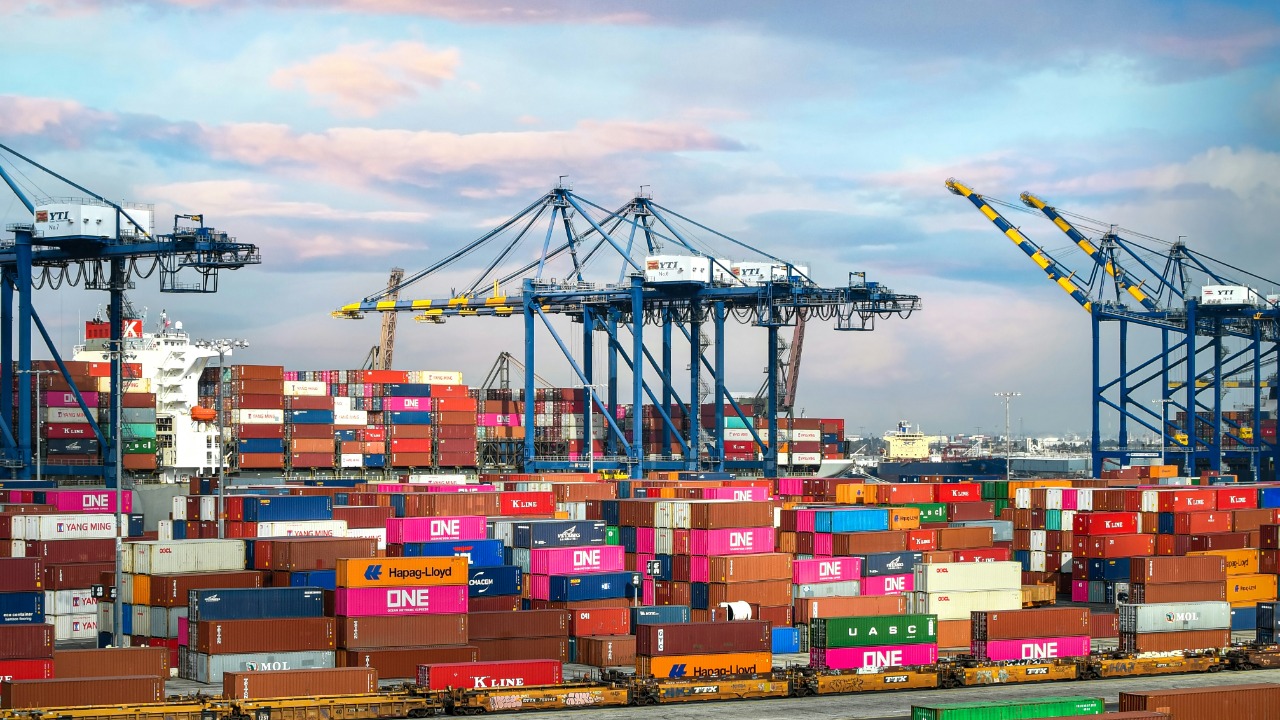
Faced with the financial burden of tariffs, tech companies have made substantial investments in lobbying and political influence to negotiate tariff reductions. These efforts have been crucial in shaping favorable outcomes for the industry. For instance, some companies have engaged in successful lobbying campaigns that resulted in exemptions for specific products or reductions in tariff rates. This approach has proven to be an effective way for companies to lessen their financial burdens while maintaining competitive pricing.
Additionally, strategic partnerships and mergers have become a popular approach for tech companies looking to offset tariff costs. By merging with or acquiring other firms, companies can achieve economies of scale and reduce their overall expenses. Partnerships also allow companies to share resources and expertise, further alleviating financial pressures. For example, some tech giants have formed alliances with international firms to diversify their market presence and reduce dependency on tariff-affected regions.
Supply Chain Reorganization and Diversification
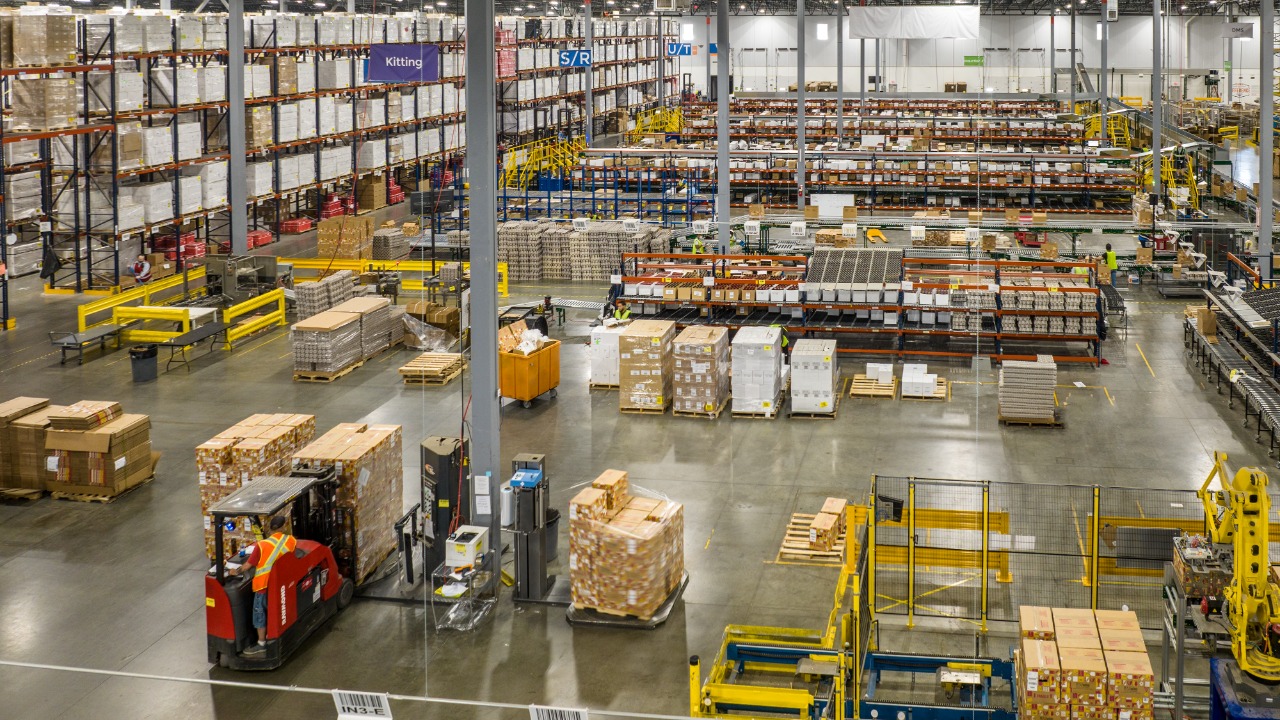
One of the most significant strategies employed by Big Tech to circumvent tariffs has been the reorganization and diversification of their supply chains. Companies have relocated their manufacturing bases from tariff-affected regions to countries with more favorable trade agreements. This shift not only reduces the direct impact of tariffs but also opens new avenues for cost savings and efficiency improvements. Relocating production, however, involves substantial costs and logistical challenges, requiring careful planning and execution.
In addition to relocating manufacturing, tech companies are diversifying their suppliers and raw material sources. By reducing their reliance on specific countries or regions, companies can mitigate risks associated with tariffs and other trade disruptions. Some firms have successfully implemented these strategies, ensuring a more resilient and flexible supply chain. This diversification allows companies to adapt more quickly to changing trade policies and maintain a steady flow of goods to consumers.
Innovative Financial Instruments and Solutions

To further protect themselves from the financial impact of tariffs, many tech firms have turned to financial hedges and derivatives. These financial instruments allow companies to hedge against risks associated with fluctuating tariff rates, providing a layer of financial security. By using options and futures contracts, firms can lock in prices for materials and goods, insulating themselves from sudden cost increases. The effectiveness of these solutions often depends on the expertise of the financial teams managing them and their ability to predict market trends.
Moreover, some tech companies have developed proprietary financial solutions to address tariff-related challenges. These in-house strategies are tailored to the specific needs and circumstances of each firm, enabling them to navigate the complex landscape of international trade more effectively. Case studies of successful implementations show that these tailored approaches can lead to significant cost savings and improved financial stability. Companies that have invested in innovative financial solutions often find themselves better prepared to handle future trade disruptions.
Long-term Implications for the Tech Industry
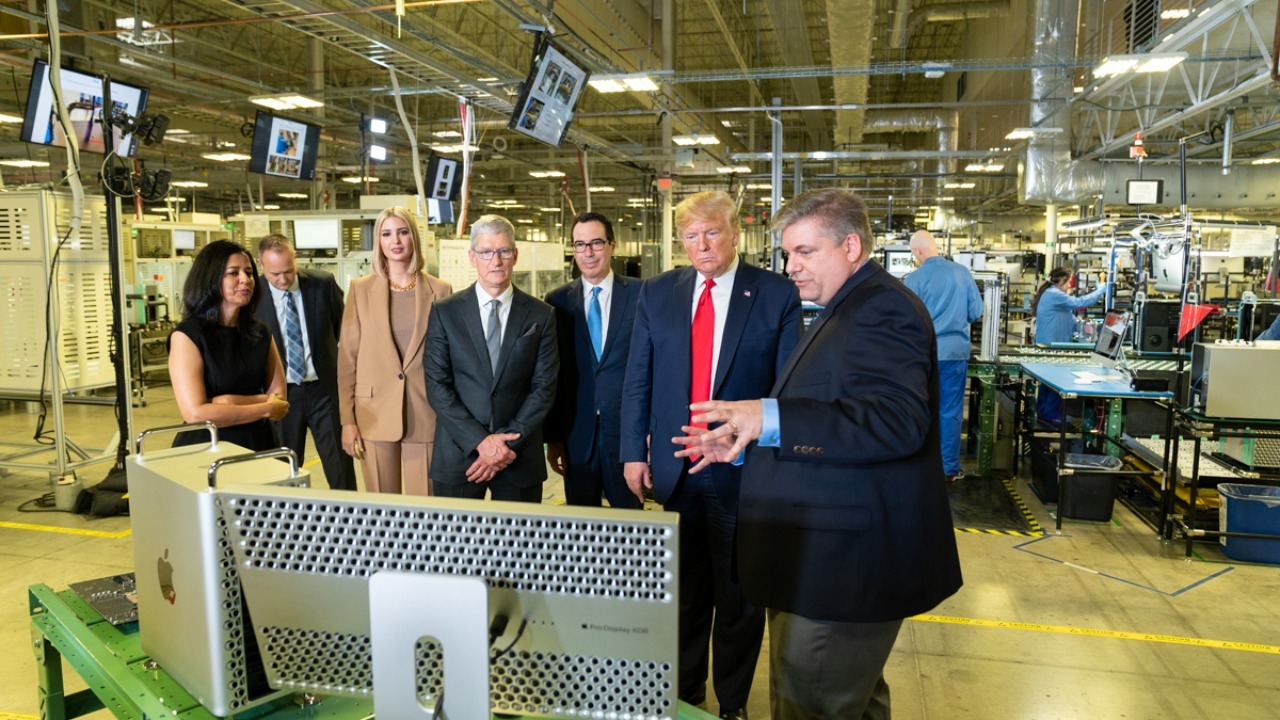
The strategies implemented by Big Tech to navigate tariffs have the potential to reshape the global tech industry dynamics. As companies adapt and innovate, the competitive landscape may shift, leading to the emergence of new market leaders. Firms that successfully diversify their supply chains and invest in strategic partnerships may find themselves in advantageous positions, poised to capitalize on new opportunities as trade barriers evolve.
Looking ahead, the future of tech tariffs remains uncertain, particularly as political landscapes continue to change. Companies must remain vigilant and adaptable, anticipating potential shifts in trade policies that could impact their operations. By preparing for future trade disruptions and maintaining a flexible approach to supply chain management, tech firms can position themselves for success in an ever-changing global marketplace. As the industry continues to evolve, the lessons learned from navigating tariffs under the Trump administration will undoubtedly inform future strategies and decisions.

Grant Mercer covers market dynamics, business trends, and the economic forces driving growth across industries. His analysis connects macro movements with real-world implications for investors, entrepreneurs, and professionals. Through his work at The Daily Overview, Grant helps readers understand how markets function and where opportunities may emerge.

