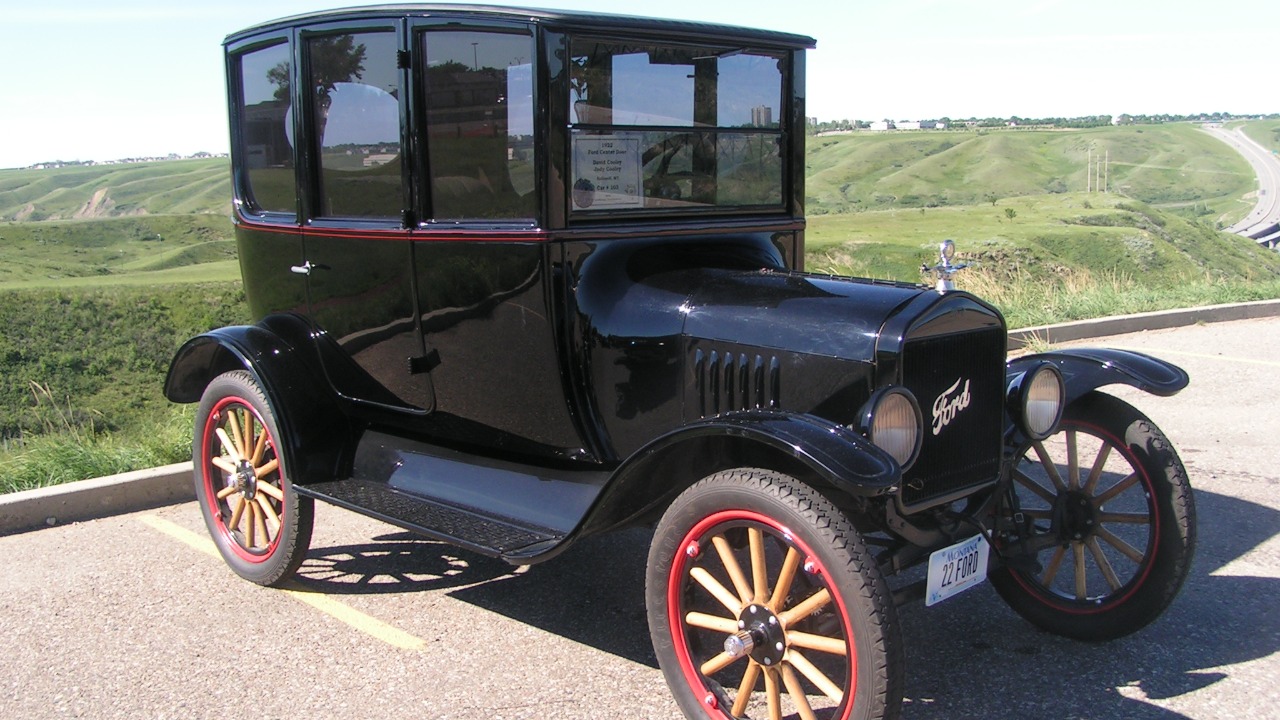
The Ford Model T, often heralded as the car that revolutionized the automotive industry, holds a special place in history. Understanding its production numbers and current value offers insight into its enduring significance and appeal to collectors and enthusiasts alike. This iconic vehicle not only democratized car ownership but also laid the foundation for modern automotive manufacturing techniques that are still in use today.
The Production Legacy of the Ford Model T
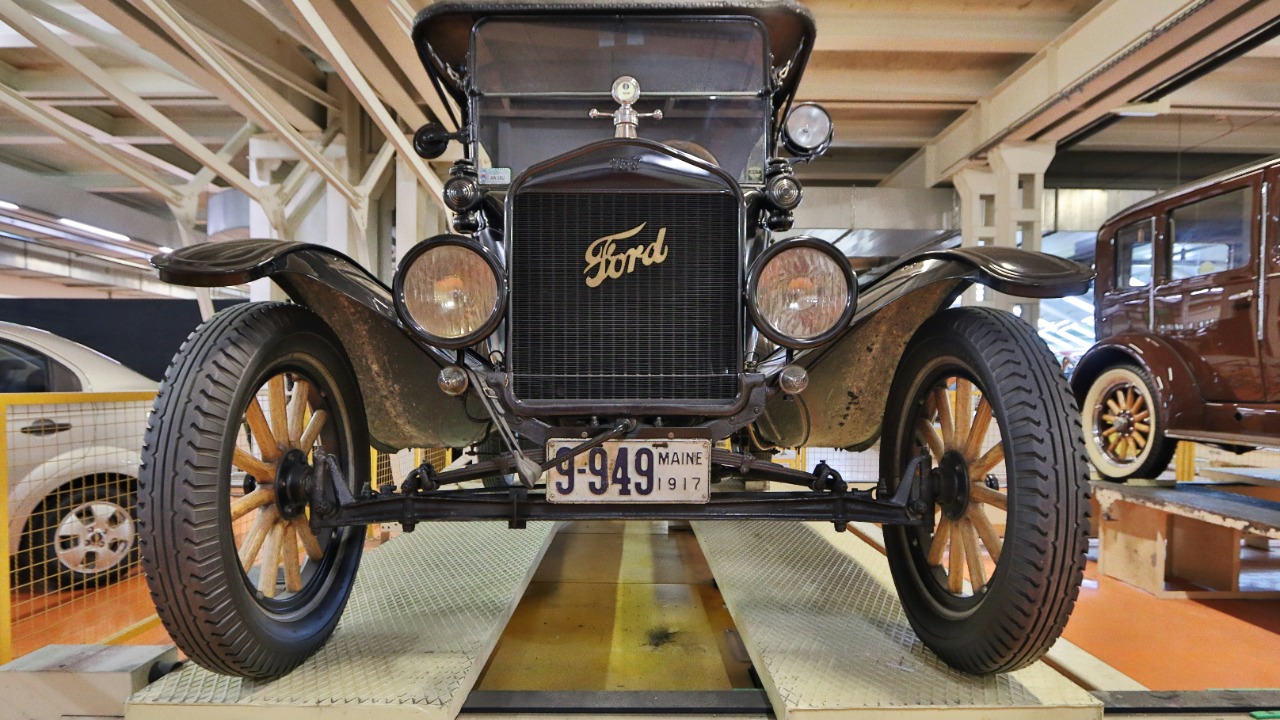
When the Ford Model T rolled off the assembly line for the first time in 1908, it marked the beginning of a new era in transportation. Production reached its zenith in 1923 when more than two million units were made in a single year. The Model T’s production continued until 1927, culminating in a staggering total of over 15 million vehicles produced. This monumental output was made possible through Henry Ford’s pioneering use of the moving assembly line, which drastically reduced production time and costs, thereby making the car affordable for the average American.
The sheer volume of Model Ts manufactured can largely be attributed to Ford’s commitment to efficiency and innovation. By streamlining the assembly process, Ford was able to lower the price from $850 in 1908 to under $300 by the mid-1920s. The impact of this was profound, not only for the automotive industry but also for the broader economy, as it set a precedent for mass production that other industries would soon follow. The Model T wasn’t just a car; it was a symbol of modernity and progress, and its production history reflects that.
Factors Influencing Today’s Value of a Ford Model T
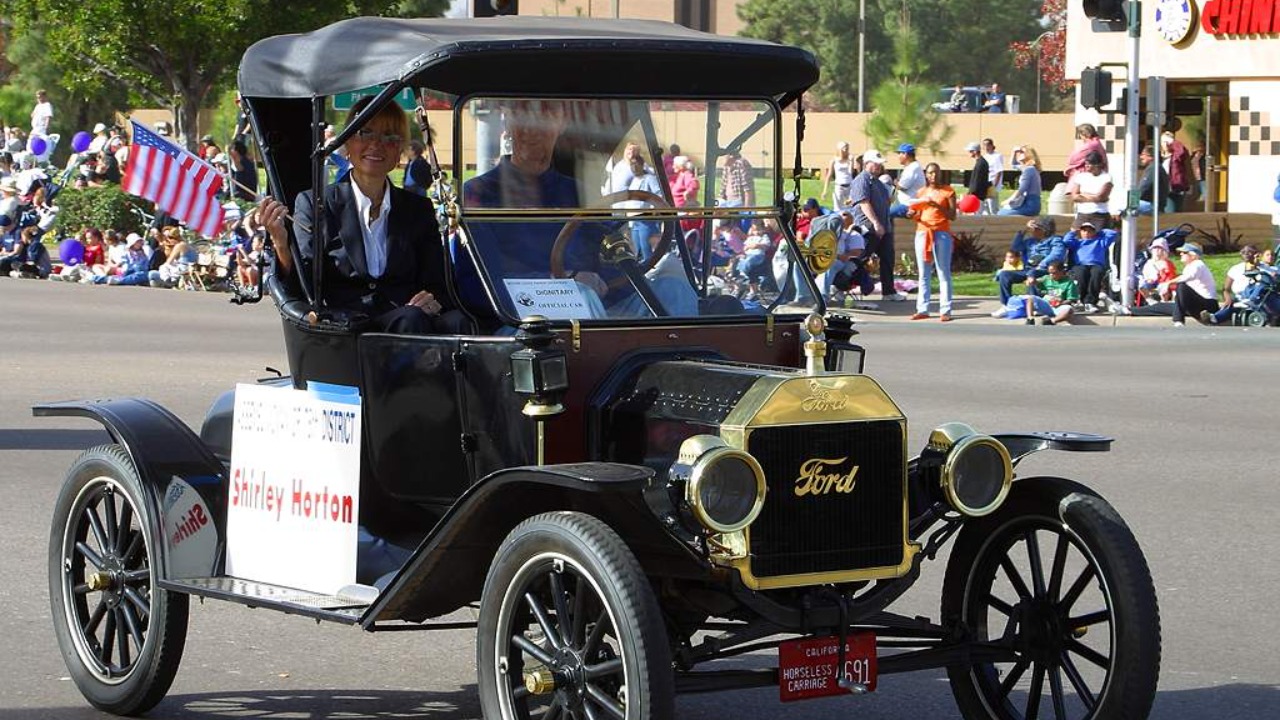
The historical significance of the Ford Model T cannot be overstated, and this plays a significant role in its value as a collector’s item today. As the first automobile to be mass-produced on an assembly line, the Model T represents a major milestone in industrial history. Enthusiasts and collectors are drawn to its legacy as the vehicle that put America on wheels, making it a prized possession for those interested in automotive history.
However, the value of a Model T today is influenced by more than just its historical importance. The condition and originality of the vehicle are crucial factors in determining its worth. Cars that have been well-preserved or restored using original parts tend to fetch higher prices than those that have been heavily modified. Additionally, market trends in the vintage car market have seen fluctuations, with certain models and editions becoming more sought-after over time. As with any collectible, rarity and provenance can lead to significant variability in pricing.
The Model T in Popular Culture and Its Enduring Appeal

The Ford Model T has left an indelible mark on popular culture, often serving as a symbol of innovation and change. Its frequent appearances in films and literature underscore its status as an icon of early 20th-century America. Movies such as “The Great Race” and “Chitty Chitty Bang Bang” have featured Model Ts, further cementing their place in cultural memory. This exposure has helped maintain the car’s allure, as new generations discover its charm through these representations.
Aside from its media presence, the nostalgia associated with the Model T plays a significant role in its enduring appeal. For many, owning and driving a Model T is an opportunity to connect with the past and experience a piece of history firsthand. The simplicity of its design and mechanics also offers a stark contrast to today’s complex vehicles, providing a unique driving experience that appeals to enthusiasts. Moreover, the Model T’s revolutionary impact on modern automotive design and production techniques cannot be overlooked, as it set the stage for the mass production methods used in today’s car manufacturing.
Recent Auction Results and Market Insights

The market for Ford Model Ts has seen notable activity in recent years, with auctions showcasing the continued interest and high valuations these vehicles can command. Noteworthy sales have included pristine examples fetching prices upwards of $40,000, depending on the car’s condition and history. For instance, a well-maintained 1914 Model T Touring recently sold at auction for $35,000, highlighting how factors like provenance and originality can significantly influence value.
While some Model Ts achieve high prices, there is considerable variability in the market. Special editions, such as the 1915 Model T Speedster, can command higher prices due to their rarity and unique features. Similarly, cars with documented histories and minimal modifications tend to attract premium bids. Automotive historians and auctioneers often emphasize that while the Model T may not always reach the six-figure sales seen with other classic cars, its cultural and historical value continues to ensure strong interest among collectors.
Preserving and Restoring a Ford Model T

Restoring a Ford Model T presents unique challenges and opportunities for enthusiasts. The simplicity of its design offers a relatively accessible entry point for restoration, but maintaining authenticity requires careful sourcing of original parts. Common issues include dealing with aged wooden components and ensuring the integrity of the vehicle’s mechanical systems. Experts recommend joining dedicated Model T clubs and forums, which can provide invaluable advice and resources for restoration projects.
Preservation is not just about maintaining the vehicle’s appearance but also its historical integrity. Authenticity is crucial, as vehicles that retain original parts and features tend to hold their value better. Maintaining a Model T in its original form not only preserves a piece of automotive history but also enhances its appeal to future collectors. The importance of these efforts cannot be overstated, as they ensure that the legacy of the Model T continues to be appreciated by generations to come.

Cole Whitaker focuses on the fundamentals of money management, helping readers make smarter decisions around income, spending, saving, and long-term financial stability. His writing emphasizes clarity, discipline, and practical systems that work in real life. At The Daily Overview, Cole breaks down personal finance topics into straightforward guidance readers can apply immediately.

