
In a world where expertise is often narrowly defined, talent stacking offers a dynamic approach to personal and professional growth. By combining a diverse set of skills, individuals can create unique value without relying on chance. Actionable strategies can help effectively implement talent stacking, sidestepping the unpredictable nature of luck.
The Fundamentals of Talent Stacking

Talent stacking is the concept of combining complementary skills to enhance overall effectiveness and marketability. Unlike traditional skill development, which often focuses on mastering a single discipline, talent stacking encourages the integration of various competencies that together create a unique professional profile. This approach is not only about acquiring skills randomly but strategically selecting those that complement each other to provide a competitive edge.
Diversity in skill sets plays a critical role in talent stacking. A diverse skill set opens up unique career opportunities and increases adaptability in a rapidly changing job market. For example, a graphic designer who also knows web development can offer more comprehensive services than someone skilled in only one of these areas. The combination of skills can make an individual more versatile and valuable to employers.
Case studies of successful individuals demonstrate the power of talent stacking. Consider someone like Elon Musk, who combines knowledge in physics, engineering, and economics to drive innovative companies such as Tesla and SpaceX. By stacking these complementary skills, Musk has created a unique career path that consistently defies traditional industry boundaries.
Identifying Your Core Skills and Interests

Identifying your core skills and interests is an essential first step in talent stacking. Self-assessment techniques, such as the SWOT analysis, can help identify strengths, weaknesses, opportunities, and threats in your current skill set. You might also consider personality tests like the Myers-Briggs Type Indicator to gain insights into your innate preferences and how they align with your skills and interests.
Aligning your skills with market demands is crucial for effective talent stacking. Research current and emerging trends in your field to determine which skills are in high demand. For instance, data analysis and digital marketing are becoming increasingly important across various industries. By aligning your skills with these trends, you can ensure that your talent stack remains relevant. Platforms like LinkedIn offer insights into market trends and skill gaps.
Setting clear, actionable goals is another critical aspect of talent stacking. Establishing specific objectives helps focus your efforts and measure progress. Whether you aim to learn a new programming language or improve your public speaking skills, clear goals provide direction and motivation on your talent stacking journey.
Strategically Acquiring New Skills
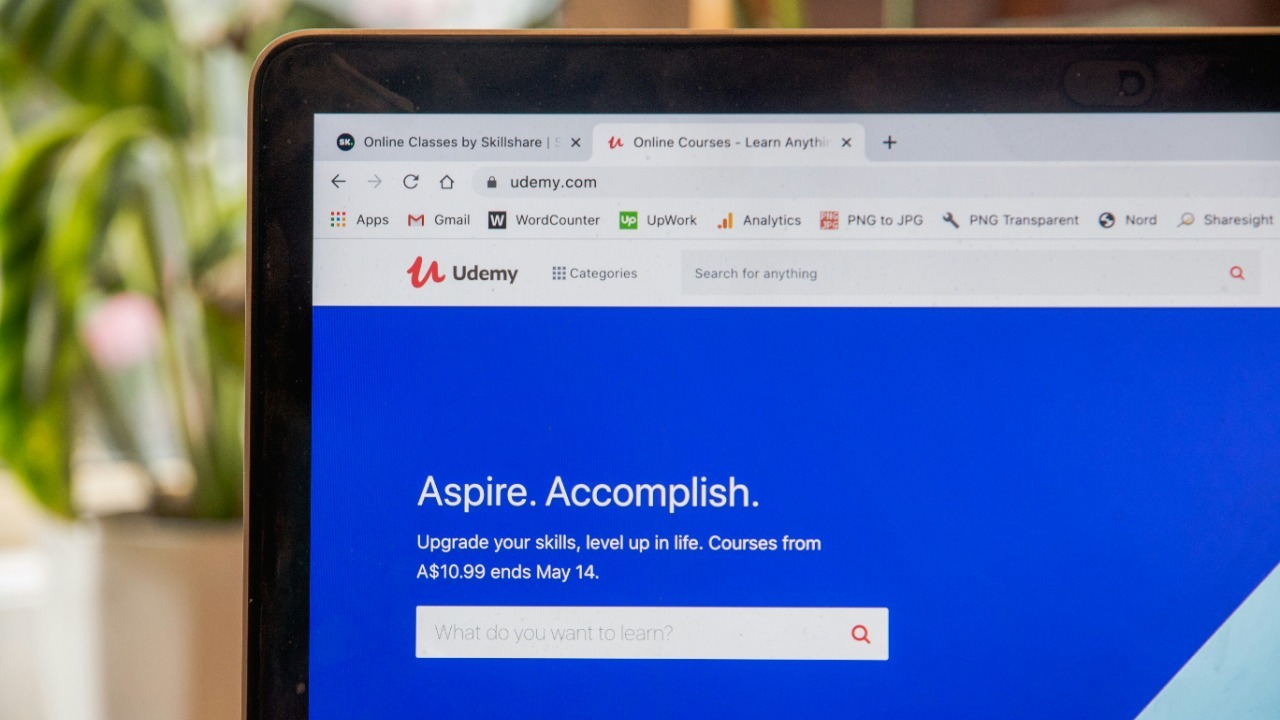
Leveraging online resources is a practical way to acquire new skills. Platforms like Coursera, Udemy, and Khan Academy offer courses ranging from data science to creative writing, enabling you to learn at your own pace. These resources provide flexible learning opportunities that can fit into your schedule, making it easier to build your talent stack.
Developing a structured learning plan is essential for systematic and efficient skill acquisition. Begin by listing the skills you wish to acquire and prioritize them based on relevance and demand. Allocate specific time slots in your weekly schedule for learning, and set milestones to track your progress. This structured approach ensures that you’re consistently working towards enhancing your talent stack without becoming overwhelmed.
Networking for knowledge is another valuable strategy. Engaging with experts and peers in your field can provide insights and tips that textbooks or online courses might not offer. Attend industry conferences, join professional groups on social media, and participate in webinars to broaden your knowledge base. Networking not only enhances learning but also opens doors to new opportunities and collaborations.
Avoiding Common Pitfalls in Talent Stacking

One common pitfall in talent stacking is falling into the jack-of-all-trades syndrome, where individuals spread themselves too thin across many skills without mastering any. To avoid this, focus on maintaining depth in your skill set while diversifying. Choose a few core skills to develop deeply, and complement them with additional skills that enhance your overall capabilities.
Effective time management is crucial when balancing skill acquisition with other responsibilities. Techniques such as the Pomodoro Technique or time blocking can help you allocate time efficiently. By setting specific periods for focused work and breaks, you can maximize productivity and ensure a balanced approach to skill development.
Regularly evaluating progress is vital to ensure your talent stacking strategy remains effective. Use metrics to assess your improvement in each skill, and adjust your learning plan as needed. By staying vigilant about your progress, you can make informed decisions about which skills to continue developing and which to deprioritize.
Showcasing Your Talent Stack

Creating a personal brand is key to effectively communicating your unique skill set to employers and clients. Develop a clear narrative around your skills and experiences, and use platforms like Frontera to showcase your brand. Highlight how your diverse skills contribute to solving problems and adding value in your field.
Building a portfolio that highlights your diverse skills and accomplishments is another effective way to showcase your talent stack. Include projects that demonstrate your abilities across different areas, and provide context for each project to show how your skills were applied. A comprehensive portfolio can serve as tangible evidence of your capabilities and achievements.
Leveraging social media platforms such as LinkedIn, Twitter, and Instagram can further enhance your visibility. Share content related to your skills and experiences, engage with industry discussions, and connect with professionals in your field. By actively participating in online communities, you can showcase your talent stack to a wider audience and attract potential opportunities.

Cole Whitaker focuses on the fundamentals of money management, helping readers make smarter decisions around income, spending, saving, and long-term financial stability. His writing emphasizes clarity, discipline, and practical systems that work in real life. At The Daily Overview, Cole breaks down personal finance topics into straightforward guidance readers can apply immediately.

