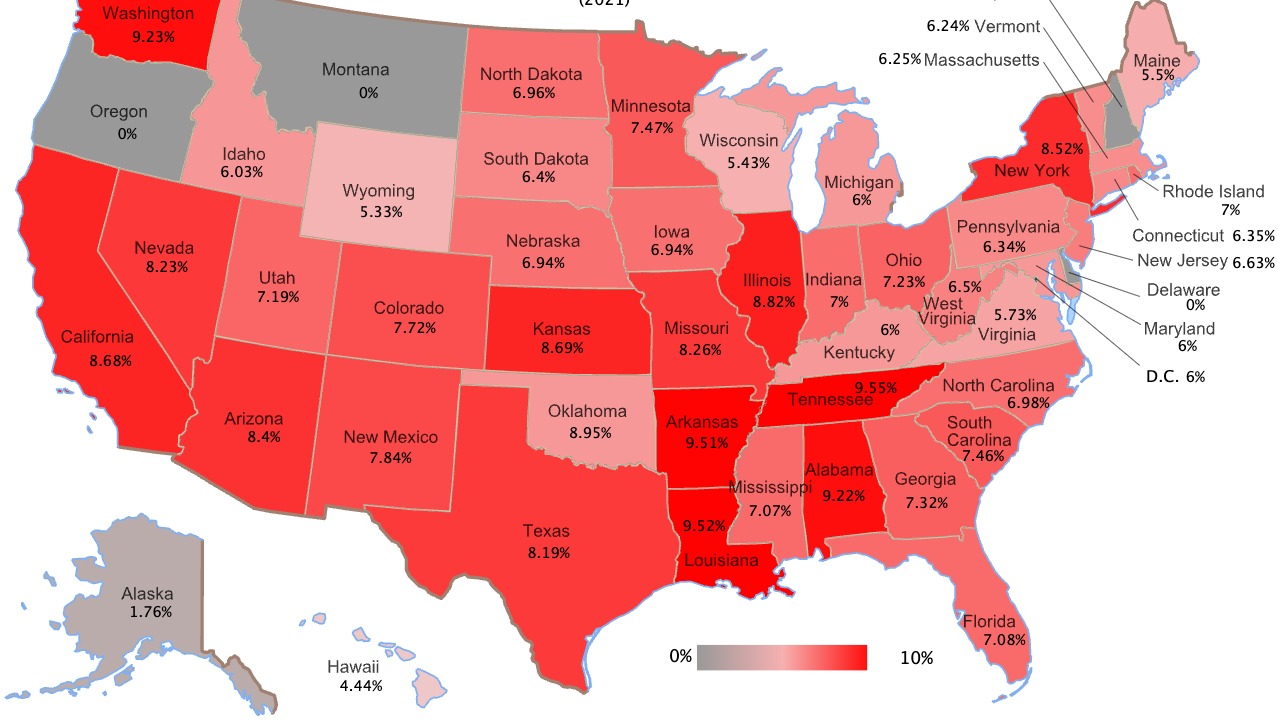
The recent increase in the State and Local Tax (SALT) deduction cap to $25,000 marks a significant shift in tax policy, offering a more substantial tax break for high-earning homeowners, particularly in high-tax states. This legislative change is expected to benefit primarily those in affluent areas, with a notable 78% of the benefits projected to flow to blue states. While this adjustment provides a more generous deduction opportunity, it also raises questions about its fairness and the broader implications for taxpayers across different income levels.
Understanding the New SALT Cap Changes
The transition from the previous SALT deduction limit to the new $25,000 cap represents a substantial increase, making the deduction significantly more generous for eligible taxpayers. Previously capped at $10,000, the new limit allows taxpayers to deduct a larger portion of their state and local taxes, which include property, income, and sales taxes. This change is particularly advantageous in high-tax jurisdictions where these combined levies can be substantial. By raising the cap, the legislation aims to alleviate some of the financial burdens on taxpayers in these areas, allowing them to maximize their deductions and reduce their taxable income.
The legislative context surrounding this increase is rooted in efforts to address the limitations imposed by the previous cap. The higher limit targets deductions that were previously restricted, offering a more comprehensive tax relief option for those who qualify. According to a SALT cap tax deduction guide, this change is designed to provide a practical breakdown of how taxpayers can leverage the new cap to their advantage.
Who Benefits from the Increased Cap
The primary beneficiaries of the increased SALT cap are high-earning homeowners in high-tax states. These individuals stand to gain the most from the larger deductions on property and income taxes, as their tax liabilities often exceed the previous $10,000 cap. This adjustment allows them to deduct a more significant portion of their state and local taxes, effectively lowering their overall tax burden. However, the benefits are not evenly distributed across all income levels. As highlighted by Yahoo Finance, the increased cap primarily favors the wealthy, who are more likely to have higher tax liabilities and thus benefit more from the deduction.
Geographically, the impact of the increased SALT cap is also uneven. According to the National Taxpayers Union Foundation, blue states are projected to receive 78% of the benefits from the raised cap. This disparity highlights the geographic concentration of high-tax states, which are predominantly blue, and underscores the political implications of the policy change. While the increased cap provides significant relief for taxpayers in these states, it also raises questions about the equity of the tax system and the distribution of benefits across different regions.
Strategies to Maximize Your SALT Deduction
To make the most of the new SALT deduction cap, taxpayers can employ several strategies. One effective approach is to bunch deductible expenses, such as property taxes, into a single year. This tactic allows taxpayers to maximize their deductions by concentrating their expenses within the $25,000 cap, thereby optimizing their tax savings. Additionally, prepaying state income taxes or adjusting withholdings can help taxpayers stay within the new limits while maximizing their deductions. These strategies are particularly beneficial for homeowners in high-tax areas, where state and local taxes can quickly add up.
Consulting with tax professionals can also provide valuable insights into whether itemizing deductions or opting for the standard deduction is more advantageous. The MarketWatch article suggests that understanding the nuances of the SALT deduction and how it interacts with other tax provisions can help taxpayers make informed decisions and maximize their tax benefits.
Potential Limitations and Planning Tips
Despite the increased cap, the SALT deduction still excludes many lower-income filers from benefiting fully. As noted by Quartz, only the wealthy are likely to benefit from the full $25,000 allowance due to the scale of taxes in affluent areas and income thresholds. This limitation underscores the ongoing debate about the fairness of the SALT deduction and its impact on income inequality. While the increased cap provides significant relief for high earners, it does little to address the broader disparities in the tax system.
State-specific impacts also play a crucial role in determining the benefits of the increased SALT cap. Blue states, which are projected to receive the majority of the benefits, stand to gain the most from the policy change. This geographic concentration of benefits highlights the importance of considering state-specific factors when planning for tax deductions. For taxpayers in high-tax states, timing home purchases or tax payments can be a strategic way to leverage the deduction and maximize their tax savings. By understanding the nuances of the SALT deduction and its implications for different income levels and regions, taxpayers can make informed decisions and optimize their tax strategies.
More From TheDailyOverview
- Dave Ramsey warns to stop 401(k) contributions
- 11 night jobs you can do from home (not exciting but steady)
- Small U.S. cities ready to boom next
- 19 things boomers should never sell no matter what

Julian Harrow specializes in taxation, IRS rules, and compliance strategy. His work helps readers navigate complex tax codes, deadlines, and reporting requirements while identifying opportunities for efficiency and risk reduction. At The Daily Overview, Julian breaks down tax-related topics with precision and clarity, making a traditionally dense subject easier to understand.

