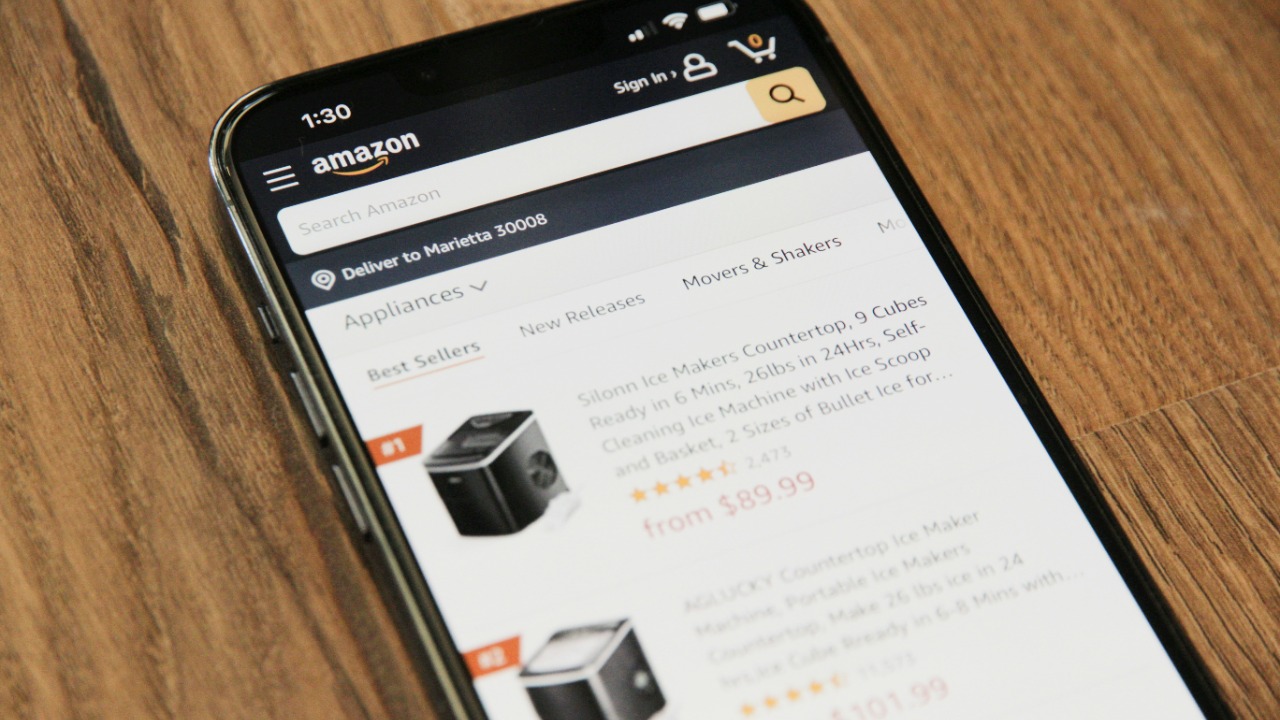
Quitting Amazon started as a money-saving experiment and quickly turned into a broader reset of how I shop, spend, and even relate to my neighborhood. I expected a few extra errands and some minor inconvenience. What I did not expect was how much my impulse buying would drop, how different my budget would look, and how much more connected I would feel to the people and places around me.
Stepping away from one-click orders forced me to confront what I actually value: time, money, and a sense of community that no cardboard box on the porch can deliver. The lessons that followed, from rethinking “convenience” to rediscovering local stores, echo what other former heavy users of Amazon have reported, and they surprised me as much as the savings.
Why I finally logged out of Amazon
My break with Amazon did not come from a single bad delivery or a lost package. It built slowly, as I watched my order history swell with things I barely remembered buying and saw my monthly spending creep up even when I thought I was being careful. Stories from other shoppers who had already walked away, including people who quit buying from Amazon during the first wave of COVID lockdowns, made me realize that my “normal” had quietly become a habit I had never really chosen.
There was also a growing sense that the convenience I loved was quietly reshaping my days. I was browsing instead of planning, reacting to flash deals instead of thinking about what I actually needed. Reading about how impulse purchases used to be a constant temptation for other frequent Amazon users, who later found that simply stepping away made it easier to pause and ask whether an item was necessary, convinced me to try the same reset for myself using the same logic that had led them to quit Buying on the platform.
The first shock: my “savings” were mostly an illusion
Like many people, I had long assumed that Amazon was automatically the cheapest option, especially once I factored in fast shipping. Once I stopped defaulting to that search bar, I started comparing prices more deliberately and discovered that the supposed bargains were often not bargains at all. In one widely shared discussion, a shopper who considered cancelling their account in Dec pointed out that they could get the same items with free shipping through eBay or other sites, and that prices were frequently higher on Amazon than elsewhere.
My own comparisons echoed that experience. Household basics, from cleaning supplies to phone chargers, were often cheaper at local discount chains or on smaller online shops once I took a few minutes to look. People who stopped buying from Amazon and then checked prices in brick-and-mortar stores reported the same pattern, noting that the first thing they noticed after quitting was how often the platform was not the lowest-cost option when they actually checked the price against local shelves or other websites.
Impulse buying collapsed once one-click disappeared
The most dramatic change came in how often I bought things on a whim. Without a “Buy Now” button sitting in my pocket, I had to slow down, search for alternatives, or physically go to a store, which created just enough friction to ask whether I really needed another gadget or duplicate kitchen tool. Former frequent shoppers interviewed about quitting Amazon described the same pattern, explaining that once they stopped clicking to buy items online, they became far more deliberate about each purchase and saw their overall spending fall as a result of that extra pause before clicking.
Others have framed this as a kind of habit-breaking exercise. One former heavy user described how “Kicking the Habit Helps Curb Impulse Spending,” noting that for Charbonier, one of the biggest perks of dropping Amazon was that it forced her to think more carefully before buying and to support small and local businesses instead of defaulting to the same digital cart every time she wanted something, a shift that shows how Kicking the Habit Helps Curb Impulse Spending in practice.
Rebuilding a shopping routine without Amazon
Once I committed to staying off Amazon, I had to rebuild the basic routines that had quietly revolved around it. That meant finding new places to buy books, household goods, and gifts, and accepting that I would sometimes need to plan a few days ahead instead of assuming everything could arrive tomorrow. One writer who described their own break with the platform explained that “One of the first mindful” changes they made was committing to no physical book purchases from Amazon, and that over time they found local and independent alternatives that made the cost difference effectively null.
Two years after quitting, another former customer reflected on how their life had adjusted, noting that “One-click” shopping had once made it far too easy to grab impulse buys they did not need, but that over time they built new habits around local stores and more intentional online orders that aligned better with their values of Sustainable Progress. That long view helped me stay patient during the awkward early weeks, when I was still figuring out which neighborhood hardware store carried the odd-sized light bulbs and which independent bookstore could order a specific paperback as quickly as I was used to.
Where my money goes now: small businesses and real people
As my Amazon orders dropped to zero, I started to notice where my money was going instead. More of it stayed in my city, at the corner pharmacy that knows my name and the family-owned stationery shop that stocks the notebooks I used to buy online. Others who have made the same shift describe a similar redirection of spending, explaining that quitting Amazon redirects money to small businesses rather than feeding more dollars into Amazon’s nearly trillion dollar valuation, and that this change can foster a stronger sense of community.
That shift is not just sentimental. When I buy a birthday card from a local shop instead of a mass marketplace, I see the owner restocking shelves, hiring teenagers from the neighborhood, and sponsoring the little league team whose banner hangs in the window. Former Amazon loyalists like Charbonier have said that once they stopped defaulting to the platform, they made a point of supporting “Small Businesses Rather” than a single corporate giant, and that this choice reshaped their sense of connection to the places where they live and work.
Convenience was not what I thought it was
Before I quit, I treated Amazon as the definition of convenience: fast shipping, saved addresses, and a familiar interface. Once I stepped away, I realized that convenience had been narrowed to mean “arrives quickly,” even if it encouraged me to buy things I did not need or settle for lower quality. One former shopper who stopped using the site described how, after a couple of weeks without it, they noticed they were no longer mindlessly buying everything that popped into their head just because it would get there fast, and that this change in behavior made them question what kind of After they really wanted from online shopping.
Other ex-customers have been blunt that giving up the convenience of Amazon is not easy, especially for people who have built their routines around fast deliveries and one-stop shopping. Yet those same voices also describe how, once they adjusted, they became more conscious of their spending across all areas of life and more deliberate about when speed truly mattered, a shift summed up in the reflection that “Giving Up the Convenience of Amazon Isn”t simple but can lead to more thoughtful choices about what, when, and how to buy.
My spending habits changed far beyond Amazon
Once I removed one-click orders from my life, the ripple effects reached far beyond a single website. I started keeping a running list of things I needed, waiting a few days before buying, and asking whether each purchase fit my priorities for the month. People like Charbonier have described a similar transformation, saying that the biggest lesson after quitting Amazon was “More Conscious Spending Across All Areas of Life Above” all, and that this mindset shift helped them feel more in control of their budget and less pulled by constant temptation.
To reinforce that discipline, I borrowed tactics from savers who have documented how they built substantial cushions by changing their shopping habits. One writer explained that “When I was shopping, I used a list to stay focused and avoid distractions,” and that for online purchases they created a 24 to 48-h waiting period before checking out, a habit that curbed a lot of unnecessary spending and helped them save their first significant chunk of money, a strategy detailed in their account of how they saved their first 50K.
How quitting Amazon changed how I feel about my stuff
Another surprise was emotional rather than financial. When I stopped treating purchases as frictionless and instant, I began to care more about the things I did bring home. I spent more time choosing them, often talking to store staff or reading detailed reviews from smaller retailers, and as a result I felt a stronger connection to those items. Charbonier described a similar shift, saying that “Pride in Ownership Is Renewed” once she stopped relying on Amazon for everything, and that she began to appreciate her belongings more because they were chosen with intention rather than arriving as part of an endless stream of packages.
That renewed pride also changed how often I felt the urge to upgrade or replace things. Instead of chasing the latest version of a gadget because it was one click away, I found myself repairing, maintaining, and fully using what I already owned. Former Amazon shoppers who have reflected on their experiences say that this mindset shift is one of the most lasting benefits of stepping away from the platform, and that it often goes hand in hand with the broader realization that they do not need Amazon to thank for their sense of satisfaction with what they own.
The bigger lesson: quitting Amazon was about control, not deprivation
Looking back, walking away from Amazon was less about rejecting a single company and more about reclaiming control over my attention, my budget, and my surroundings. The stories that nudged me toward that decision, from people who quit during COVID to those who later shared how they stopped buying things from Amazon and what they learned, all pointed to the same core idea: once they stepped back, they realized how much of their shopping had been driven by habit rather than need, and how much better it felt to make those choices on their own terms, a theme that runs through accounts of people who have Stopped Buying Things From Amazon.
The surprise was not that I could live without Prime deliveries, but that life without them felt calmer, cheaper, and more grounded than I expected. My spending is more intentional, my home is less cluttered, and my neighborhood feels less like a backdrop and more like a network of real places and people I rely on. For Charbonier and others who have made the same choice, the lesson is similar: quitting Amazon is not about punishment or purity, it is about designing a way of shopping that reflects what you actually value, and discovering that you may have more power to do that than the “Buy Now” button ever suggested.
More From TheDailyOverview

Cole Whitaker focuses on the fundamentals of money management, helping readers make smarter decisions around income, spending, saving, and long-term financial stability. His writing emphasizes clarity, discipline, and practical systems that work in real life. At The Daily Overview, Cole breaks down personal finance topics into straightforward guidance readers can apply immediately.

