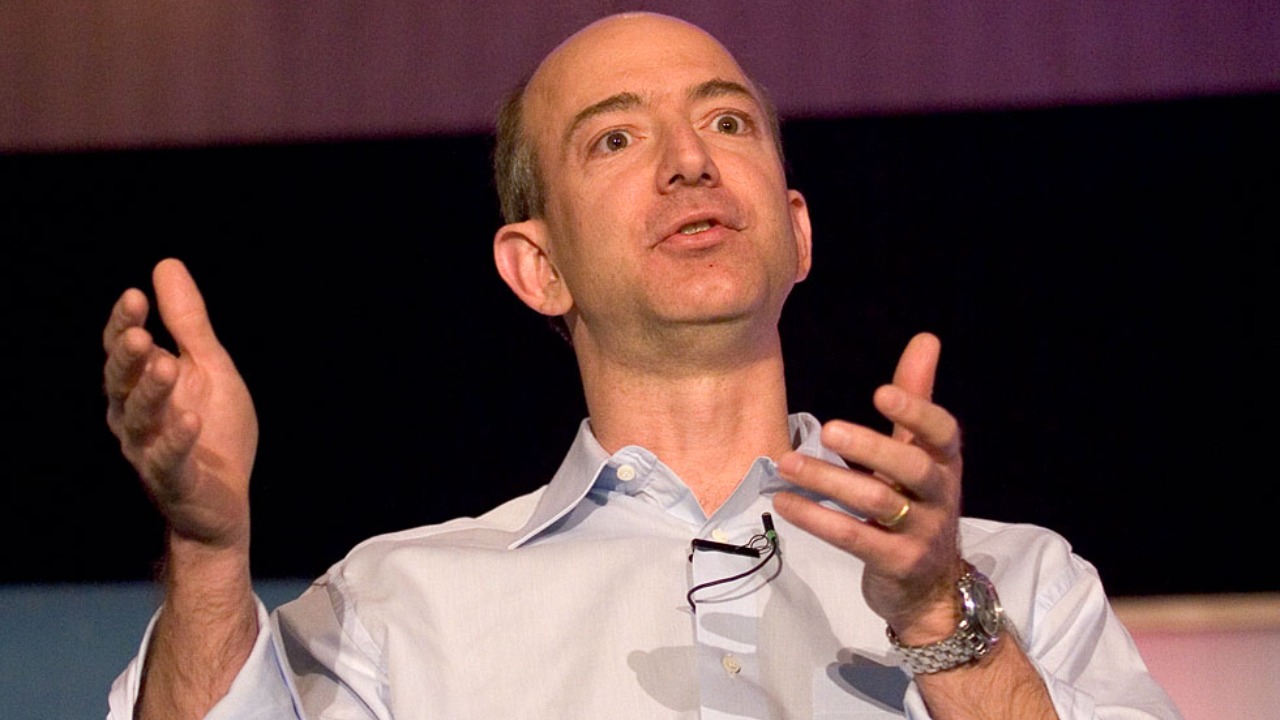
Jeff Bezos, one of the world’s wealthiest individuals, has accumulated a significant fortune through the success of Amazon. If this immense wealth were to be distributed or split in some way, it could lead to unprecedented changes and impacts. From economic shifts to philanthropic opportunities, the redistribution of Bezos’s fortune could reshape various facets of society.
Economic Impacts of Wealth Redistribution
The redistribution of Jeff Bezos’s wealth could lead to significant market effects. With billions of dollars entering various sectors, stock markets might experience increased volatility due to shifts in investment trends. Investors might see new opportunities in sectors previously overlooked, potentially leading to a more balanced market. Additionally, consumer spending could rise as more individuals gain access to financial resources, potentially stimulating economic growth in sectors such as retail and services.
Another critical aspect of wealth redistribution is its potential to reduce wealth inequality. By narrowing the wealth gap, social justice and economic mobility could be significantly enhanced. Individuals from lower-income backgrounds might have better access to education, healthcare, and other essential services, which could lead to a more equitable society. Furthermore, by empowering more people economically, the potential for a more diverse and innovative workforce increases, driving long-term economic growth.
Small businesses and entrepreneurs could also benefit from a redistribution of Bezos’s fortune. If a portion of this wealth is allocated to support innovation and startups, new business ventures might flourish, creating jobs and boosting economic activity. Business incubators and accelerators might receive more funding, providing resources and mentorship to aspiring entrepreneurs. Such an environment could foster a culture of innovation, where groundbreaking ideas have the opportunity to thrive and contribute to the economy.
Philanthropy and Social Change
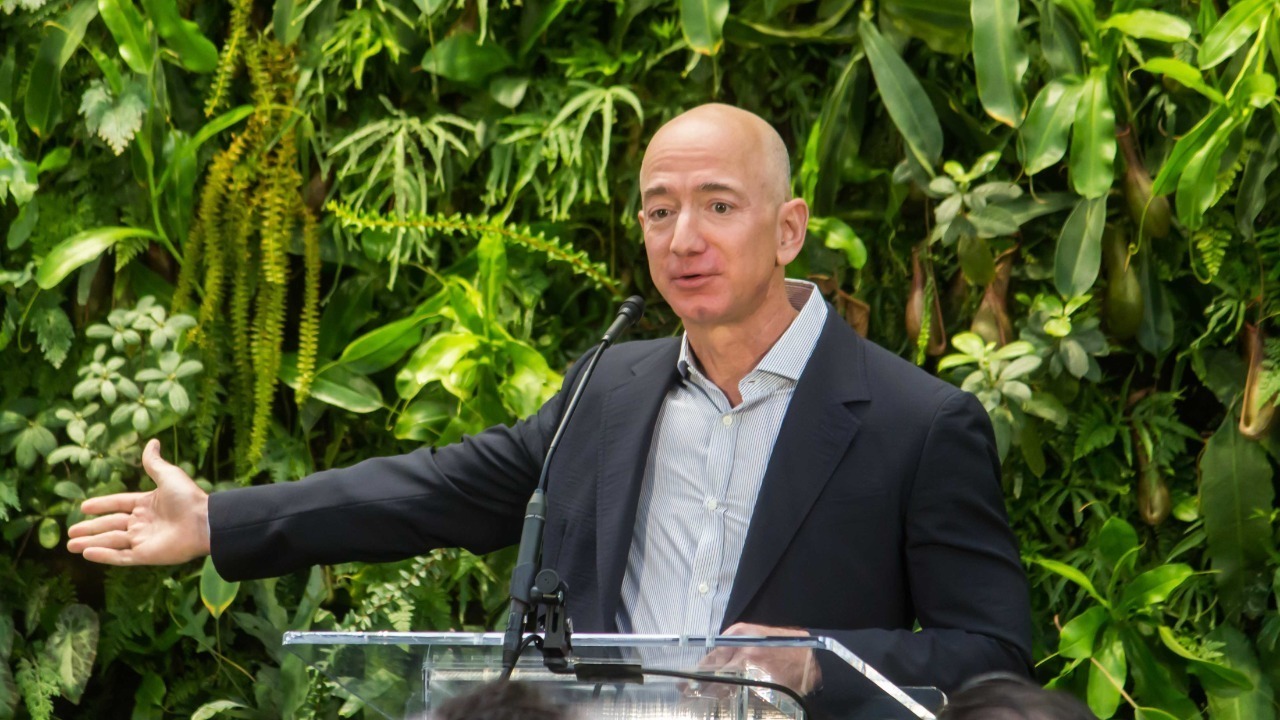
Jeff Bezos’s wealth, if redirected, could have a transformative impact on environmental initiatives. Increased funding from Bezos’s Earth Fund could accelerate global efforts to decarbonize and combat climate change. By investing in renewable energy projects and sustainable technologies, Bezos’s wealth could help mitigate the impacts of climate change and promote a healthier planet for future generations. This action might also inspire other affluent individuals to increase their contributions to environmental causes, amplifying the overall impact.
Educational opportunities could see a dramatic improvement with significant donations directed towards educational institutions and scholarship programs. Such contributions could help bridge the education gap by providing access to quality education for underprivileged students. Scholarships and grants could enable more individuals to pursue higher education, leading to a more educated workforce and fostering social mobility. Investments in educational infrastructure could also modernize schools and universities, preparing students for the challenges of the future.
Healthcare improvements are another area where Bezos’s wealth could make a substantial difference. The reallocation of funds towards healthcare could address disparities and improve access to medical services, especially in underserved communities. By supporting initiatives that promote affordable healthcare and medical research, Bezos’s wealth could contribute to better health outcomes and a more robust healthcare system. This could lead to longer, healthier lives for many people, ultimately benefiting society as a whole.
Legal and Personal Implications
In the context of personal wealth division, prenuptial agreements play a crucial role in protecting vast fortunes. Jeff Bezos’s own experience with divorce highlights the importance of such agreements to ensure a fair and equitable distribution of assets. Prenuptial agreements can help prevent contentious legal battles and provide clarity on how wealth is to be divided, allowing for smoother transitions in personal relationships.
Estate planning and taxation are other critical considerations when dividing a multi-billion-dollar estate. The legal complexities involved in distributing such a vast fortune require careful planning to minimize tax liabilities and ensure compliance with regulations. Trusts and other financial instruments might be utilized to manage the distribution effectively, safeguarding the wealth for future generations while also supporting philanthropic goals. Navigating these legal complexities is essential to avoid potential pitfalls and ensure a seamless transition.
Handling and distributing a large fortune also comes with privacy and security concerns. Maintaining the confidentiality of financial transactions and protecting personal information from potential threats are paramount. Implementing robust security measures and working with trusted financial advisors can help mitigate these risks, ensuring that the distribution process is secure and confidential. This attention to privacy and security is crucial in maintaining trust and protecting the involved parties.
Cultural and Societal Shifts
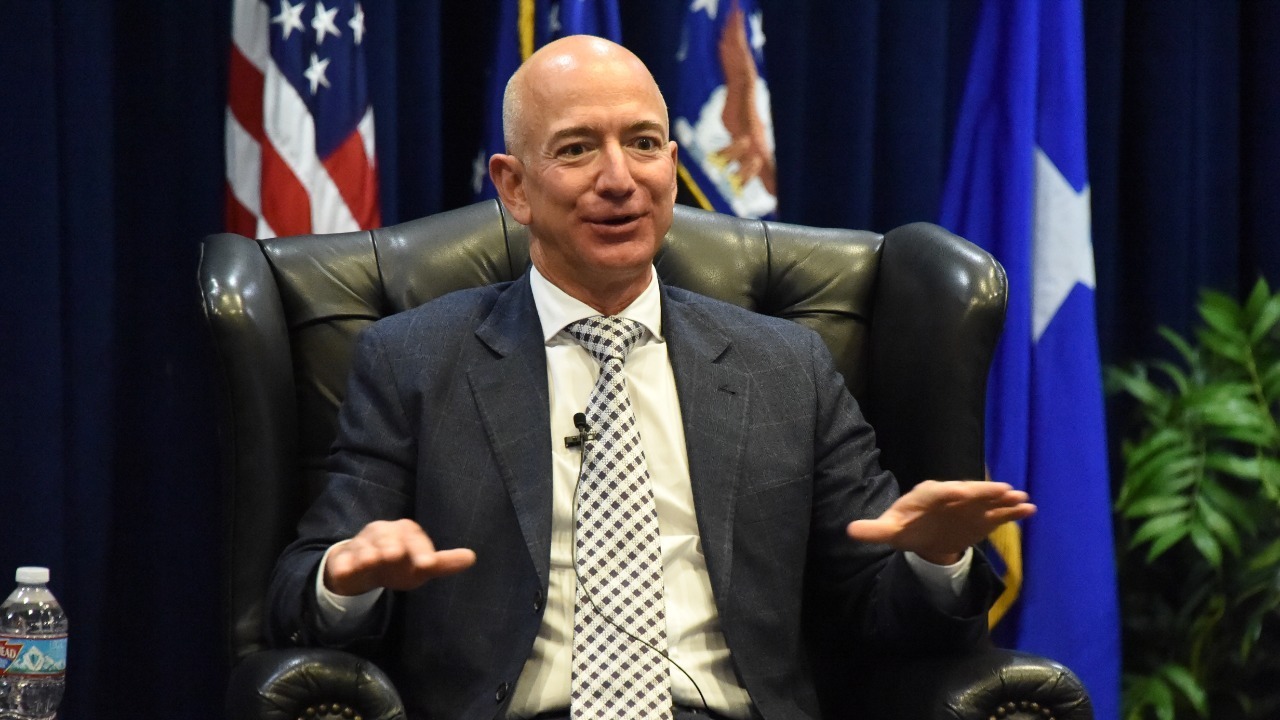
The division of Bezos’s wealth could significantly alter the public perception of wealth and billionaires. Such a move might lead to increased scrutiny of the practices and responsibilities of the ultra-wealthy, encouraging a more critical view of capitalism. It could also spark discussions around the moral obligations of those with significant resources to contribute to societal well-being. This shift in perception may prompt more billionaires to reassess their wealth distribution strategies and undertake more substantial philanthropic endeavors.
The influence on philanthropy could be profound, inspiring other wealthy individuals to reconsider their own philanthropic strategies and commitments. By setting an example of wealth redistribution, Bezos might encourage others to support causes that align with their values and contribute to societal progress. This could lead to a more collaborative approach to philanthropy, where individuals and organizations work together to address pressing global issues and make a lasting impact.
Finally, the role of media in covering such a dramatic wealth split could shape narratives around wealth distribution and influence public discourse. Media coverage could highlight the potential benefits and challenges of wealth redistribution, fostering informed discussions and debates on the topic. By bringing attention to these issues, the media can play a pivotal role in shaping public opinion and driving policy changes that promote a more equitable society.

Cole Whitaker focuses on the fundamentals of money management, helping readers make smarter decisions around income, spending, saving, and long-term financial stability. His writing emphasizes clarity, discipline, and practical systems that work in real life. At The Daily Overview, Cole breaks down personal finance topics into straightforward guidance readers can apply immediately.

