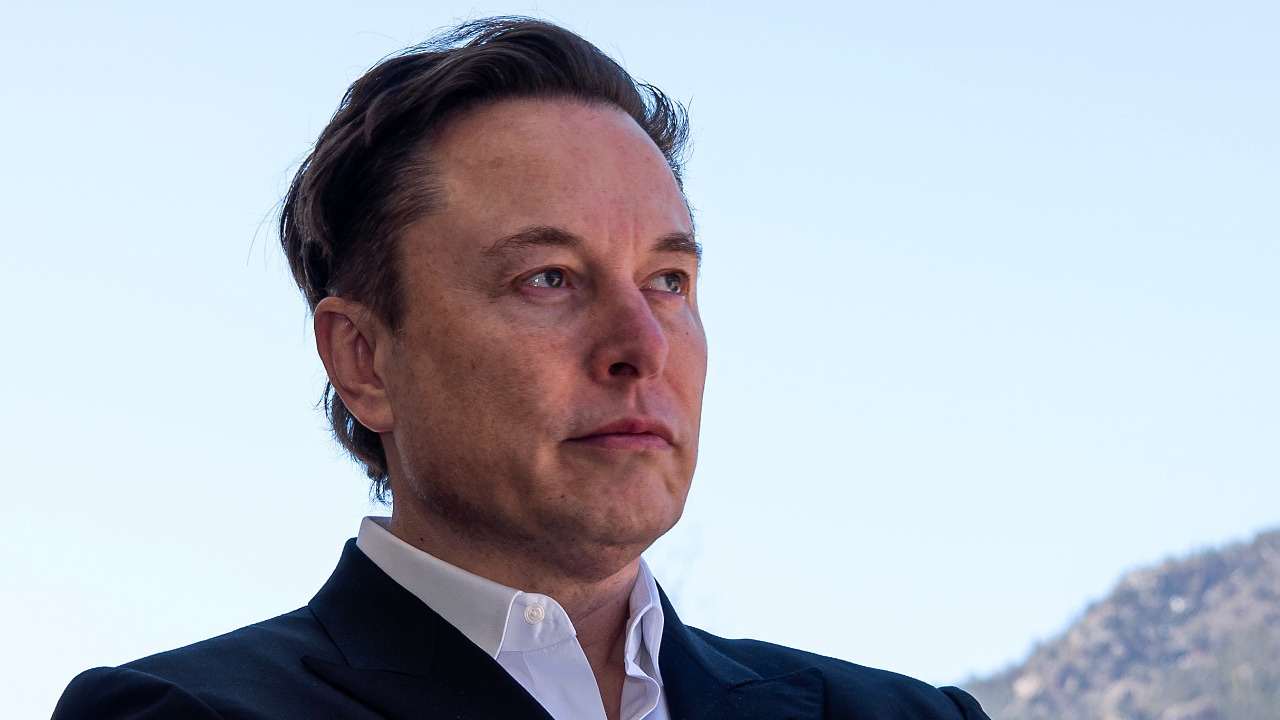
Imagine a world where Elon Musk, one of the richest individuals on the planet, decided to distribute his wealth evenly among the global population. The idea of such an event sparks curiosity about the amount each person would receive and the potential socio-economic implications. From the logistics of redistribution to the broader societal impact, this hypothetical scenario invites us to explore the many facets of wealth distribution on an unprecedented scale.
The Scale of Musk’s Wealth
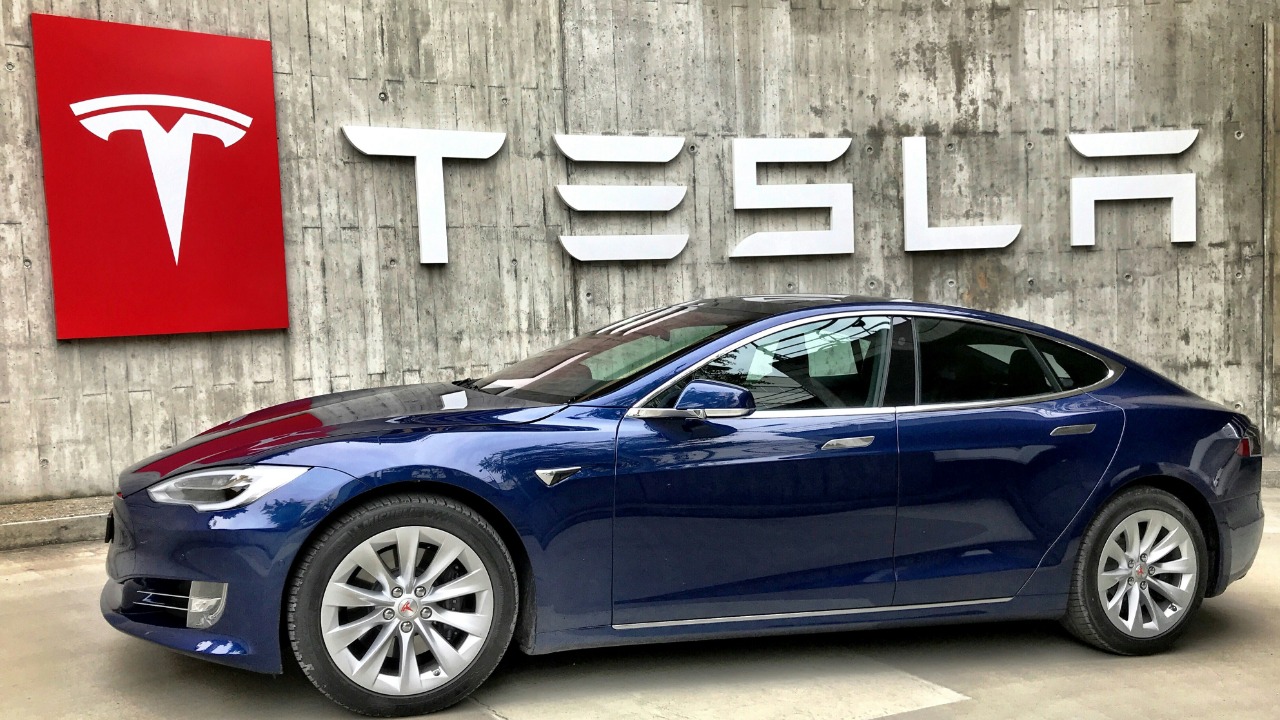
As of now, Elon Musk’s net worth stands at a staggering $400 billion, making him one of the wealthiest individuals globally. His wealth is not only a reflection of his personal fortune but also an indicator of the economic impact of his companies like Tesla and SpaceX. These companies have revolutionized industries, pushing the boundaries of technology and innovation. For context, Musk’s wealth rivals the GDPs of smaller nations, showcasing the immense scale of his financial resources.
Musk’s ventures have not only increased his wealth but have also significantly contributed to the global economy. Tesla’s pioneering efforts in electric vehicles and sustainable energy solutions have disrupted traditional automotive markets, while SpaceX’s advancements in space exploration have opened new frontiers. These contributions highlight how Musk’s wealth is intricately linked to broader economic dynamics, raising questions about the potential impact of its redistribution.
Distribution Mechanics

To understand the mechanics of distributing Musk’s wealth, one must first calculate the potential payout for each individual. With a global population of approximately 8 billion people, dividing Musk’s $400 billion would result in each person receiving a mere $50. This figure, while seemingly small, could have varying impacts depending on individual circumstances and regional economic conditions.
Executing such a massive redistribution poses significant logistical challenges. Considerations include the identification and verification of recipients, the method of distribution, and the management of legal and financial frameworks. Additionally, disparities in currency values and economic structures across different countries could further complicate the process, highlighting the complexities of implementing a global wealth sharing initiative.
Potential Economic Impact

The immediate financial benefits of receiving a $50 payout may seem minimal, but for certain individuals, it could provide short-term relief or facilitate a small investment. However, the broader economic impact might include the risk of inflation, as increased money supply without corresponding growth in goods and services could drive up prices. Market disruptions could also occur as businesses and investors adjust to the sudden influx of liquidity.
On a global scale, such redistribution could potentially affect poverty rates, albeit modestly. While $50 may not drastically change lives in more affluent regions, it could offer tangible assistance in areas with lower living costs. However, without systemic changes to address underlying economic disparities, the long-term effects on poverty alleviation remain uncertain.
Social and Political Implications
The idea of wealth redistribution on this scale would likely spark diverse public reactions. While some might view it as a step toward economic equality, others could perceive it as a challenge to the principles of capitalism and property rights. The notion of distributing wealth could ignite debates about the role of government and private individuals in addressing inequality.
Politically, such a move could prompt discussions on policy reforms and the ethical responsibilities of billionaires. It could also influence future legislation on wealth taxation and redistribution, as governments weigh the benefits and drawbacks of enforced wealth sharing versus voluntary philanthropy. These debates underscore the tension between personal freedom and collective well-being in modern society.
Historical Context and Precedents
History offers several instances of wealth redistribution efforts, each with varying degrees of success and failure. From land reforms to social welfare programs, past initiatives provide valuable lessons on the challenges and outcomes of redistributing resources. Understanding these precedents can inform current discussions on the feasibility and potential consequences of large-scale financial redistribution.
Economic literature often explores hypothetical scenarios of wealth distribution, offering insights into the theoretical underpinnings and potential outcomes. By examining these studies, one can appreciate the complexities and implications of attempting to equalize financial resources on a global scale.
Future Possibilities and Speculations
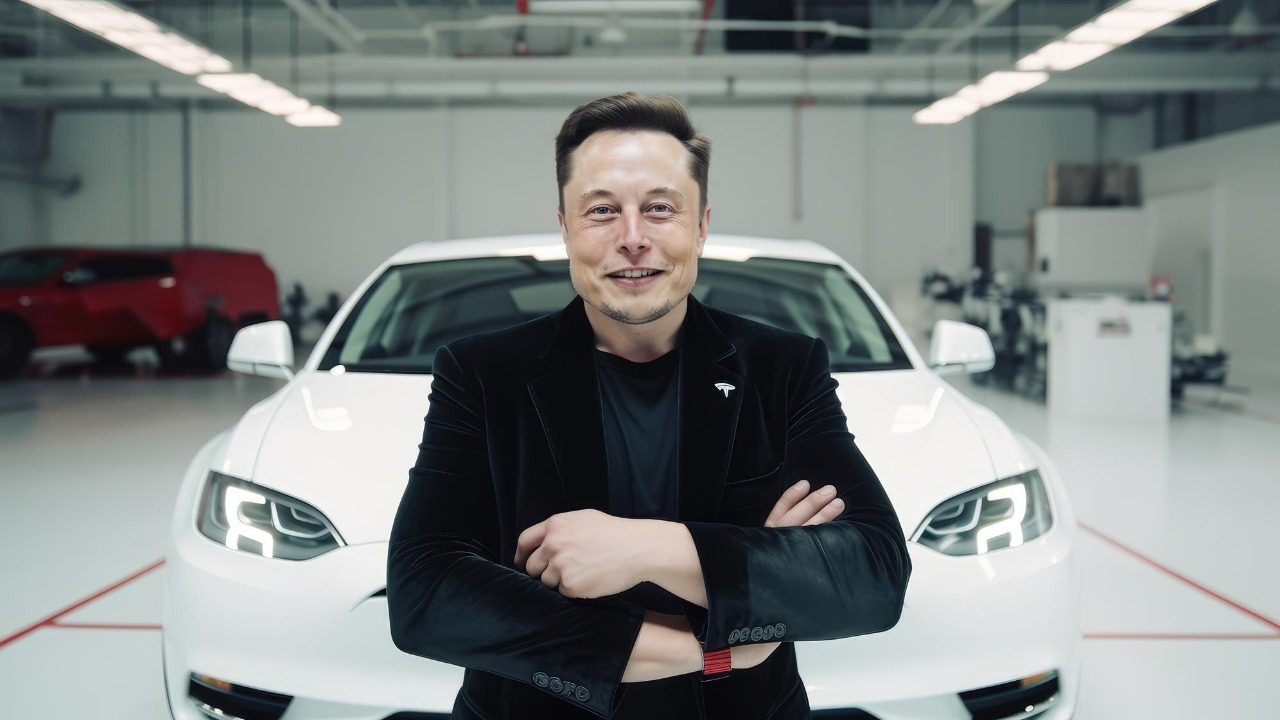
The concept of Musk distributing his wealth could inspire other billionaires to consider similar actions. While the immediate impact may be limited, such gestures could foster a culture of increased responsibility among the ultra-wealthy, potentially leading to more equitable economic systems. Speculatively, this could pave the way for societal shifts toward greater equality, albeit with new challenges and considerations.
Reflecting on the sustainability and ethics of wealth concentration and distribution, one must grapple with questions of fairness and justice. As society continues to evolve, the balance between individual success and collective prosperity remains a crucial consideration, prompting ongoing dialogue about the future of wealth and its role in shaping our world.

Cole Whitaker focuses on the fundamentals of money management, helping readers make smarter decisions around income, spending, saving, and long-term financial stability. His writing emphasizes clarity, discipline, and practical systems that work in real life. At The Daily Overview, Cole breaks down personal finance topics into straightforward guidance readers can apply immediately.

