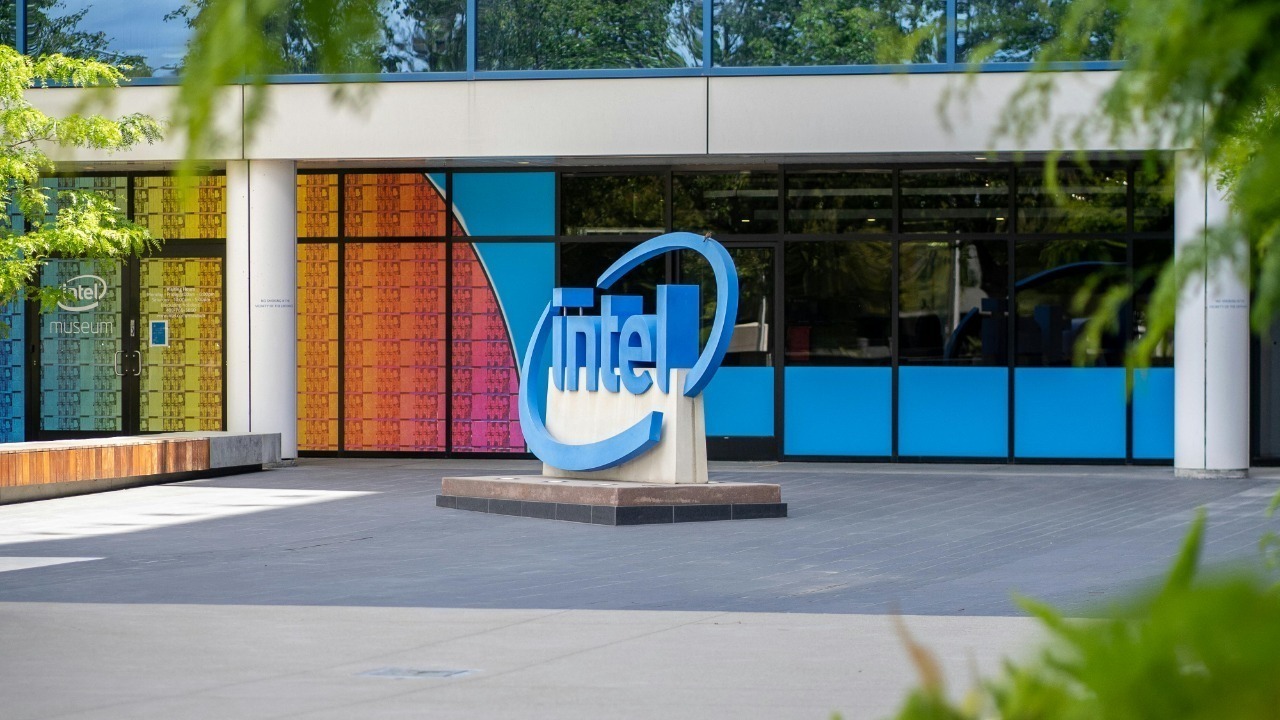
Intel’s decision to cut 3,100 jobs in Oregon marks one of the most severe corporate shakeups the state’s tech sector has seen in years, hitting the heart of its semiconductor workforce. I see the move as more than a single company’s belt-tightening, it is a blunt signal about how brutally the global chip race is reshaping local economies and long-standing employer-worker relationships.
As Intel pares back in its largest U.S. hub, the layoffs are colliding with ambitious federal subsidies, state-level incentives, and a fragile regional housing and labor market. The result is a jarring disconnect between the promise of a manufacturing renaissance and the immediate reality for thousands of engineers, technicians, and contractors suddenly facing an uncertain future.
How Intel’s Oregon cuts fit into a global reset
Intel’s Oregon layoffs are part of a sweeping restructuring that is rippling across its global operations, not an isolated cost-cutting move aimed only at one campus. The company has been under intense pressure to reverse years of market-share losses in data center and PC chips while simultaneously pouring tens of billions of dollars into new fabrication plants and advanced process technology, a dual mandate that has forced executives to look aggressively for savings in headcount and overhead. In that context, trimming 3,100 positions in Oregon aligns with a broader effort to streamline legacy operations and shift resources toward newer fabs and contract manufacturing work validated by global layoff disclosures.
I read the Oregon cuts as a geographic rebalancing as much as a financial one, reflecting where Intel believes its next decade of growth will actually occur. The company has been expanding or planning major facilities in locations such as Ohio, Arizona, and Europe, backed by large public subsidies and long-term supply commitments from cloud providers and governments, while Oregon’s older fabs and support operations face tougher scrutiny on cost and strategic fit. Reporting on Intel’s capital plans and its multibillion-dollar subsidy agreements shows how the firm is pivoting investment toward these newer hubs, even as it trims staff in established centers like Hillsboro to keep its overall spending in line with revenue and margin targets documented in recent restructuring reports.
Why Oregon is absorbing such a heavy blow
Oregon is taking a disproportionate hit in this restructuring because of how deeply Intel is woven into the state’s tech economy and how concentrated its local footprint has become over decades. The company is the state’s largest private employer, with tens of thousands of workers spread across campuses in Hillsboro and surrounding communities, so a 3,100-job reduction immediately translates into a sizable share of the region’s high-wage tech positions disappearing at once. Local filings and state workforce notices show that the cuts span manufacturing, engineering, and support roles, underscoring that this is not a narrow trimming of contractors but a broad downsizing of Intel’s Oregon presence as described in state-level layoff notices.
I also see Oregon’s exposure as a function of timing and policy. While the state has long courted Intel with tax breaks and infrastructure support, newer subsidy packages tied to the federal CHIPS and Science Act have steered some of the company’s most ambitious expansion plans toward other states that moved faster or offered richer incentives. That shift leaves Oregon hosting a large base of mature facilities and support operations that are easier to cut when executives look for near-term savings, a pattern that becomes clear when comparing the Oregon reductions with Intel’s ongoing build-out of new fabs in other regions documented in company restructuring coverage and regional economic analysis.
The human and local economic fallout
The immediate human impact of Intel’s Oregon layoffs is stark, because these are not entry-level retail jobs but highly specialized positions that anchor household incomes and local spending. Engineers, technicians, and corporate staff who built careers around Intel’s presence in Washington County now face a job market that, while still tech-heavy, cannot instantly absorb thousands of similar profiles at comparable pay. Local reporting has detailed how affected workers are weighing whether to relocate to other Intel sites, pivot to smaller chip and equipment firms in the region, or leave the semiconductor industry altogether, a set of choices that illustrates how disruptive a single employer’s decision can be for individual career paths as described in worker impact coverage.
The broader regional economy will feel the shock in slower motion, as the loss of 3,100 high-paying jobs filters through housing, services, and local tax bases. Fewer Intel paychecks mean less spending at restaurants in Hillsboro, fewer buyers for new homes in Washington County, and more pressure on school districts and municipal budgets that have grown accustomed to Intel-driven property and income tax flows. Economists quoted in regional analyses have warned that while the Portland-area tech ecosystem is more diversified than it was during earlier semiconductor downturns, Intel’s outsized role still means these cuts will weigh on growth, especially if displaced workers struggle to find equivalent roles quickly, a concern backed by local economic projections.
CHIPS Act ambitions collide with on-the-ground cuts
What makes these layoffs particularly jarring is how sharply they contrast with the national narrative of a semiconductor manufacturing revival fueled by the CHIPS and Science Act. Federal officials have touted tens of billions of dollars in grants and tax credits aimed at reshoring chip production, and Intel has been one of the largest expected beneficiaries, with headline-grabbing commitments for new fabs and research centers. Yet in Oregon, where Intel has long been a symbol of U.S. chip leadership, the immediate reality is job losses and uncertainty, a disconnect that becomes evident when comparing the scale of the Oregon cuts with the company’s parallel pursuit of CHIPS-backed projects in other states documented in federal subsidy reporting.
I interpret this tension as a reminder that industrial policy can steer where new plants are built but cannot fully shield existing hubs from corporate restructuring. Intel’s leadership has made clear that it must restore profitability and competitiveness in advanced nodes to justify the massive capital outlays that CHIPS incentives are helping to unlock, and that means trimming costs in legacy operations even as it hires in new locations. For Oregon, the risk is that it ends up on the wrong side of that trade, watching subsidized growth occur elsewhere while absorbing the brunt of near-term cuts, a scenario that state officials and business groups are now scrambling to counter through their own incentive packages and workforce programs referenced in state response coverage.
What comes next for Oregon’s tech future
Looking ahead, I see two parallel questions for Oregon: how quickly the region can help displaced Intel workers land on their feet, and whether it can reposition itself in the next phase of the semiconductor boom. On the workforce side, state agencies, community colleges, and local universities are already under pressure to expand retraining and upskilling programs that can translate Intel experience into roles at other chipmakers, equipment suppliers, and adjacent industries like power electronics and advanced manufacturing. Reports on the layoffs note that regional leaders are exploring targeted support for affected employees, from job fairs to specialized training tracks, to prevent a permanent loss of high-end technical talent from the state, efforts described in workforce planning coverage.
The longer-term challenge is strategic: Oregon must decide whether to double down on being a core manufacturing base for companies like Intel or to diversify more aggressively into design, software, and emerging fields such as AI hardware startups and semiconductor tooling. The state still offers deep engineering talent, existing fab infrastructure, and a cluster of suppliers that could support new investment if policymakers can craft competitive incentives and a clear vision that aligns with where global chip demand is heading. How Intel ultimately reshapes its Oregon footprint, and whether other players step in to fill any gaps, will determine whether this round of 3,100 job cuts becomes a painful but temporary setback or the start of a more permanent shift in the state’s role in the semiconductor value chain, a debate already emerging in regional strategy discussions.
More From TheDailyOverview
- Dave Ramsey says these two simple questions show whether you’re rich or poor
- Retired But Want To Work? Try These 18 Jobs for Seniors That Pay Weekly
- IRS raises capital gains thresholds for 2026 and what’s new
- 12 ways to make $5,000 fast that actually work

Grant Mercer covers market dynamics, business trends, and the economic forces driving growth across industries. His analysis connects macro movements with real-world implications for investors, entrepreneurs, and professionals. Through his work at The Daily Overview, Grant helps readers understand how markets function and where opportunities may emerge.

