
In a world reeling from economic challenges and post-pandemic uncertainties, financial expert Jim Rickards warns of an impending “New Great Depression.” Drawing from historical insights and present-day analysis, Rickards advises individuals to brace for unprecedented financial upheaval. This piece delves into Rickards’ predictions and offers a roadmap for navigating the turbulent times ahead.
The Warning Signs
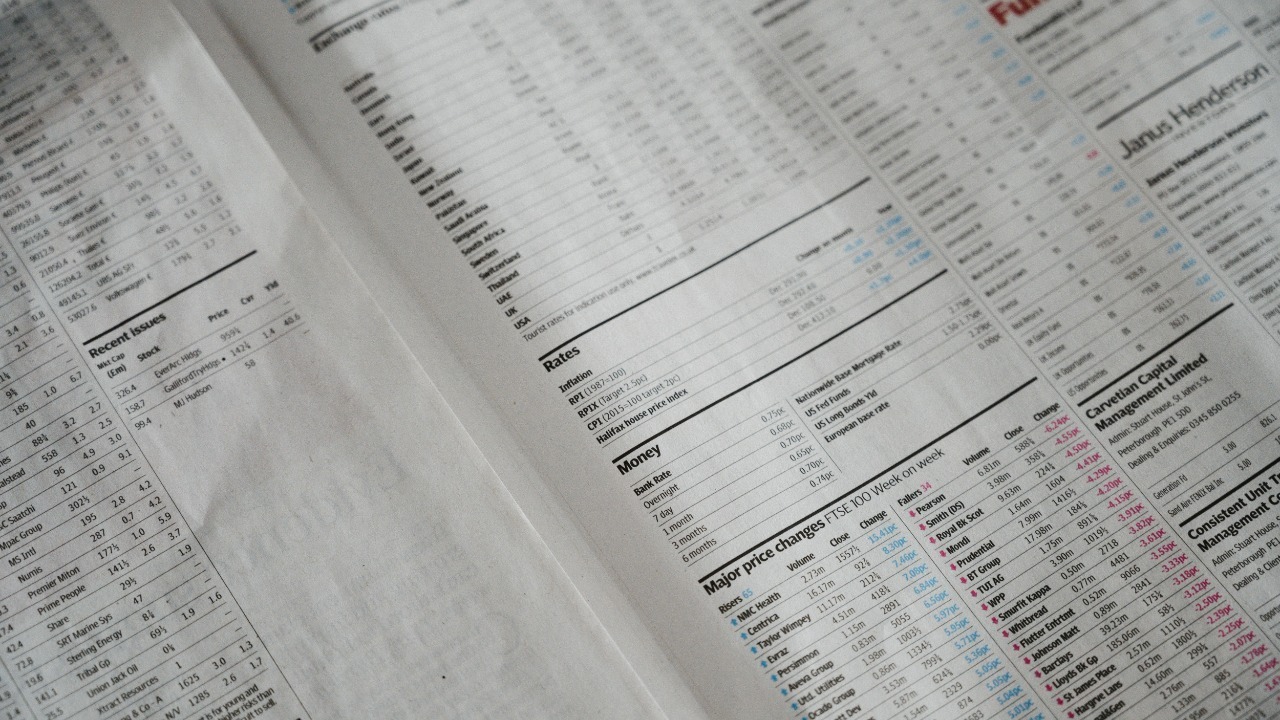
The current economic landscape is littered with warning signs that suggest a financial crisis may be on the horizon. Inflation rates are climbing at an alarming pace in many countries, and unemployment rates, while showing some improvement, remain problematic. The global supply chain disruptions caused by the pandemic have only exacerbated these issues. A key economic indicator to watch is the yield curve, which has shown signs of inversion—a historical precursor to recessions. Additionally, consumer confidence indexes are waning, indicating that the average person is wary of future economic stability.
Looking back at history, there are unsettling parallels between today’s economic conditions and those preceding past depressions. The economic turmoil of the 1930s, for instance, was marked by similar indicators: rising debt levels, rapid inflation, and significant stock market volatility. The Great Recession of 2008 also shared these characteristics, with housing market collapses and banking failures that shook the global economy. As Rickards points out, understanding these historical patterns is crucial for predicting potential outcomes and preparing accordingly.
While Rickards’ predictions have garnered significant attention, opinions vary among experts. Some economists echo his warnings, citing similar concerns about debt levels and market instability. Others argue that today’s global economy is more resilient, with tools and safeguards in place to prevent another depression. For instance, central banks now have more sophisticated mechanisms for controlling inflation and stabilizing markets. However, the debate continues, underscoring the importance of staying informed and prepared.
The Role of Government and Policy

Monetary policy plays a crucial role in shaping economic outcomes, and central banks worldwide are currently navigating challenging waters. The Federal Reserve, for instance, has been adjusting interest rates in an attempt to curb inflation without stifling economic growth. These actions have significant ripple effects, influencing borrowing costs, consumer spending, and ultimately, economic stability. Rickards emphasizes that missteps in monetary policy could exacerbate economic downturns, making it essential to scrutinize these decisions closely.
Fiscal policy is another critical component, as government spending can either stabilize or destabilize an economy. In recent years, the United States has seen unprecedented levels of government spending, driven by pandemic relief efforts and infrastructure investments. While these initiatives aim to stimulate growth, they also contribute to mounting national debt, which poses long-term challenges for economic stability. Policymakers must balance short-term economic support with sustainable fiscal practices to avoid exacerbating economic vulnerabilities.
Regulatory changes also play an essential role in shaping economic environments. As governments strive to address financial stability and consumer protection, new regulations could impact businesses and individuals alike. For example, increased regulation in the tech sector may alter market dynamics, influencing investment strategies and business operations. Navigating these changes requires a keen understanding of potential implications and a proactive approach to adaptation.
Strategies for Individuals and Investors
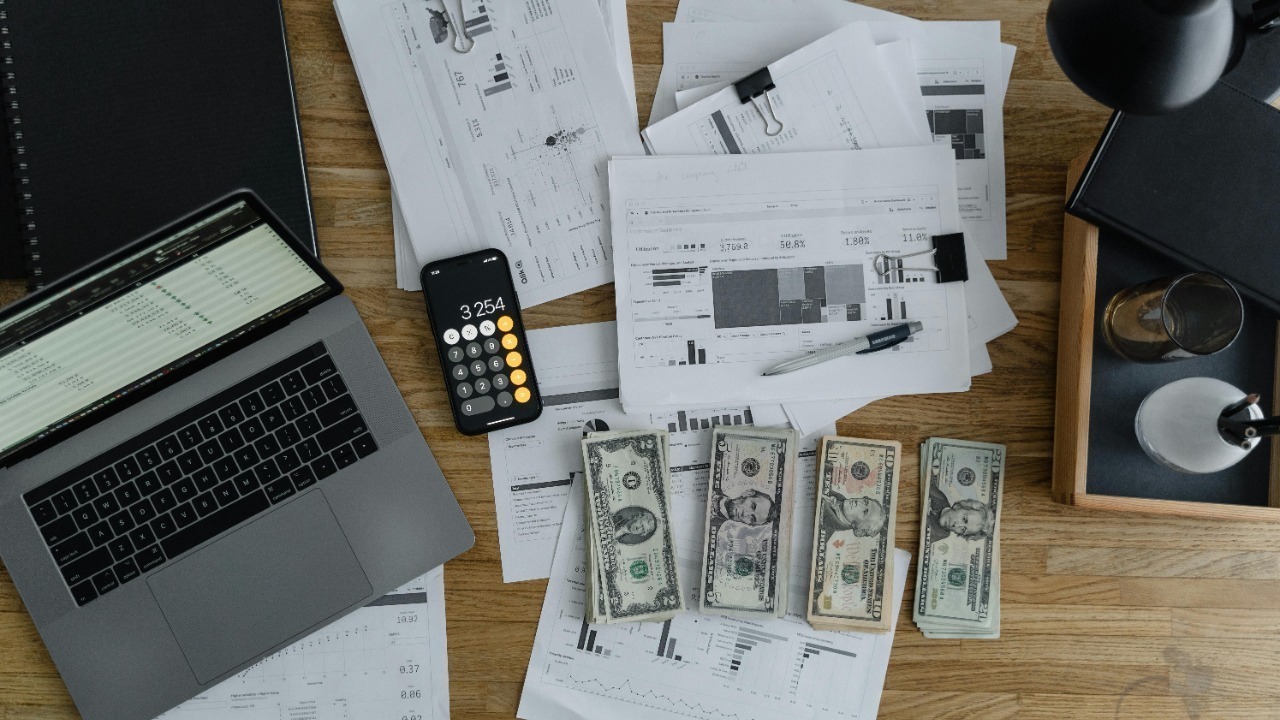
In times of economic uncertainty, diversification becomes a crucial strategy for protecting one’s financial future. By spreading investments across various asset classes, individuals can mitigate risks and enhance the resilience of their portfolios. Stocks, bonds, and international assets each offer unique benefits and challenges, and a balanced approach can help weather economic storms. As Rickards suggests, diversification is not just a strategy but a necessity in today’s volatile climate.
Identifying safe haven assets is another essential tactic for preserving wealth during economic downturns. Traditionally, assets like gold and real estate have been considered reliable options, offering stability when markets become unpredictable. Investing in physical commodities or property can provide a hedge against inflation and currency fluctuations. As geopolitical tensions and economic uncertainties persist, these assets remain attractive to cautious investors.
For individuals, maintaining strong personal finances is equally important. Practical advice includes creating a robust budget, reducing unnecessary expenditures, and managing debt effectively. Building an emergency fund can provide a financial cushion in case of unexpected expenses or job loss. By taking proactive steps to safeguard their finances, individuals can enhance their resilience and navigate uncertain times with greater confidence.
The Global Perspective

Global economic trends are integral to understanding the potential impact of a new depression. Emerging markets, for instance, face unique challenges as they contend with debt burdens, inflation, and currency fluctuations. A slowdown in one region can have cascading effects, influencing trade balances and economic growth worldwide. Monitoring these trends helps provide a comprehensive picture of the global economic landscape and potential areas of concern.
Trade and geopolitical factors also play a significant role in shaping economic outcomes. Tensions between major economies, such as the ongoing trade disputes between the United States and China, can lead to market volatility and supply chain disruptions. Additionally, geopolitical events, such as conflicts or political instability, can further complicate economic relationships and exacerbate financial uncertainties. Staying informed about these dynamics is critical for anticipating potential risks and opportunities.
Lessons from other nations can offer valuable insights into preparing for and responding to economic challenges. Countries like Japan have faced prolonged economic stagnation and deflation, offering cautionary tales and lessons for policymakers worldwide. By examining their experiences, other nations can develop strategies to address similar challenges and foster more resilient economies.
Preparing for the Future

Technological disruptions are reshaping economic landscapes at an unprecedented pace. Innovations in artificial intelligence, automation, and digital finance are transforming industries and creating new opportunities and challenges. As these technologies evolve, they have the potential to drive economic growth, enhance productivity, and create new markets. However, they also pose risks, such as job displacement and increased economic inequality, which must be addressed to ensure a sustainable future.
Adapting to change is crucial for businesses and individuals alike. Companies must embrace innovation and agility to remain competitive in a rapidly evolving marketplace. This may involve reevaluating business models, investing in workforce development, and leveraging technology to enhance efficiency and customer engagement. For individuals, continuous learning and skill development are essential to staying relevant in the job market and capitalizing on emerging opportunities.
Looking beyond immediate challenges, a long-term vision is essential for achieving sustainable growth. This involves not only addressing current economic vulnerabilities but also fostering resilience and adaptability. By prioritizing sustainable practices, investing in education, and promoting inclusive growth, societies can build a foundation for long-term prosperity. As Jim Rickards suggests, preparing for the future requires foresight, adaptability, and a commitment to navigating uncertainty with confidence.

Grant Mercer covers market dynamics, business trends, and the economic forces driving growth across industries. His analysis connects macro movements with real-world implications for investors, entrepreneurs, and professionals. Through his work at The Daily Overview, Grant helps readers understand how markets function and where opportunities may emerge.

